Operational Context
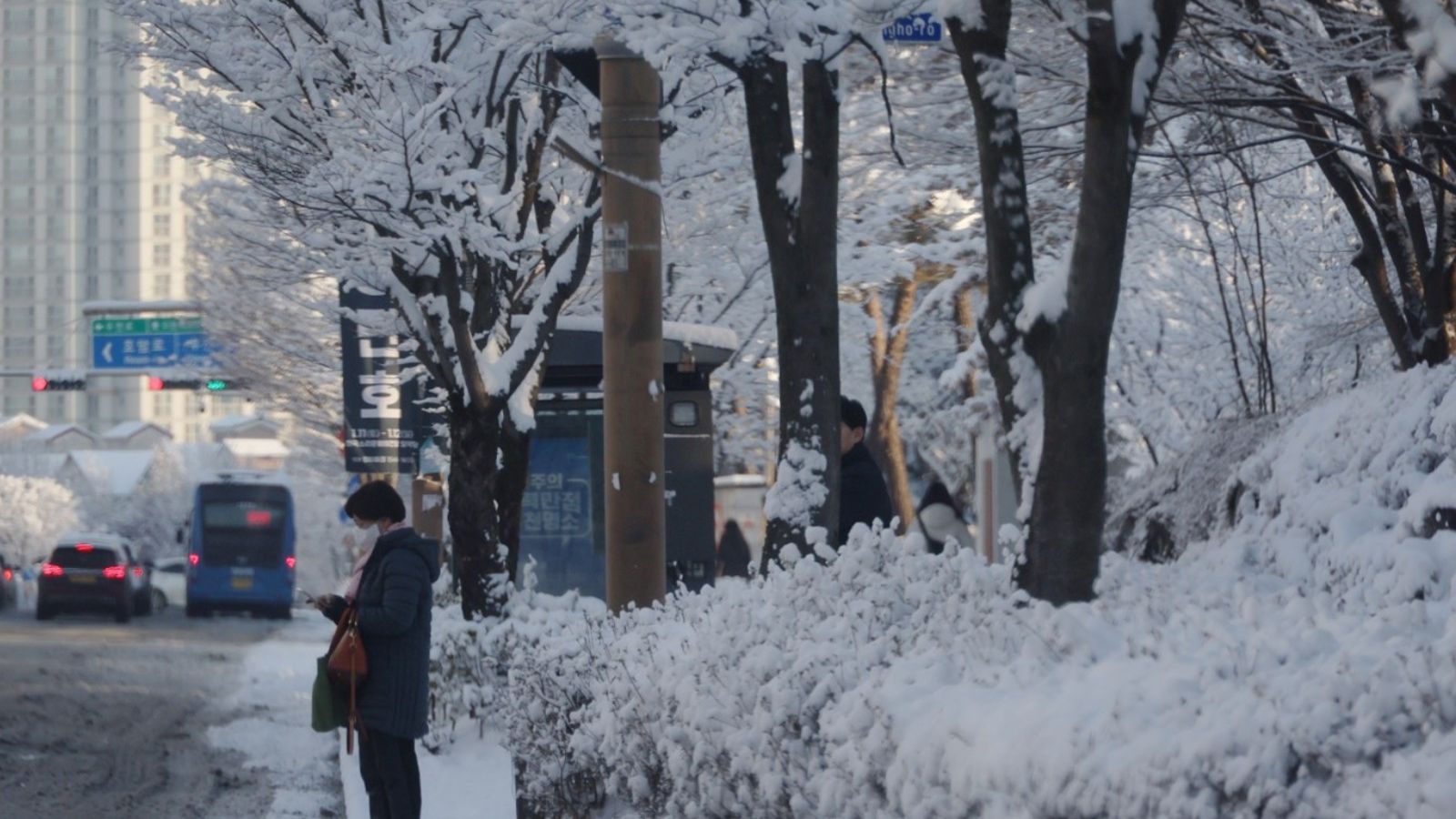
South Korea experiences recurring cold-wave events during January, often driven by continental cold surges affecting the peninsula for several consecutive days. These events historically strain urban mobility, utilities, and workforce availability, particularly in the Seoul metropolitan area and northeastern provinces. Repeated Korea Meteorological Administration (KMA) advisories this month indicate heightened vulnerability, making early operational readiness critical for organisations with outdoor staff, logistics exposure, or temperature-sensitive assets.
Executive Summary
- Event Date: 31 January
- Location: South Korea
- Risk Category: Environment
- Severity Level: 3 / 5
- Confidence Score: 75 %
A cold-wave warning issued by the KMA indicates widespread below-normal temperatures across South Korea, with the coldest conditions expected during the first 72 hours. Impacts are assessed as moderate, including increased risk of hypothermia, icy road conditions, transport delays, and localized utility strain. Confidence is medium-high due to repeated advisories and consistent historical impacts observed during January cold-wave episodes.
Known Hotspots & Sensitive Zones
- High-impact zones: Seoul metropolitan region, elevated expressway sections along the Gyeongbu Expressway, Olympic-daero commuter corridors, and mountain routes in Gangwon Province.
- Medium-impact areas: Incheon International Airport access routes and regional freight corridors such as the Yeongdong and Seohaean expressways.
- Low-impact areas: Southern coastal regions with milder winter exposure.
Cold-wave events in these areas show strong seasonal recurrence each January, often triggering municipal cold-response measures.
Impact on Transportation & Services
Road transport faces heightened risk from black ice, particularly on bridges, elevated ramps, and mountain passes, leading to commuter delays and slower freight movement. Rail and metro systems are expected to operate with cautionary speed reductions, while air transport may experience de-icing delays at Incheon and Gimpo airports. Business operations reliant on outdoor labour, just-in-time logistics, or expressway access may see short-term productivity losses, while digital and communications services are likely to remain stable.
Recommended Action
- Organisations should activate cold-weather response protocols, winterise facilities and fleet assets, and implement remote or flexible work arrangements where feasible.
- Priority should be given to staff safety through cold-weather PPE, reduced outdoor exposure, and access to warmed rest areas.
- Coordination with local authorities, monitoring of KMA advisories, and proactive communication with customers and suppliers are advised to manage expectations and reduce operational friction.
Multi-Dimensional Impact
The cold wave may complicate concurrent biosecurity operations and increase crowding in indoor spaces such as warming centres, elevating secondary public-health risks. Political or civic gatherings could experience altered attendance patterns, shifting transport demand and crowd-management requirements.
Emergency Contacts
- KMA weather alerts: kma.go.kr/neng/
- Emergency Number: 119
Situational Outlook
The most likely outlook is a two to three-day period of intense cold with localized ice-related disruptions, followed by gradual moderation. A moderate escalation remains possible if low temperatures persist beyond five days or are accompanied by snow or freezing rain, extending transport and utility impacts. Severe escalation involving prolonged closures and widespread utility failures is assessed as lower probability but warrants monitoring.
Strategic Takeaway
Overall risk remains moderate but operationally significant, particularly for safety, mobility, and supply chains. Businesses and policymakers should maintain heightened winter preparedness, focusing on early warnings, workforce protection, and infrastructure resilience. Continuous monitoring and intelligence platforms such as MitKat’s Datasurfr can support timely decisions and mitigate cascading impacts during recurring cold-wave events. Stay ahead of operational risks with real-time alerts, scenario modeling, and expert advisories with datasurfr’s Predict. Start your 14-day free trial of Datasurfr’s Risk Intelligence Platform today.