Operational Context
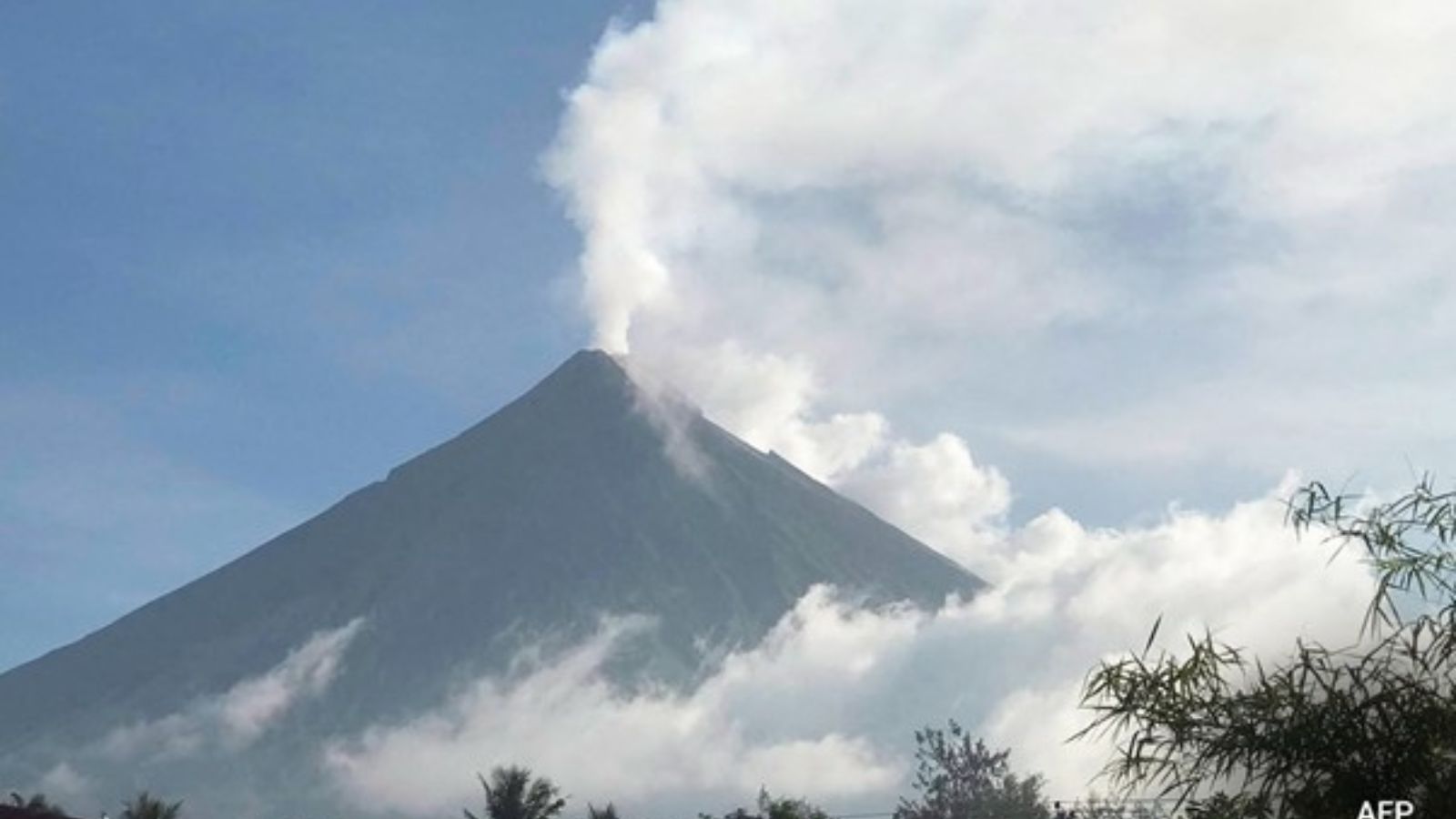
Mayon Volcano is one of the most active volcanoes in the Philippines and a recurring source of natural disaster risk for Albay province. Communities, tourism assets, transport corridors and utilities operate in close proximity to the volcano, making even moderate unrest operationally significant. Alert Level Two reflects abnormal activity above baseline, requiring restricted access, heightened monitoring and contingency planning. Historical patterns show that transitions from Alert Level Two to higher alert levels can occur within days, underscoring the importance of preparedness for rapid escalation.
Executive Summary
- Event Date: 02 January
- Location: Mayon Volcano, Albay, Philippines
- Risk Category: Natural Disasters
- Severity Level: 3/ 5
- Confidence Score: 70 %
PHIVOLCS raised Alert Level Two for Mayon Volcano on 02 January 2026, citing increased seismicity and ongoing surface activity, including lava effusion and rockfalls. The risk level is assessed as moderate, with hazards currently confined to proximal slopes and drainage channels. While a major explosive eruption is not imminent, the probability of rapid escalation remains, necessitating strict enforcement of exclusion zones and readiness for evacuation and operational disruption.
Current Updates
PHIVOLCS bulletins confirm sustained unrest at Mayon, with continued reminders for the public to avoid the permanent six-kilometre danger zone and river channels draining the volcano. No large-scale evacuations, widespread ashfall or aviation disruptions have been reported as of the latest advisory. Local government units remain on heightened alert, with contingency plans and response assets on standby.
Known Hotspots & Sensitive Zones
- High-impact zones: The permanent six-kilometre danger zone encompassing barangays in Camalig, Guinobatan, Daraga, Legazpi, Santo Domingo and Tabaco, as well as volcanic drainages prone to rockfalls and lahars.
- Medium-impact areas: Areas immediately outside the exclusion zone, including tourism sites such as Cagsawa Ruins and Ligñon Hill, and transport corridors skirting the volcano.
- Low-impact areas: Broader Albay province areas not directly downwind or connected to volcanic drainages.
Mayon exhibits recurrent unrest cycles, particularly during periods of sustained magma intrusion, with seasonal rainfall increasing lahar risk.
Impact on Transportation & Services
Road mobility may be intermittently restricted near the danger zone due to checkpoints and visibility issues from ash. Provincial bus routes and freight movement could face delays if access roads are closed. Air services at Bicol International Airport have historically been affected during ash events, though no disruptions are reported currently. Business operations, particularly tourism, agriculture and local services, may experience reduced activity and workforce availability.
Recommended Action
- Organizations should activate volcano response and business continuity plans, identify staff and assets within hazard zones and prepare for rapid transition to remote operations or relocation if alerts escalate.
- Coordination with PHIVOLCS, local disaster risk reduction offices and law enforcement is essential.
- Strategic measures include diversifying supply routes, protecting equipment from ash ingress and conducting regular staff briefings on evacuation triggers and safety protocols.
Multi-Dimensional Impact
No unrelated events have been identified; however, misinformation and precautionary travel avoidance can indirectly affect tourism and local commerce beyond directly impacted areas.
Emergency Contacts
- PHIVOLCS Volcano Monitoring and Advisories: phivolcs.dost.gov.ph/
- Emergency hotlines: 911
Situational Outlook
The most likely scenario over the next one to two weeks is continued Alert Level Two activity with intermittent lava effusion, rockfalls and minor ash emissions contained within established danger zones. A moderate escalation remains possible if seismicity and gas emissions increase, while a severe explosive transition, though less likely, cannot be ruled out given Mayon’s eruptive history.
Strategic Takeaway
Mayon Volcano’s Alert Level Two status represents a manageable but dynamic natural hazard with localized yet potentially severe consequences. Continuous monitoring, disciplined exclusion-zone enforcement and proactive continuity planning are critical. Early-warning and risk intelligence tools such as MitKat’s Datasurfr can support timely decisions and resilience for organizations operating in volcanically active regions.
Stay ahead of operational risks with real-time alerts, scenario modeling, and expert advisories with datasurfr’s Predict. Start your 14-day free trial of Datasurfr’s Risk Intelligence Platform today.