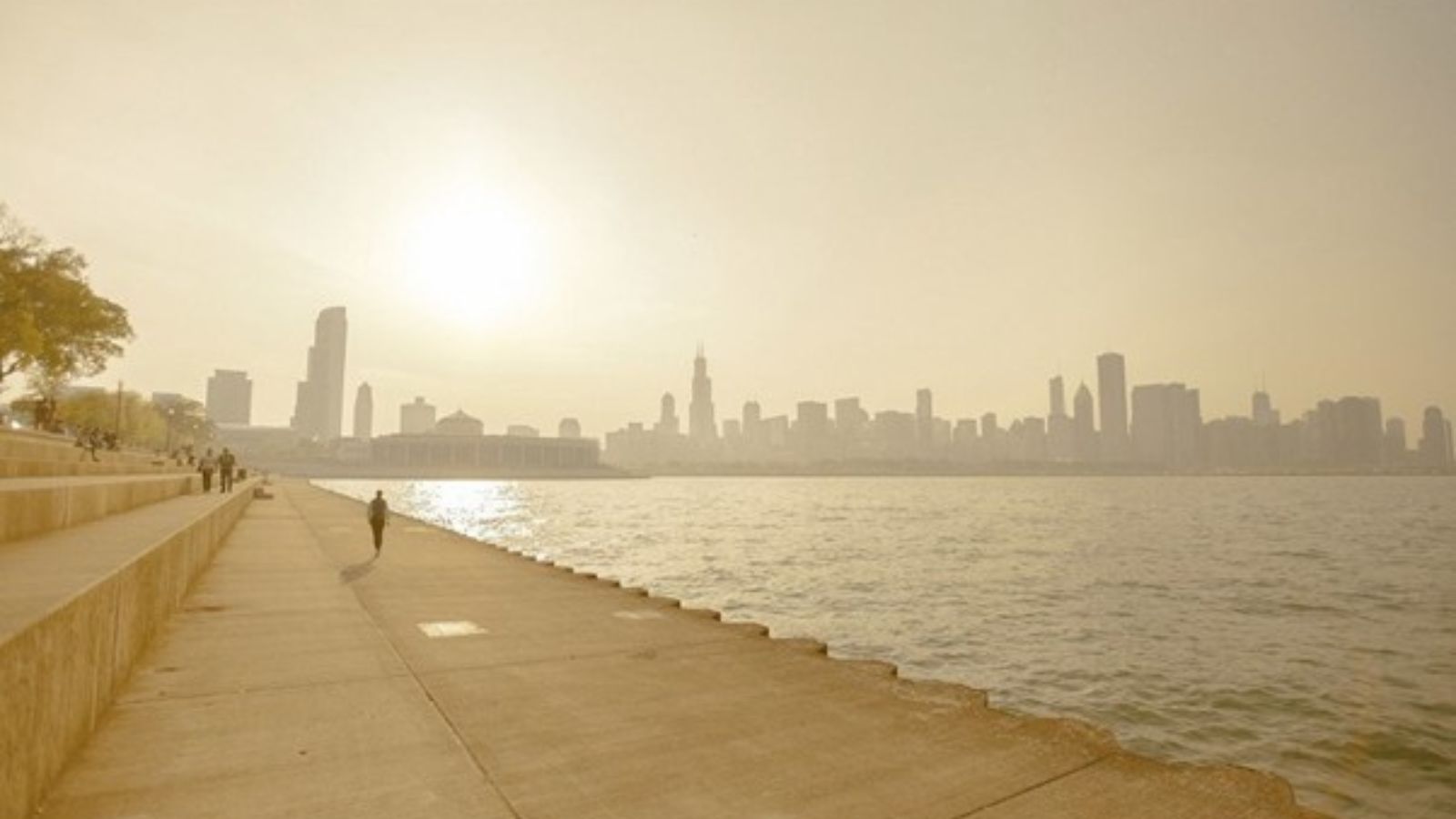
Executive Summary for the Heatwave and Thunderstorms in Chicago
Meteorological forecasts indicate a combination of extreme heat conditions and severe thunderstorms affecting Chicago from 09–11 March. The event is likely to produce damaging wind gusts, lightning, hail, and localized heavy rainfall, increasing the risk of power outages and transportation disruptions. The convergence of heat stress and severe weather may affect commuter mobility, airport operations, and essential services across the metropolitan area.
- Event Date: 09-11 March
- Location: Chicago, Illinois, United States
- Risk Category: Natural Disasters
- Severity Level: 4 / 5
- Confidence Score: 70 %
Operational Context
Forecast models indicate that the Chicago metropolitan area will experience a brief period of anomalous heat followed by severe convective thunderstorms between 09 March and 11 March. The most hazardous conditions are expected during late afternoon and evening hours when atmospheric instability, wind shear, and a strong temperature gradient may trigger fast-moving storm systems. Historical severe weather events in the Midwest demonstrate that such heat-driven convective setups frequently produce damaging straight-line winds, large hail, intense lightning, and short bursts of heavy rainfall. Urban areas with dense infrastructure, such as Chicago, are particularly vulnerable to localized power outages, traffic incidents, and disruptions to air and rail operations during these events. The combination of elevated daytime temperatures and storm activity may also increase health risks for vulnerable populations.
Known Hotspots & Sensitive Zones
High-impact zones:
- Chicago Loop commercial district
- O’Hare International Airport and Midway Airport operations areas
- Lakefront transport corridors including Lake Shore Drive
Medium-impact areas:
- Interstate corridors such as I-90/I-94 and surrounding downtown arterials
- Major hospitals and emergency facilities including Northwestern Memorial Hospital and the University of Chicago Medical Center
Low-impact areas:
- Peripheral suburban districts with lower traffic density
Severe thunderstorms in Chicago commonly affect lakefront corridors and major expressways where wind exposure and heavy traffic increase disruption risk.
Impact on Transportation & Services
Severe thunderstorms and high winds may disrupt road, rail, and air transportation across Chicago. Temporary slowdowns or closures may occur along Lake Shore Drive and major interstate corridors during intense storm cells. Air travel operations at O’Hare and Midway airports may experience flight delays, ground stops, or cancellations due to lightning and strong winds. Urban rail systems and commuter services may operate under reduced speeds or temporary suspensions where flooding, debris, or power issues occur. Businesses may experience short-term operational interruptions due to staff commuting delays and localized power outages, while logistics networks could face delays in last-mile deliveries and freight movement.
Recommended Action
- Organizations should activate severe weather preparedness measures for the Chicago region between 09–11 March.
- Employers should encourage remote work arrangements where possible and limit outdoor operations during peak heat or lightning conditions.
- Facilities managers should secure outdoor assets, test backup generators, and ensure that cooling systems and emergency power infrastructure are operational.
- Businesses should monitor real-time weather alerts issued by the National Weather Service and maintain communication with local emergency management authorities such as the Chicago Office of Emergency Management and Communications.
- In the longer term, organizations should integrate severe weather and heatwave contingency planning into risk management frameworks to improve resilience during similar climate-driven disruptions.
Multi-Dimensional Impact
Increased road congestion and commuter delays may coincide with routine city activities, intensifying pressure on transport systems and emergency services during peak storm periods.
Emergency Contacts
- Emergency Number: 911
- Chicago Office of Emergency Management and Communications (OEMC): chicago.gov/city/en/depts/oem/provdrs/emerg_mang.html
- National Weather Service: weather.gov/
Situational Outlook
Over the next several days, the most probable scenario involves daytime heat followed by late afternoon and evening thunderstorms capable of producing localized wind damage, lightning, and temporary power outages across Chicago. Transportation disruptions are likely to occur intermittently during peak storm periods, particularly along major expressways and at key aviation hubs. A moderate escalation scenario could involve a stronger organized storm system producing widespread damaging winds, extended airport delays, and multi-hour utility outages affecting several districts. A less likely but more severe scenario would involve embedded tornado activity or prolonged infrastructure damage, leading to extended transportation disruption and localized emergency response operations across the metropolitan area.
Strategic Takeaway
The forecast combination of severe thunderstorms and elevated temperatures presents a short-duration but high-impact weather risk for Chicago. Although the event window is limited to several days, the potential for damaging winds, lightning, and power outages may disrupt transportation systems and business operations. Organizations should remain alert to evolving weather advisories and prioritize workforce safety and operational continuity. Stay ahead of operational risks with real-time alerts, scenario modeling and expert advisories with datasurfr’s Predict. Start your 14-day free trial of Datasurfr’s Risk Intelligence Platform today.