Operational Context
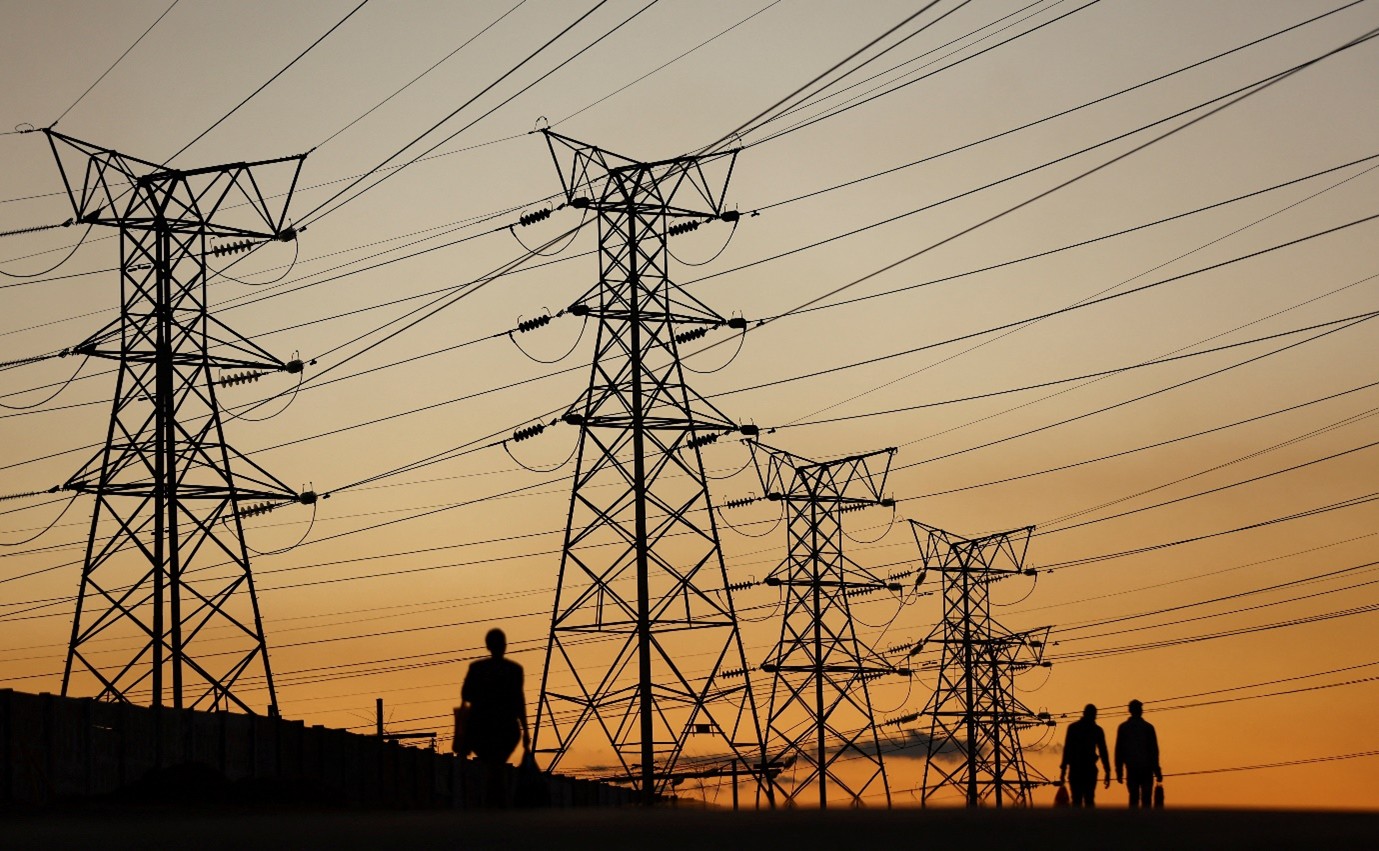
Eskom has planned a 12-hour power outage affecting the Ga-Rangkuwa area in Gauteng from 12-13 November. Critical infrastructure risks involve the disruption or degradation of essential utilities, such as power, water, and communications, that sustain economic and social systems. In this case, the planned outage by Eskom underscores the vulnerability of interconnected networks, where even scheduled maintenance can cause broad operational consequences.
Gauteng, South Africa’s economic hub, has experienced repeated infrastructure stress events, ranging from load-shedding to grid maintenance shutdowns, highlighting the region’s reliance on uninterrupted energy supply. Understanding these patterns enables organizations to mitigate cascading operational, financial, and safety risks.
Executive Summary
- Event Date: 12–13 November 2025
- Location: Ga-Rankuwa, Gauteng, South Africa
- Risk Category: Critical Infrastructure
- Severity Level: 3 / 5
- Confidence Score: 95 %
Eskom has announced a scheduled 12-hour power outage in Ga-Rankuwa, Gauteng. The planned maintenance aims to reinforce infrastructure reliability but will cause moderate disruptions to businesses, logistics, and public mobility. Historical trends indicate secondary impacts such as water supply interruptions, traffic congestion, and temporary network downtime. While not an emergency, the outage necessitates strong preparedness across sectors dependent on continuous electricity.
Known Hotspots & Sensitive Zones
High Impact Zones:
- Ga-Rankuwa Zones 20 and 21: The areas include dense residential clusters, small retail outlets, and local service providers dependent on electricity for day-to-day functioning.
- Local Healthcare and Educational Facilities: Community clinics, schools, and childcare centers within or adjacent to Zones 20 and 21 are expected to face service interruptions.
Medium Impact Zones:
- Surrounding Areas (Zones 18, 19, and 22): These zones could experience indirect effects such as reduced water pressure, intermittent power fluctuations, and increased traffic congestion.
Low Impact Zones:
- Peripheral Ga-Rankuwa Sectors: Areas outside the designated outage zones (e.g., Zones 7–15) are expected to remain largely unaffected, though minor voltage fluctuations or short-term load adjustments may occur due to grid balancing.
Impact on Transportation & Services
The outage will disrupt road traffic management systems, notably at major intersections along the N1, N12, and R28 highways. Extended commute times and gridlocks are expected, particularly during morning and evening peaks.
Public transport services, including buses and minibus taxis, will face operational delays. Businesses dependent on electricity, especially manufacturing, cold storage, and retail, will see reduced productivity. Telecommunications and internet networks may experience intermittent degradation if backup systems underperform.
Recommended Action
Immediate Measures:
- Test and activate backup power systems (generators, UPS) with capacity for at least 14 hours.
- Conduct data backups and ensure continuity for critical IT infrastructure.
- Inform employees, clients, and suppliers of potential service delays via multi-channel communication (SMS, email, website).
Strategic Measures:
- Stagger work schedules or enable remote work to reduce reliance on powered facilities.
- Deploy manual security protocols (e.g., guard patrols, log entries) to compensate for inactive alarms or access systems.
- Liaise with Eskom and municipal authorities for verified outage timelines and updates.
Multi-Dimensional Impact
While primarily localized, the outage may cause secondary water supply disruptions in pump-reliant suburbs and minor increases in petty crime due to inactive security systems. Prolonged generator use will contribute to short-term air pollution. Public frustration, though mild, could escalate if maintenance exceeds the scheduled duration or if secondary service failures occur.
Emergency & Monitoring Channels
- Eskom Customer Helpline: 08600 37566
- City Power Johannesburg: +27 11 490 7000
- Gauteng Provincial Disaster Management Centre: +27 83 657 2465
- Emergency Services: 10111 (Police)| 10177 (Ambulance & Fire)
- Road Traffic Updates: @TrafficSA (X, formerly Twitter)
Strategic Takeaway
The scheduled power outage across Gauteng represents a moderate but manageable infrastructure risk. With advance notice, businesses and residents can mitigate disruption through preparedness measures. However, continued recurrence of such outages highlights the broader issue of grid reliability in South Africa’s energy sector.
Organizations are encouraged to leverage real-time monitoring tools like MitKat’s Datasurfr to track outage developments, coordinate response actions, and maintain business continuity amid infrastructure-related risks. Stay ahead of operational risks with real-time alerts, scenario modeling, and expert advisories with datasurfr’s Predict. Start your 14-day free trial of Datasurfr’s Risk Intelligence Platform today.