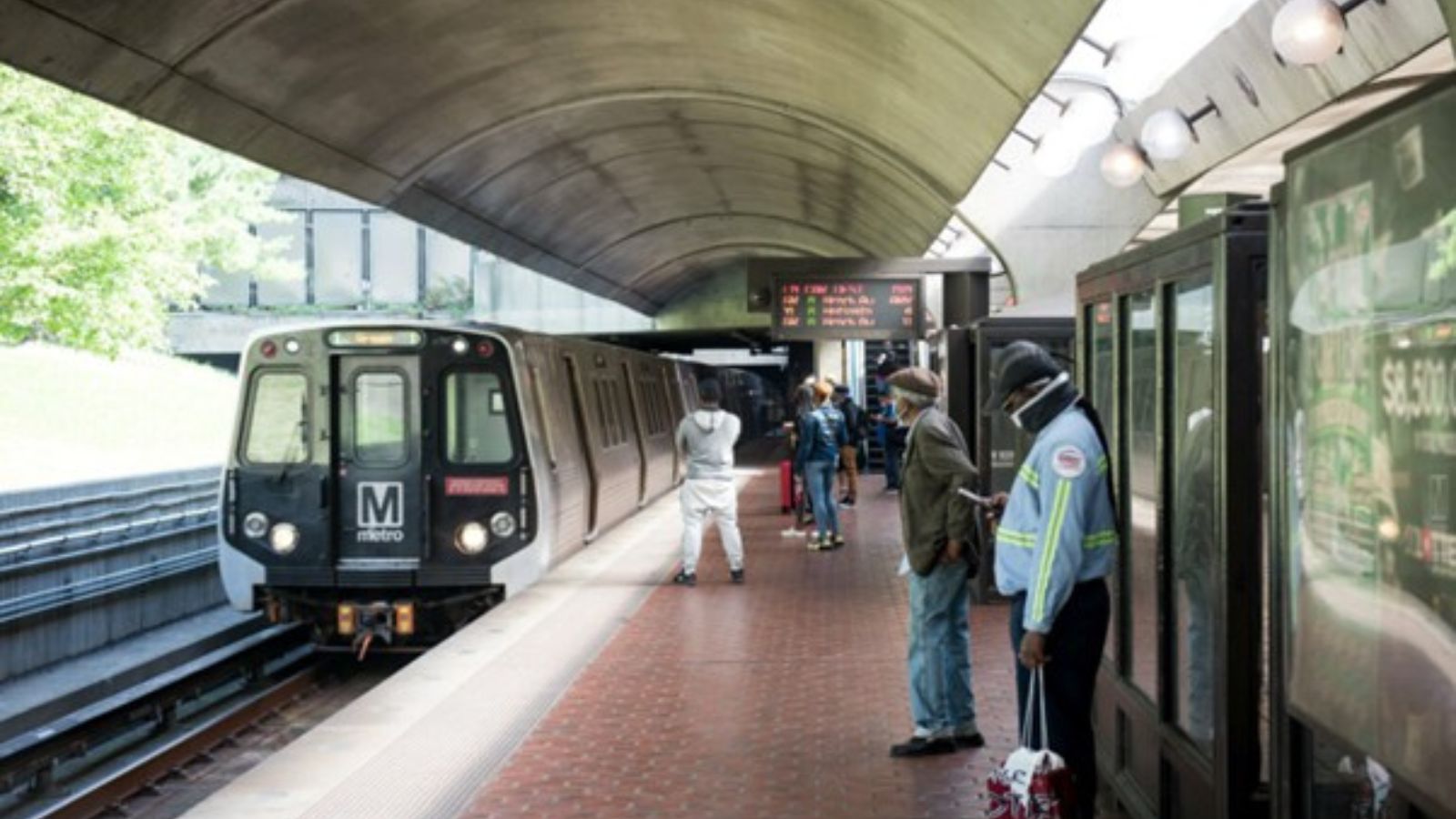
Executive Summary for the Metro Service Disruptions in Washington DC
The Washington Metropolitan Area Transit Authority (WMATA) has scheduled entrance-construction-related closures beginning 14 February, affecting Crystal City station access. Disruption is expected to last 48–72 hours, with potential minor weekday adjustments. Primary impacts include commuter delays, increased Metrobus demand, and localized traffic congestion. Severity is assessed as moderate, reflecting manageable but operationally significant mobility constraints.
- Event Date: 14 February
- Location: Washington DC, Virginia, United States
- Risk Category: Travel Risks
- Severity Level: 3 / 5
- Confidence Score: 82 %
Operational Context
The Washington Metropolitan Area Transit Authority (WMATA) routinely conducts weekend construction and maintenance works across the metro network, particularly affecting Blue, Yellow, and adjacent corridors serving Crystal City and Pentagon City. Historical weekend closures in this corridor have resulted in concentrated 48–72-hour disruption windows, typically spanning Saturday morning through early Monday operations. Such works commonly require alternate station access, bus bridges, and temporary curb side adjustments. Secondary impacts include increased congestion along I-395, Route 1, S. Hayes Street, and airport access corridors. While these events are pre-planned and publicly communicated, localized crowding, commuter delays, and surface traffic strain are recurring features, particularly when closures affect stations linked to Ronald Reagan Washington National Airport (DCA).
Known Hotspots & Sensitive Zones
- High-impact zones: Crystal City station entrances, adjacent pedestrian corridors along 18th Street South and 23rd Street South, and surface routes including S. Hayes Street and Crystal Drive. Access corridors to Ronald Reagan Washington National Airport may experience elevated passenger volumes and rerouting.
- Medium-impact areas: Pentagon City station and nearby retail and commercial districts, where diverted passenger flows may increase crowding and bus substitution demand.
- Low-impact areas: Outer metro corridors beyond the Blue/Yellow service areas, though minor delay propagation is possible.
Weekend metro closures in this corridor show recurring patterns of localized congestion and increased bus bridge operations.
Impact on Transportation & Services
Metro access restrictions will reduce station ingress and egress capacity, requiring passengers to use alternate entrances or nearby stations. Metrobus services are expected to absorb additional demand, potentially resulting in peak crowding. Surface traffic congestion may increase near curb side staging zones and bus stops. Businesses in the Crystal City and Pentagon City areas may experience reduced foot traffic and delayed employee arrivals. No direct impact to digital infrastructure is anticipated, though real-time communication and wayfinding updates will be essential to manage passenger flow.
Recommended Action
- Organizations should activate temporary commuter contingency plans, including telework options and staggered shifts.
- Communicate alternate transit routes and approved parking arrangements to employees in advance.
- Logistics teams should adjust delivery schedules to avoid peak congestion hours.
- Facilities managers should review site access procedures and secure assets during reduced staffing periods.
- Continuous monitoring of WMATA service advisories and coordination with local traffic authorities are recommended to ensure operational continuity.
Multi-Dimensional Impact
Minor curbside congestion and bus staging adjustments may affect nearby loading zones and emergency vehicle routing, though systemic public safety risks remain low.
Emergency Contacts
- Emergency Number: 911
- WMATA Customer Information Center: wmata.com/about/contact/
- DC Department of Transportation: ddot.dc.gov/
Situational Outlook
The most probable scenario involves a contained weekend disruption between 14 and 16 February, with alternate entrances and bus bridges mitigating access constraints. A moderate escalation could occur if construction reveals ancillary utility or structural issues requiring limited extension into weekday operations, increasing commuter congestion and operational delays. Severe escalation remains unlikely but would involve extended closures or concurrent regional incidents amplifying traffic disruption. Overall, impacts are expected to remain temporary and geographically localized within the Crystal City corridor.
Strategic Takeaway
The scheduled metro service disruption represents a manageable but operationally relevant travel risk for Washington DC and Northern Virginia. Proactive workforce planning, clear commuter communication, and adaptive logistics scheduling will minimize business impact. Integrating real-time transit monitoring and early warning platforms such as MitKat’s Datasurfr can enhance situational awareness and support rapid response during planned and unplanned urban mobility disruptions.
Stay ahead of operational risks with real-time alerts, scenario modeling, and expert advisories with datasurfr’s Predict. Start your 14-day free trial of Datasurfr’s Risk Intelligence Platform today.