Operational Context
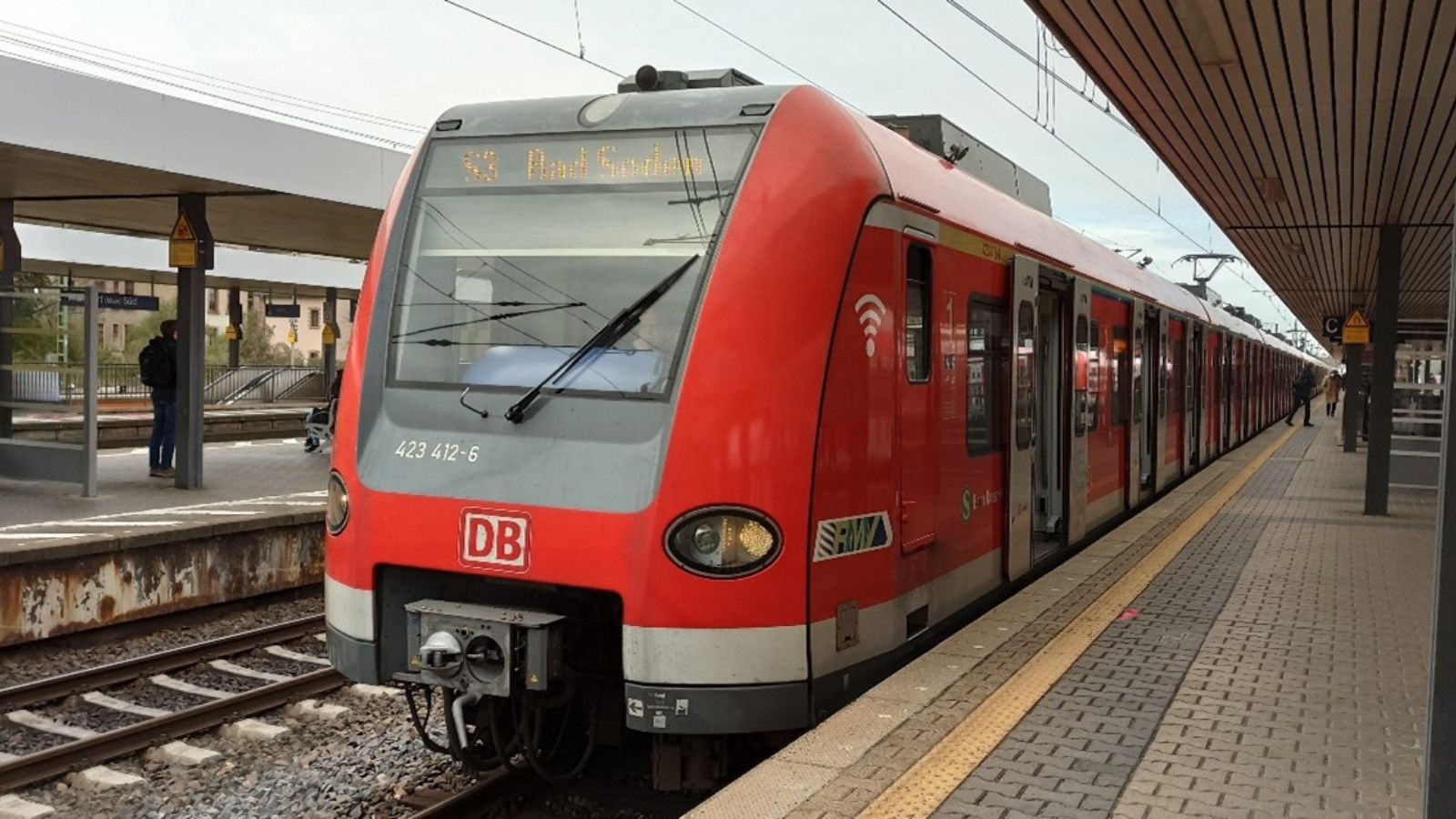
The Voreifel (S23) line is a key regional connector for commuters travelling between Euskirchen, Meckenheim and Bonn Hauptbahnhof, where passengers access long-distance and regional services. Deutsche Bahn routinely schedules infrastructure and electrification works during December to align with lower holiday-period demand; however, historical closures on the Cologne–Bonn–Koblenz corridor demonstrate that rail-replacement services often experience congestion, extended journey times and crowding at interchange hubs. Seasonal weather conditions, including fog in the Eifel region, further increase the risk of throughput delays on road-based alternatives. While such works are planned and permitted, they consistently place short-term pressure on local transport networks and adjacent commercial activity.
Executive Summary
- Event Date: 14-24 December
- Location: Bonn Hauptbahnhof and Euskirchen, Germany
- Risk Category: Travel Risks
- Severity Level: 3 / 5
- Confidence Score: 82 %
A full suspension of S23 services between Euskirchen and Bonn Hauptbahnhof from 14–24 December for electrification works will significantly disrupt regional travel. Replacement buses and timetable adjustments will increase commute times and cause localized congestion, particularly during peak periods.
Known Hotspots & Sensitive Zones
- High Impact Zones: Bonn Hauptbahnhof, Euskirchen station and Meckenheim transfer points, where passenger volumes and intermodal transfers are concentrated.
- Medium Impact Zones: B56 and A565 feeder roads used by replacement buses, as well as central Bonn access corridors such as Friedrich-Ebert-Allee.
- Low Impact Zones: Outer residential zones with alternative rail or road options.
Similar disruptions recur during scheduled winter infrastructure works on this corridor.
Impact on Transportation & Services
Rail services on the S23 route will be fully suspended, with passengers diverted to rail-replacement buses operating on parallel road corridors. This shift is expected to increase road congestion, extend door-to-door travel times and compress peak-hour capacity at Bonn Hauptbahnhof. Feeder rail services may experience timetable adjustments and occasional cancellations. Businesses reliant on commuter staff or time-sensitive appointments may see reduced punctuality and productivity, while customer-service demand for transport operators is likely to rise. No direct impact to digital or IT services is anticipated.
Recommended Action
- Organizations should activate a rail-disruption response plan, appointing a transport liaison to monitor Deutsche Bahn updates and disseminate information regularly.
- Remote work should be authorized where feasible, supported by staggered shift windows to reduce peak travel pressure.
- Employers may consider shuttle or minibus arrangements on high-density corridors for critical staff.
- Logistics teams should review delivery schedules, shift rail-dependent shipments to road carriers and pre-position essential inventory near Bonn.
- Coordination with Deutsche Bahn, local transport authorities and municipal traffic services is advised.
Multi-Dimensional Impact
Adverse weather, particularly fog, could further slow replacement buses and increase minor road-accident risk on diversion routes. Concurrent regional incidents may marginally strain emergency services during peak replacement-bus operations.
Emergency Contacts
- Emergency Services: 112
- Deutsche Bahn Customer Service: +49 30 2970
- Police (Non-Emergency): 0228 15-0
Situational Outlook
The most likely scenario is that the closure proceeds within the published window, with predictable congestion and manageable delays through the holiday period. A moderate escalation could occur if weather or technical issues extend works by up to three days, increasing commuter strain and delivery delays. A severe scenario, though less probable, would involve extended overruns combined with major road incidents, leading to sustained regional disruption and higher operational costs.
Strategic Takeaway
The S23 closure represents a moderate, time-bound travel risk with well-documented historical precedent. Early communication, flexible workforce arrangements and transport contingency planning will mitigate most impacts. Continuous monitoring through early-warning and situational awareness platforms such as MitKat’s Datasurfr can support informed decision-making and operational resilience during the disruption window.
Stay ahead of operational risks with real-time alerts, scenario modeling, and expert advisories with datasurfr’s Predict. Start your 14-day free trial of Datasurfr’s Risk Intelligence Platform today.