Executive Summary for the Road Closure in Mumbai
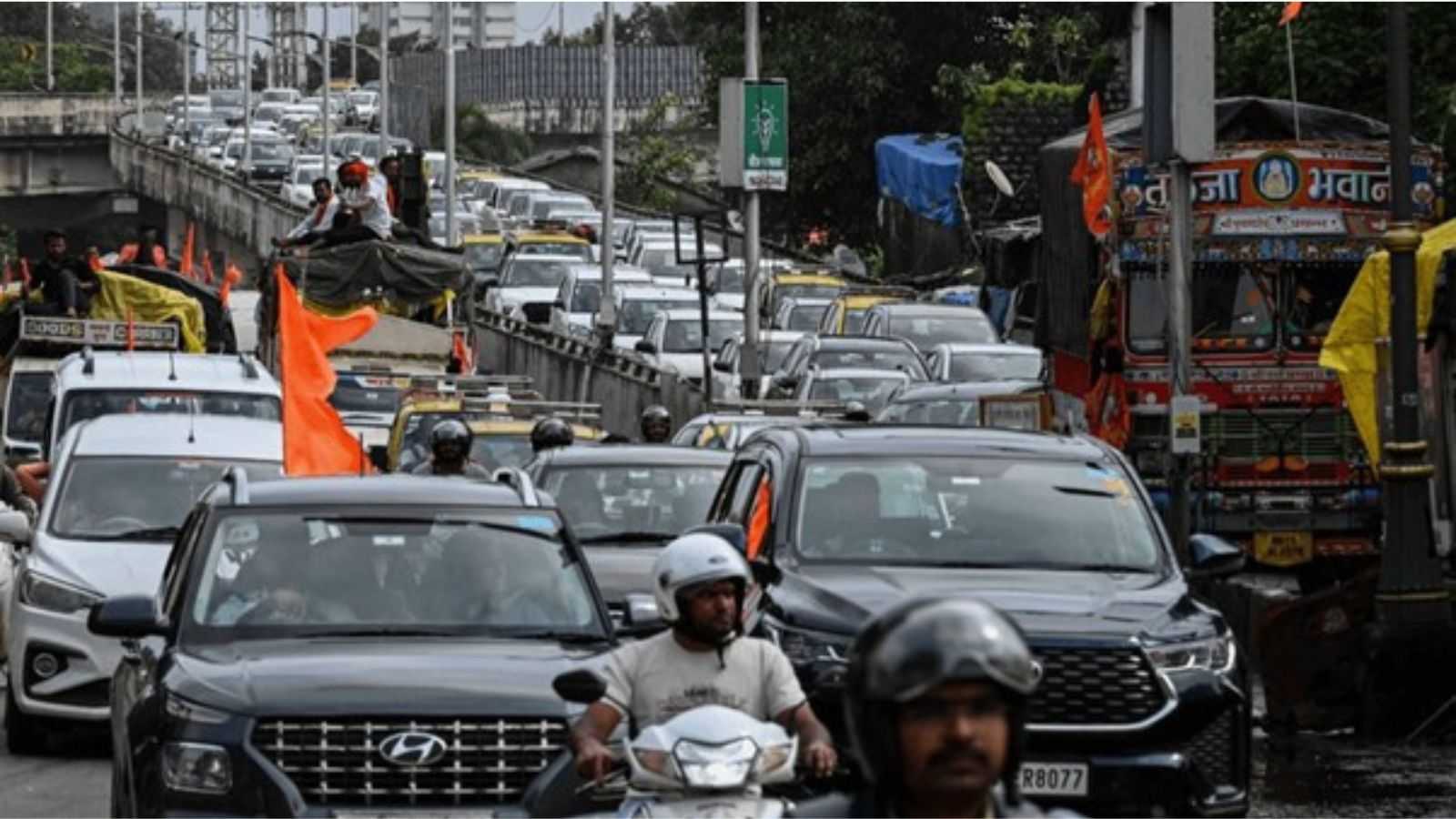
A road closure and traffic diversion in Wadala have been announced for pipeline works until 22 May. The disruption is expected to cause sustained traffic congestion, delays in commuting, and logistical challenges, particularly during the initial weeks of excavation and rerouting.
- Event Date: 25 March
- Location: Wadala, Mumbai, Maharashtra, India
- Risk Category: Travel Risks
- Severity Level: 3 / 5
- Confidence Score: 78 %
Operational Context
Authorities have implemented a road closure near the Wadala Monorail depot for pipeline diversion works, a common infrastructure activity in Mumbai that typically results in multi-week disruptions. Such projects significantly affect local traffic flow, public transport access, and commercial activity. Businesses operating in and around Wadala must navigate constrained mobility, fluctuating access routes, and increased delivery timelines while ensuring workforce safety and operational continuity.
Known Hotspots & Sensitive Zones
High-impact zones:
- Wadala Monorail Depot and station access roads, RTO Chowk.
Medium-impact areas:
- Adjacent feeder roads and commercial zones in Wadala.
Low-impact areas:
- Peripheral residential areas with alternate connectivity.
These locations are prone to recurring congestion during infrastructure works, particularly due to high commuter density and limited alternate road capacity.
Impact on Transportation & Services
The closure is expected to significantly disrupt travel and mobility, with congestion on diversion routes and increased travel times by 10–30 percent during peak hours. Public transport services, including buses and monorail access, may experience delays or temporary adjustments. Business operations will be affected through delayed employee commutes, reduced customer footfall, and disruptions to last-mile delivery. Logistics networks may face rerouting challenges, while minor risks to utilities exist due to excavation activities. Communication systems are expected to remain largely unaffected.
Recommended Action
- Organizations should implement staggered working hours and remote work options to reduce commuting pressure.
- Logistics teams must update routing plans, allocate buffer time for deliveries, and coordinate closely with transport authorities such as Mumbai Traffic Police and BMC.
- In the longer term, businesses should strengthen urban mobility contingency planning and invest in real-time traffic monitoring tools to mitigate similar disruptions.
- Coordination with agencies such as MMRDA will support adaptive response strategies.
Multi-Dimensional Impact
The road closure may amplify existing urban stressors such as heat exposure for commuters and increased pressure on alternate transport networks, potentially affecting emergency response times in the vicinity.
Emergency Contacts
- Emergency Number: 112
Situational Outlook
Over the next two to eight weeks, Wadala is expected to experience persistent traffic disruption with peak congestion during the initial excavation phase. While conditions may stabilize as diversion systems normalize, intermittent delays and access constraints will continue until project completion, requiring sustained operational adjustments by businesses and commuters.
Strategic Takeaway
The situation represents a moderate but sustained travel risk with localized disruption in Wadala. Key watchpoints include traffic congestion levels, potential utility damage, and adherence to project timelines. Businesses should prioritize proactive planning, employee safety, and continuous monitoring. Leveraging platforms such as MitKat’s Datasurfr can enhance situational awareness and response efficiency. Stay ahead of operational risks with real-time alerts, scenario modeling, and expert advisories with datasurfr’s Predict. Start your 14-day free trial of Datasurfr’s Risk Intelligence Platform today.