Operational Context
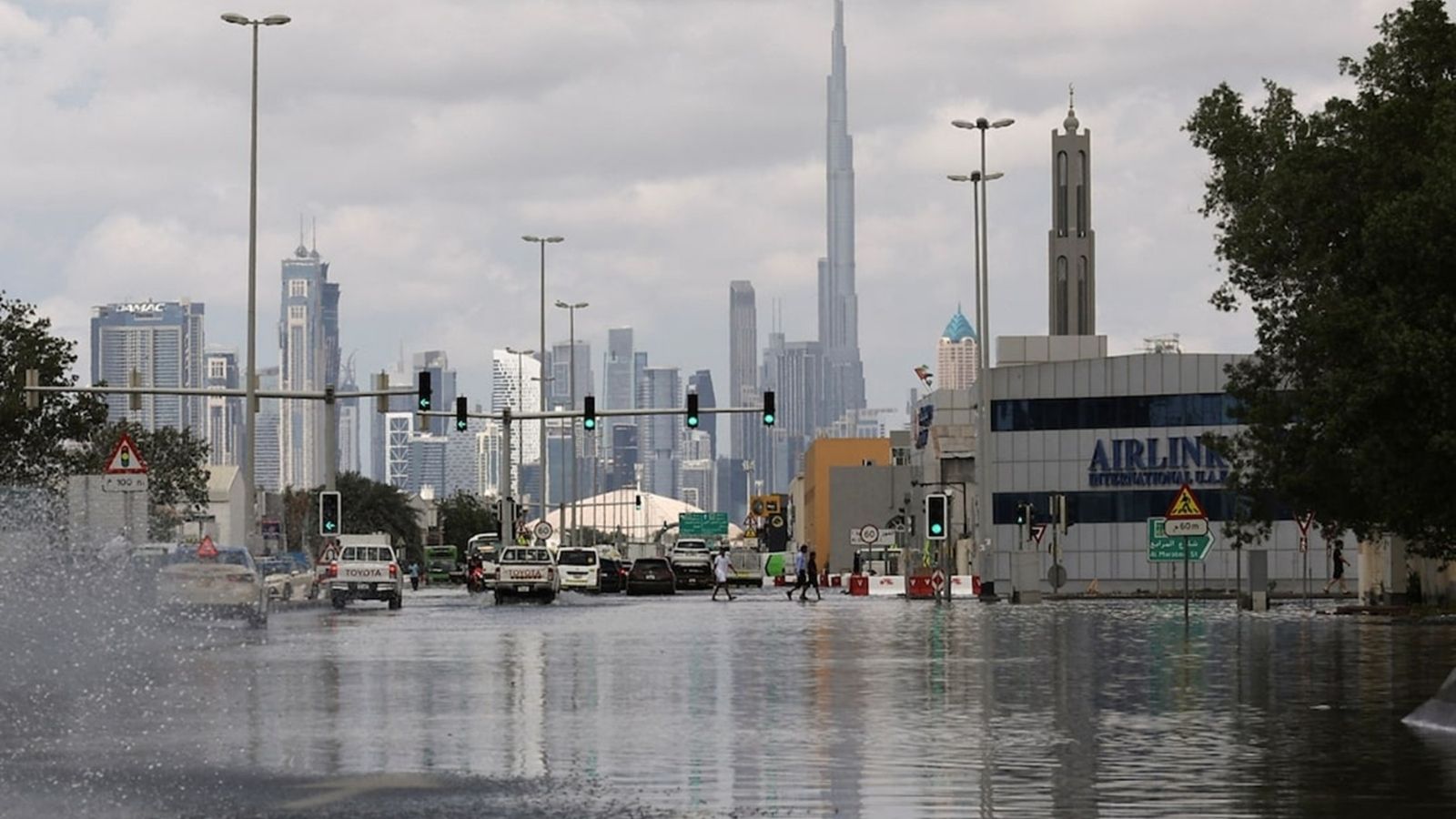
Winter low-pressure systems affecting the UAE between December and January periodically generate brief, but disruptive weather events marked by convective rainfall and gusty winds. While overall annual rainfall remains low, short-duration downpours often overwhelm urban drainage and low-lying wadi corridors, particularly in rapidly urbanized areas. Past events of similar intensity have caused disproportionate disruption to road networks, outdoor operations and logistics hubs, despite limited structural damage. Authorities typically manage impacts through traffic advisories, municipal drainage response and targeted safety warnings rather than large-scale shutdowns.
Executive Summary
- Event Date: 15 January
- Location: Abu Dhabi, Dubai, Sharjah, United Arab Emirates
- Risk Category: Environment
- Severity Level: 3 / 5
- Confidence Score: 75 %
Forecast guidance indicates a 12–36-hour window of unstable weather across the UAE on 15 January, with a six to 12-hour peak period of heavier rainfall and strong winds. The severity is assessed as moderate, with expected localized flooding at drainage choke points, temporary traffic disruption and minor wind-related damage in exposed coastal and desert-adjacent areas. While widespread infrastructure failure is unlikely, travel delays, outdoor work suspensions and localized utility issues are probable, warranting short-term operational adjustments.
Current Updates
Public advisories issued on 15 January warn of scattered rainfall and gusty winds across multiple emirates. Municipal and emergency teams are on standby to address water accumulation, debris and traffic hazards. No mass closures, casualty reports or emergency declarations have been issued during the initial advisory period.
Known Hotspots & Sensitive Zones
- High-impact zones: Major arterial roads such as Sheikh Zayed Road (E11), Emirates Road (E611) and Al Ain Road (E66), along with low-lying residential areas such as Dubai International City and basement-level commercial properties.
- Medium-impact areas: Coastal promenades such as Abu Dhabi Corniche and logistics access roads near ports.
- Low-impact areas: Elevated inland districts with robust drainage.
A recurring seasonal pattern shows similar impacts during winter rain events, particularly following prolonged dry periods.
Impact on Transportation & Services
Road transport will experience the most direct disruption, including reduced speeds, temporary lane closures and congestion on inter-emirate routes. Public transport services may operate with delays during peak wind periods, while short-haul flights and port truck movements could face brief scheduling disruptions. Business operations may be affected through delayed staff arrivals, reduced retail footfall and interruptions to last-mile deliveries. Digital and telecom services are expected to remain largely functional, with only isolated localized outages.
Recommended Action
- Organizations should activate short-term weather response protocols, including remote work options, staggered shifts and travel advisories during peak conditions.
- Facilities teams should secure outdoor assets, inspect drainage points and protect ground-level electrical systems.
- Fleet and logistics managers should reroute vehicles away from flood-prone roads and adjust delivery schedules.
- Coordination with local authorities, municipal dashboards and emergency services is advised for real-time updates and compliance.
Multi-Dimensional Impact
The weather event may temporarily strain municipal services and emergency response capacity, delay routine infrastructure works and increase short-term insurance claims related to water ingress and minor asset damage.
Emergency Contacts
- UAE Emergency Services: 999
- Civil Defence: 997
- Meteorological Alerts: mobile.ncm.gov.ae/
Situational Outlook
The most likely outcome is short-duration rainfall and gusty winds causing localized flooding and traffic delays, followed by rapid normalization within 24 to 48 hours. A moderate escalation could involve more persistent convective rainfall leading to temporary road closures and isolated utility outages, while a severe scenario remains low probability and would require sustained rainfall and stronger winds affecting major transport corridors and logistics hubs.
Strategic Takeaway
The forecast weather presents a manageable but disruptive environmental risk for the UAE. Proactive planning, flexible operations and close monitoring of official advisories will be essential to limit operational impact. Leveraging early-warning and weather-risk intelligence platforms such as MitKat’s Datasurfr can enhance preparedness, support rapid decision-making and strengthen business continuity during short-notice weather events. Stay ahead of operational risks with real-time alerts, scenario modeling, and expert advisories with datasurfr’s Predict. Start your 14-day free trial of Datasurfr’s Risk Intelligence Platform today.