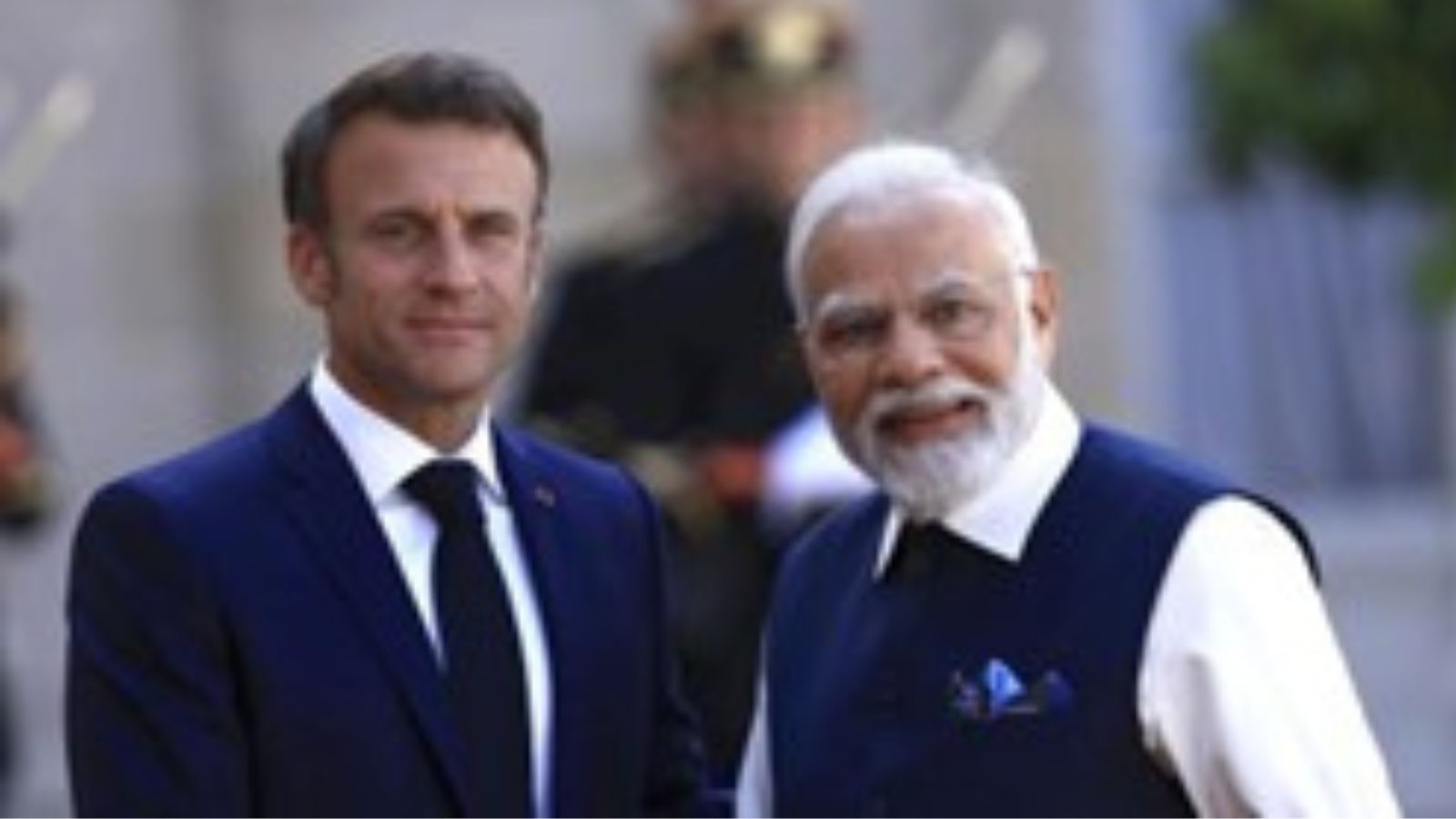
Executive Summary for the President Macron’s Visit to India
President Emmanuel Macron will visit Mumbai and Delhi from 16–19 February for the AI Impact Summit and official engagements. Authorities are expected to implement targeted road closures, VIP security perimeters, checkpointing, and transport diversions. Disruption is assessed as moderate, with peak mobility constraints during airport transfers and summit appearances. Impacts are likely localized but operationally significant for commuters and last-mile logistics.
- Event Date: 16 February
- Location: Bharat Mandapam (Delhi), Colaba (Mumbai), Maharashtra and Delhi, India
- Risk Category: Travel Risks
- Severity Level: 3 / 5
- Confidence Score: 85 %
Operational Context
High-level state visits to India typically generate short duration but concentrated security operations involving motorcade movements, venue lockdowns, airspace coordination, and layered access controls. Based on historical patterns from presidential and prime ministerial visits, disruption windows generally intensify 24 hours before public engagements and remain elevated until departure. In Mumbai, impacts commonly concentrate along the Western Express Highway, Bandra-Kurla Complex (BKC), airport corridors, and hotel perimeters. In Delhi, similar restrictions typically apply around Aerocity, Diplomatic Enclave, Central Vista, and key arterial connectors. While such visits are well-coordinated and predictable, concurrent civic events or unrelated infrastructure incidents can amplify operational strain.
Known Hotspots & Sensitive Zones
- High Impact Zones: Western Express Highway near Chhatrapati Shivaji Maharaj International Airport, Bandra-Kurla Complex access roads, Marine Drive and Colaba hotel corridors, Delhi Aerocity, Diplomatic Enclave, and approaches to Bharat Mandapam.
- Medium Impact Zones: Metro feeder routes, bus corridors intersecting secured perimeters, Connaught Place, and India Gate approaches.
- Low Impact Zones: Peripheral suburban districts beyond designated motorcade routes, though spillover congestion is possible.
Past VIP visits in Mumbai and Delhi demonstrate recurring rolling road closures and multi-kilometre traffic congestion during peak movement windows.
Impact on Transportation & Services
Rolling road closures and dedicated motorcade lanes may cause 30–90-minute commuter delays along major arterial routes. Bus services are likely to be rerouted, and metro feeder connectivity near secured zones may experience temporary suspension. Airside handling at Mumbai and Delhi airports may include slot adjustments and priority clearances. Businesses within BKC, Colaba, and central Delhi may encounter restricted access, delivery delays, and heightened security screening. Communications infrastructure is expected to remain stable, though localized mobile congestion may occur during large gatherings.
Recommended Action
- Organizations should activate a 72-hour travel risk management protocol covering 16–19 February.
- Enable remote work for staff commuting through secured corridors and pre-approve alternate delivery schedules.
- Secure high-value assets within facilities located near motorcade routes and restrict non-essential contractor access.
- Establish an incident coordination team to monitor advisories from Mumbai Police, Delhi Police, and airport authorities.
- Maintain updated stakeholder communications outlining anticipated service impacts and contingency timelines.
Multi-Dimensional Impact
Concurrent incidents such as labour agitation, infrastructure failure, or fire emergencies could compound congestion and strain emergency response capacity, increasing overall operational disruption.
Emergency Contacts
- Emergency Number: 112
Situational Outlook
The most probable scenario over 16–19 February involves structured and time-bound road closures, security perimeters, and airport coordination with manageable commuter disruption. A moderate escalation could arise if protests or unrelated incidents coincide with motorcade movements, leading to extended congestion and partial suspension of feeder transport services. Severe escalation remains unlikely but would involve a significant security or infrastructure incident prompting broader cordons and prolonged transport shutdowns. Overall, disruption is expected to remain localized, predictable, and reversible within hours of scheduled engagements.
Strategic Takeaway
President Macron’s India visit presents a concentrated but manageable travel disruption risk for Mumbai and Delhi. Proactive mobility planning, stakeholder communication, and operational flexibility will mitigate business continuity impacts. Organizations should integrate real-time advisory monitoring and early warning platforms such as MitKat’s Datasurfr to maintain situational awareness and ensure agile response during high-security diplomatic events.
Stay ahead of operational risks with real-time alerts, scenario modeling, and expert advisories with datasurfr’s Predict. Start your 14-day free trial of Datasurfr’s Risk Intelligence Platform today.