
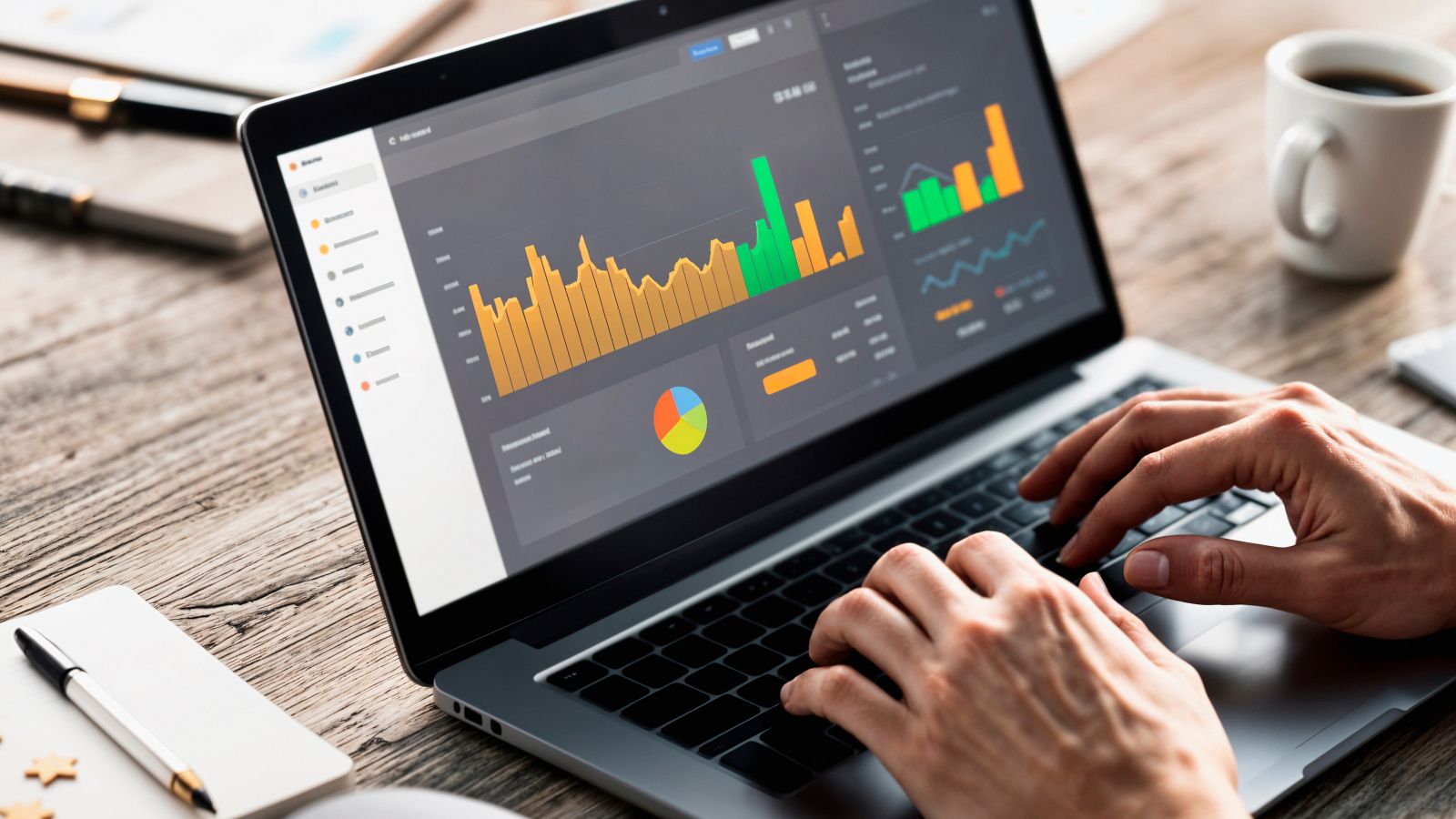
In today’s rapidly changing business environment, organizations face a growing range of threats—from geopolitical instability and cyberattacks to supply chain disruptions, regulatory changes, and natural disasters. Traditional risk management methods often focus on identifying risks after they emerge, leaving organizations vulnerable to unexpected disruptions.
To stay ahead, businesses are increasingly adopting Predictive Risk Analytics Software, which uses artificial intelligence (AI), machine learning, big data, and geospatial intelligence to forecast potential risks before they escalate into crises.
By transforming data into actionable intelligence, predictive risk analytics empowers organizations to make proactive decisions, improve operational resilience, and reduce business disruption.
What Is Predictive Risk Analytics Software?
Predictive Risk Analytics Software is an advanced technology solution that analyzes historical, real-time, and external data to identify patterns, assess threats, and forecast future risks.
Unlike traditional risk management tools, predictive analytics software helps organizations anticipate potential disruptions rather than simply react to them.
Core Functions Include:
- Risk forecasting
- Threat identification
- Pattern recognition
- Real-time monitoring
- Risk scoring
- Scenario analysis
- Decision support
These capabilities allow organizations to proactively manage uncertainty and improve resilience.
Why Organizations Need Predictive Risk Analytics
Modern risks evolve quickly and often emerge from multiple sources simultaneously.
Organizations face challenges such as:
- Geopolitical instability
- Cybersecurity threats
- Supply chain disruptions
- Regulatory changes
- Climate-related events
- Operational failures
- Employee safety concerns
Traditional monitoring systems often struggle to process large volumes of data and identify emerging threats early enough.
Predictive analytics provides organizations with the visibility and foresight needed to stay ahead of disruptions.
How Predictive Risk Analytics Software Works
Predictive risk analytics platforms combine multiple technologies to deliver accurate and timely risk insights.
Data Aggregation
The software collects data from various sources, including:
- News feeds
- Government advisories
- Social media
- Internal operational systems
- Security platforms
- Weather services
- Supply chain networks
The broader the data ecosystem, the more comprehensive the risk assessment.
AI and Machine Learning Analysis
AI algorithms identify patterns and anomalies that may indicate emerging risks.
Machine learning continuously improves prediction accuracy by learning from historical events and new data.
Risk Modelling
The software evaluates:
- Probability of occurrence
- Potential impact
- Geographic relevance
- Asset exposure
- Business implications
This helps organizations prioritize risks effectively.
Automated Alerts and Reporting
When risk thresholds are exceeded, automated alerts notify relevant stakeholders, enabling faster response and mitigation.
Key Benefits of Predictive Risk Analytics Software
1. Early Risk Detection
One of the greatest advantages of predictive analytics is the ability to identify risks before they become significant disruptions.
Organizations gain valuable time to prepare and respond.
2. Enhanced Decision-Making
Predictive insights help leaders make informed decisions based on data rather than assumptions.
This improves strategic planning and resource allocation.
3. Improved Operational Resilience
Organizations can proactively address vulnerabilities and maintain business continuity during disruptions.
4. Reduced Financial Losses
Early intervention helps minimize operational downtime, reputational damage, and recovery costs.
5. Better Resource Utilization
Risk-based prioritization enables organizations to focus resources on the most critical threats.
The Role of AI in Predictive Risk Analytics
Artificial Intelligence is the engine behind modern predictive risk analytics solutions.
AI helps organizations:
Identify Emerging Threats
Analyse massive volumes of structured and unstructured data.
Predict Future Scenarios
Forecast disruptions before they occur.
Automate Risk Monitoring
Reduce manual monitoring efforts and improve efficiency.
Enhance Situational Awareness
Provide real-time visibility into evolving risks.
Support Crisis Response
Deliver actionable intelligence during critical events.
AI transforms risk management from reactive to predictive.
GEO Intelligence and Location-Based Risk Prediction
Geospatial intelligence (GEO Intelligence) adds critical context to predictive risk analytics.
By incorporating location-based data, organizations can:
- Monitor regional threats
- Assess asset exposure
- Track supply chain vulnerabilities
- Protect traveling employees
- Improve crisis response planning
Combining GEO intelligence with predictive analytics significantly enhances situational awareness.
Applications of Predictive Risk Analytics Software
Enterprise Risk Management
Supporting organization-wide risk identification and mitigation.
Supply Chain Risk Monitoring
Forecasting disruptions that may impact suppliers, logistics, and inventory.
Crisis Management
Providing early warning indicators and crisis preparedness insights.
Travel Risk Management
Identifying risks affecting business travellers and international operations.
Executive Protection
Monitoring threats that may impact executives and high-profile individuals.
Cybersecurity Risk Management
Detecting emerging cyber threats and vulnerabilities.
Best Practices for Implementing Predictive Risk Analytics
Define Clear Risk Objectives
Identify the risks most relevant to your organization.
Integrate Diverse Data Sources
The quality of predictions depends on the breadth of available data.
Combine AI with Human Expertise
Risk professionals provide context and validation for AI-generated insights.
Continuously Update Models
Regular refinement improves prediction accuracy.
Align Analytics with Business Continuity Plans
Ensure predictive insights support operational resilience and crisis management objectives.
Future Trends in Predictive Risk Analytics
The future of predictive risk management will be driven by increasingly sophisticated technologies.
Emerging Trends
- AI-powered autonomous risk monitoring
- Predictive crisis intelligence
- Real-time global threat forecasting
- Advanced geospatial analytics
- Automated risk response workflows
- Integrated operational resilience platforms
Organizations adopting these technologies will gain a significant competitive advantage.
Frequently Asked Questions (FAQs)
What is Predictive Risk Analytics Software?
Predictive Risk Analytics Software uses AI, machine learning, and data analytics to forecast potential risks and support proactive decision-making.
How does predictive risk analytics differ from traditional risk management?
Traditional risk management often reacts to events after they occur, while predictive analytics identifies risks before they escalate.
Conclusion
Predictive Risk Analytics Software is transforming how organizations manage uncertainty and protect business operations. By leveraging AI, machine learning, real-time intelligence, and geospatial analytics, businesses can anticipate risks before they escalate, improve decision-making, and strengthen operational resilience.
As threats become more complex and interconnected, predictive analytics will play an increasingly important role in enterprise risk management, crisis preparedness, and business continuity.
Organizations that invest in predictive risk intelligence today will be better equipped to navigate tomorrow’s challenges with confidence and agility.
Datasurfr helps organizations leverage AI-powered predictive risk analytics, real-time threat intelligence, geospatial awareness, automated alerts, and risk forecasting capabilities to identify emerging threats, assess operational impact, and strengthen business resilience through proactive risk management.
Share on WhatsApp