Operational Context
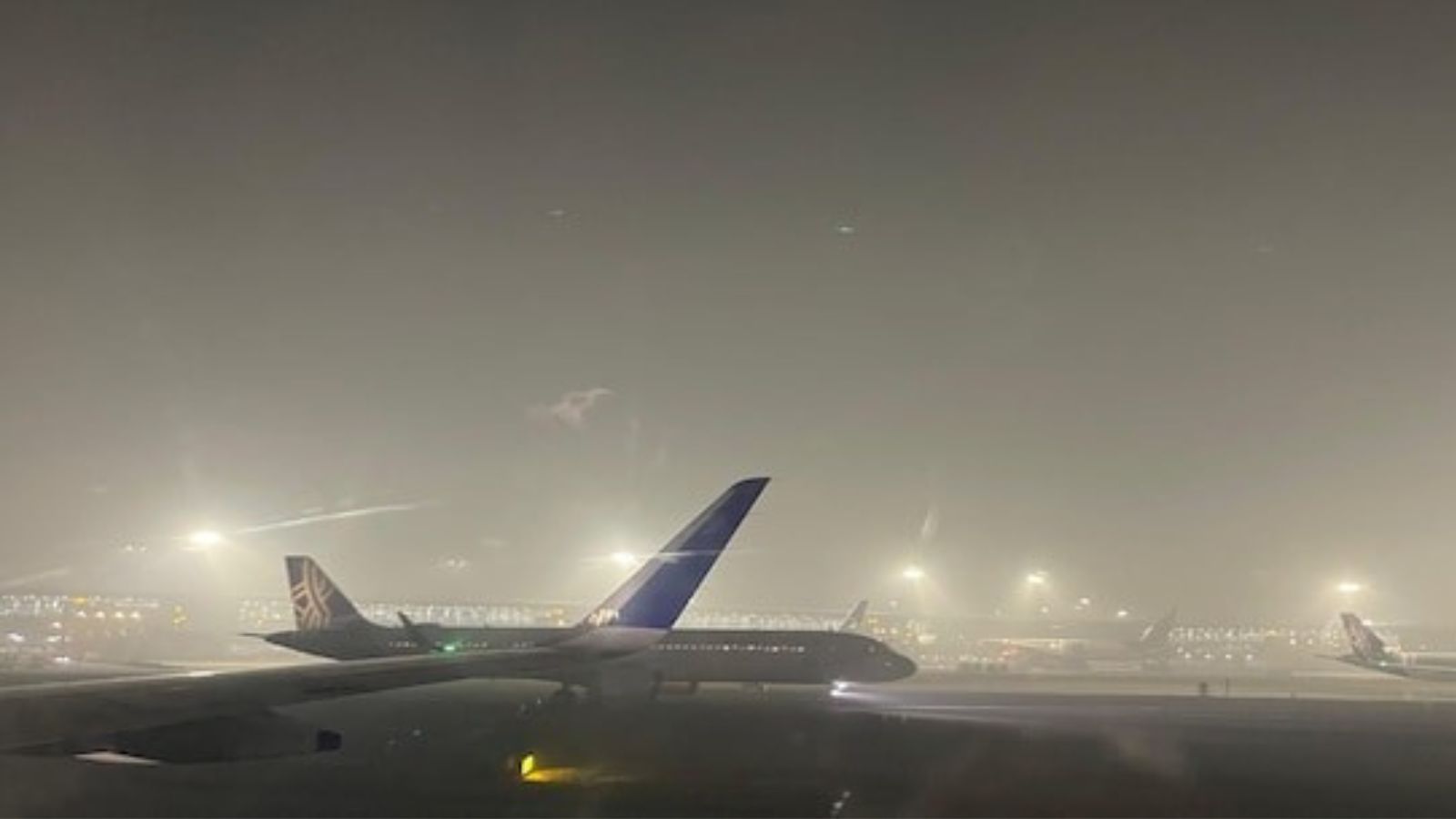
Winter fog is a recurring operational risk for northern India, particularly Delhi-NCR, during December–January when temperature inversions and stagnant air reduce runway visual range. IGI Airport operates advanced low-visibility procedures; however, sustained fog events routinely create cascading delays, diversions and surface movement constraints. These episodes also affect airport-linked road and rail corridors, amplifying disruption beyond aviation into workforce mobility, freight handling and high-profile event logistics.
Executive Summary
- Event Date: 16 January
- Location: Delhi, India
- Risk Category: Travel Risks
- Severity Level: 3 / 5
- Confidence Score: 85 %
Delhi Airport has issued an advisory for poor visibility as dense fog impacts operations at IGI Airport. Disruption is most acute during early morning hours, with delays and select cancellations or diversions likely. Severity is moderate, reflecting routine but widespread operational impacts rather than systemic failure. Confidence is high due to strong seasonal patterns and active advisories from airport authorities and airlines.
Current Updates
Airport authorities and airlines have confirmed flight delays at IGI Airport, with passengers advised to check flight status before travel. Early-morning operations have already been affected, and ground transport across Delhi-NCR is experiencing slower movement due to low visibility. Meteorological conditions indicate fog persistence linked to a cold wave and weak wind dispersion, with improvement expected later in the day.
Known Hotspots & Sensitive Zones
- High Impact Zones: IGI Airport runways, taxiways and Aerocity access points, where reduced runway visual range directly affects departures and arrivals.
- Medium Impact Zones: Airport Expressway, Delhi-Gurgaon Expressway (NH48), and access corridors to New Delhi Railway Station.
- Low Impact Zones: Interior urban zones away from major transport hubs.
Fog events show strong seasonal recurrence during mid-winter, often clustering over consecutive mornings.
Impact on Transportation & Services
Air transport faces delays, cancellations and occasional diversions to nearby airports, affecting passenger travel and air freight schedules. Road transport across Delhi-NCR is slowed by reduced visibility, increasing commute times and accident risk on arterial routes. Rail services may experience speed restrictions during early hours. Business operations reliant on-air travel, just-in-time deliveries or on-site staffing face moderate disruption, while communications systems remain operational but under increased customer service load.
Recommended Action
- Organizations should activate travel disruption protocols and enable remote work for affected staff.
- Immediate coordination between HR, operations and travel desks is advised to manage workforce delays.
- Businesses handling time-sensitive cargo should consider alternate airports or surface transport contingencies.
- Strategic measures include strengthening winter travel policies, maintaining alternate routing agreements and monitoring advisories from the India Meteorological Department, Airports Authority of India and local police traffic updates.
Multi-Dimensional Impact
The fog compounds operational complexity for concurrent activities such as Republic Day rehearsals and heightened security movements, potentially stretching transport and emergency response capacity during peak disruption windows.
Emergency Contacts
- Emergency Services (India): 112
- Delhi Traffic Police Helpline: 1095
Situational Outlook
The most likely scenario is continued early-morning fog through 16 January, causing routine delays and limited cancellations before gradual improvement by late morning. A moderate escalation could involve prolonged fog leading to wider network disruptions and increased diversions, while a severe, multi-day impact remains a low-probability outcome.
Strategic Takeaway
Seasonal fog remains a predictable but disruptive risk for Delhi’s aviation and transport ecosystem. Proactive planning, flexible workforce policies and real-time monitoring are essential to limit cascading impacts. Early warning and situational intelligence platforms such as MitKat’s Datasurfr provide critical foresight to support informed decision-making and operational resilience during recurrent winter visibility events. Stay ahead of operational risks with real-time alerts, scenario modeling, and expert advisories with datasurfr’s Predict. Start your 14-day free trial of Datasurfr’s Risk Intelligence Platform today.