Executive Summary for Oil Spill Response in Thailand
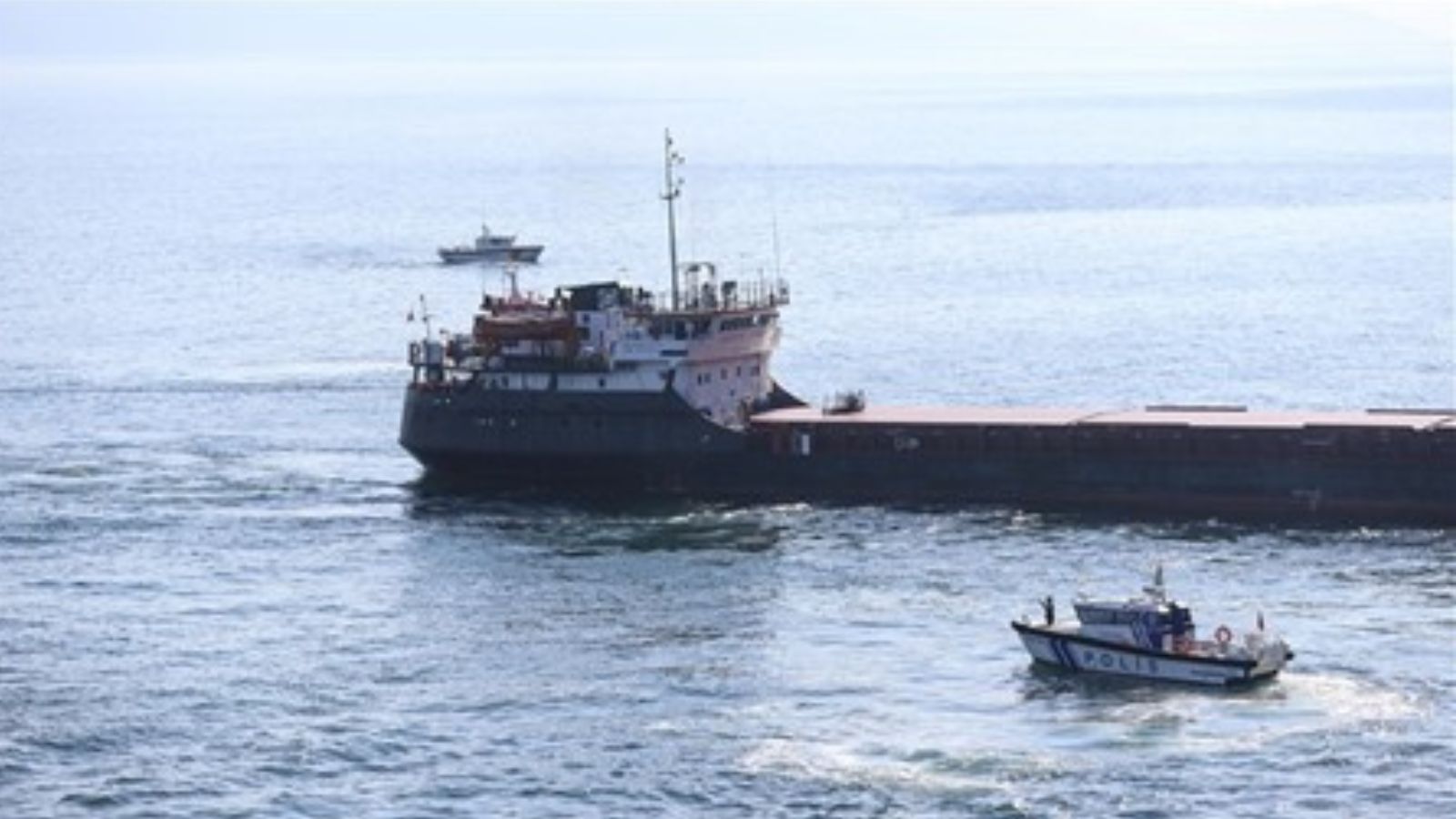
Authorities commenced containment and salvage operations after a containerised cargo ship carrying hazardous materials sank off Thailand, resulting in an oil spill. The incident presents a high environmental and operational risk, with potential nearshore contamination expected over the next three to 14 days. While initial response measures are underway, uncertainty around cargo composition, weather conditions and response capacity elevates the likelihood of extended disruption to fisheries, tourism and maritime traffic.
- Event Date: 09 February
- Location: Coastal waters off Thailand
- Risk Category: Critical Infrastructure
- Severity Level: 4 / 5
- Confidence Score: 72 %
Operational Context
Thailand’s coastal waters form a critical corridor for regional shipping, fisheries and tourism, with dense marine traffic and ecologically sensitive zones along the Gulf of Thailand and adjacent areas. Historical maritime spill incidents between 2023 and 2025 demonstrate that even localized sinkings can escalate into multi-week disruptions due to seasonal currents, limited spill-response capacity and complex salvage conditions. The presence of hazardous cargo compounds operational uncertainty, increasing exposure for ports, coastal businesses and government agencies responsible for environmental protection and maritime safety.
Known Hotspots & Sensitive Zones
- High Impact Zones: Nearshore waters and beaches down-current from the sinking site, marine protected areas, mangrove stands and inshore fisheries.
- Medium Impact Zones: Nearby ports, coastal tourism hubs and shipping lanes subject to navigation advisories.
- Low Impact Zones: Inland communities and offshore routes outside the projected spill trajectory.
Seasonal wind patterns and currents historically increase the risk of shoreline contamination during similar incidents.
Impact on Transportation & Services
Maritime navigation has been partially restricted in the immediate vicinity, with advisories issued to commercial and small craft. Local ferry services and fishing operations face suspension or rerouting, while ports may experience slower throughput due to inspections and cleanup coordination. Although road and air transport remain unaffected nationally, coastal access roads and piers may close temporarily, disrupting tourism operations and supply chains linked to seafood and port logistics.
Recommended Action
- Organizations with coastal exposure should activate incident management and business continuity protocols immediately, prioritising staff safety and environmental protection.
- Non-essential shore-side activities should be suspended, and personnel equipped with appropriate protective equipment.
- Logistics routes should be diversified away from affected marine corridors, and inventory buffers increased for critical goods.
- Engagement with Thai maritime authorities, the Department of Marine and Coastal Resources and environmental regulators is essential to ensure compliance, coordinated response and timely information sharing.
Multi-Dimensional Impact
Elevated temperatures, upcoming public events and potential military exercises may strain response resources, increase responder health risks and amplify reputational and economic consequences if beach closures persist into peak tourism periods.
Emergency Contacts
- Emergency Number: 191
- Thai Marine Department: mot.go.th/en/marine/info
Situational Outlook
The most probable trajectory involves partial containment with localized shoreline impact over the coming days, followed by gradual recovery if weather conditions remain manageable. A moderate escalation remains possible if hazardous cargo leakage expands the contamination footprint, while a severe, longer-term scenario could unfold if adverse weather disperses pollutants into protected areas, extending remediation timelines into weeks or months.
Strategic Takeaway
The oil spill following the cargo ship sinking represents a high-severity environmental and operational risk for Thailand’s coastal regions. Continuous monitoring, decisive containment and transparent stakeholder communication will shape recovery outcomes. Stay ahead of operational risks with real-time alerts, scenario modeling, and expert advisories with datasurfr’s Predict. Start your 14-day free trial of Datasurfr’s Risk Intelligence Platform today.