Operational Context
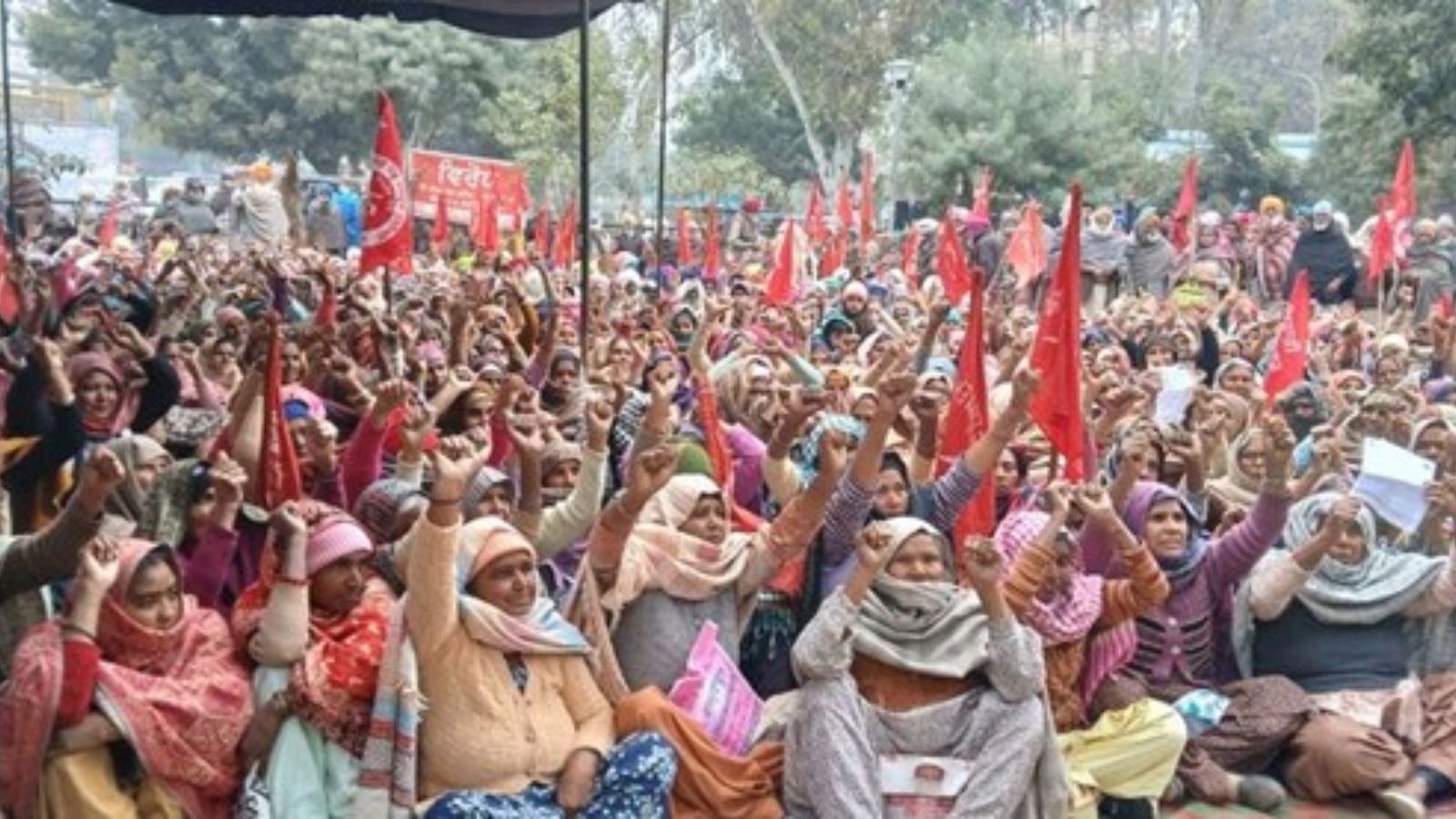
India has a long precedent of nationwide political campaigns led by major parties that manifest as synchronized rallies, dharnas, and symbolic marches in state capitals and high-visibility urban locations. Such movements typically create episodic disruption rather than continuous unrest, with impacts concentrated around government precincts, arterial roads, and public transport hubs. The current campaign aligns with this established operational pattern and warrants a calibrated, scalable response posture rather than full crisis activation.
Executive Summary
- Event Date: 08 January
- Location: Pan-India, with concentrations in Delhi, state capitals, and major urban centres
- Risk Category: Political
- Severity Level: 3/ 5
- Confidence Score: 78 %
The Congress party’s nationwide “Save MGNREGA” protest campaign is expected to unfold over a four to eight-week window, with peak activity during the first two weeks. The most likely impacts include intermittent traffic disruption, public transport diversions, localized retail and office closures, and short-term supply-chain delays near protest venues such as Parliament, Jantar Mantar, and state secretariats. While the probability of large-scale violence or infrastructure damage remains low, isolated clashes, arrests, and minor injuries are plausible in locations where permissions are contested. Overall risk is assessed as moderate, driven by frequency and geographic spread rather than intensity.
Current Updates
Party units have announced coordinated rallies, sit-ins, and street-corner protests beginning 08 January. Law-enforcement agencies are expected to manage events through permitting, route controls, and selective dispersals, with varying approaches by state and city.
Known Hotspots & Sensitive Zones
- High-impact zones: Parliament House and adjoining corridors in Delhi, Jantar Mantar, Kartavya Path, Connaught Place, state assemblies, secretariats, and district headquarters.
- Medium-impact areas: Arterial roads, metro interchanges, and commercial districts adjacent to protest sites.
- Low-impact areas: Residential and peripheral zones away from government infrastructure.
Similar nationwide campaigns in January–February periods have repeatedly followed this spatial pattern.
Impact on Transportation & Services
Road closures and diversions are likely around protest venues, affecting commuter flow and last-mile logistics. Metro stations near assembly points may face crowd management measures or temporary access controls. Bus services are expected to be rerouted in city centres. Digital services and utilities are generally stable, though localized mobile or internet restrictions near sensitive locations cannot be ruled out. These disruptions may temporarily affect office access, retail footfall, and customer service delivery.
Recommended Action
- Organizations should activate protest-related business continuity protocols, enable remote or flexible work for affected staff, and issue location-specific travel advisories.
- Physical sites near protest corridors should secure assets, restrict non-essential access, and enhance security monitoring.
- Logistics teams should reroute deliveries and pre-emptively communicate delays to customers.
- Coordination with local police, municipal authorities, and emergency services is advised, alongside continuous monitoring through risk-intelligence platforms.
Multi-Dimensional Impact
The campaign may compound existing winter-season mobility constraints, high-security event preparations, and ongoing transport disruptions, increasing the likelihood of localized service interruptions.
Emergency Contacts
- Police / Emergency: 100/112
Situational Outlook
The most probable outlook over the next seven–14 days involves repeated, short-duration protests causing episodic disruption in major cities, with authorities maintaining control through permits and targeted enforcement. A moderate escalation could see scuffles, arrests, and temporary transport or communication restrictions in select locations, while a severe escalation involving sustained violence or large-scale lockdowns remains a lower-probability scenario.
Strategic Takeaway
The “Save MGNREGA” campaign represents a sustained but manageable political risk driven by frequency and national spread rather than severity. Businesses and policymakers should focus on workforce safety, mobility planning, and proactive communication. Early-warning systems and preparedness tools such as MitKat’s Datasurfr can support real-time situational awareness and informed decision-making throughout the campaign period. Stay ahead of operational risks with real-time alerts, scenario modeling, and expert advisories with datasurfr’s Predict. Start your 14-day free trial of Datasurfr’s Risk Intelligence Platform today.