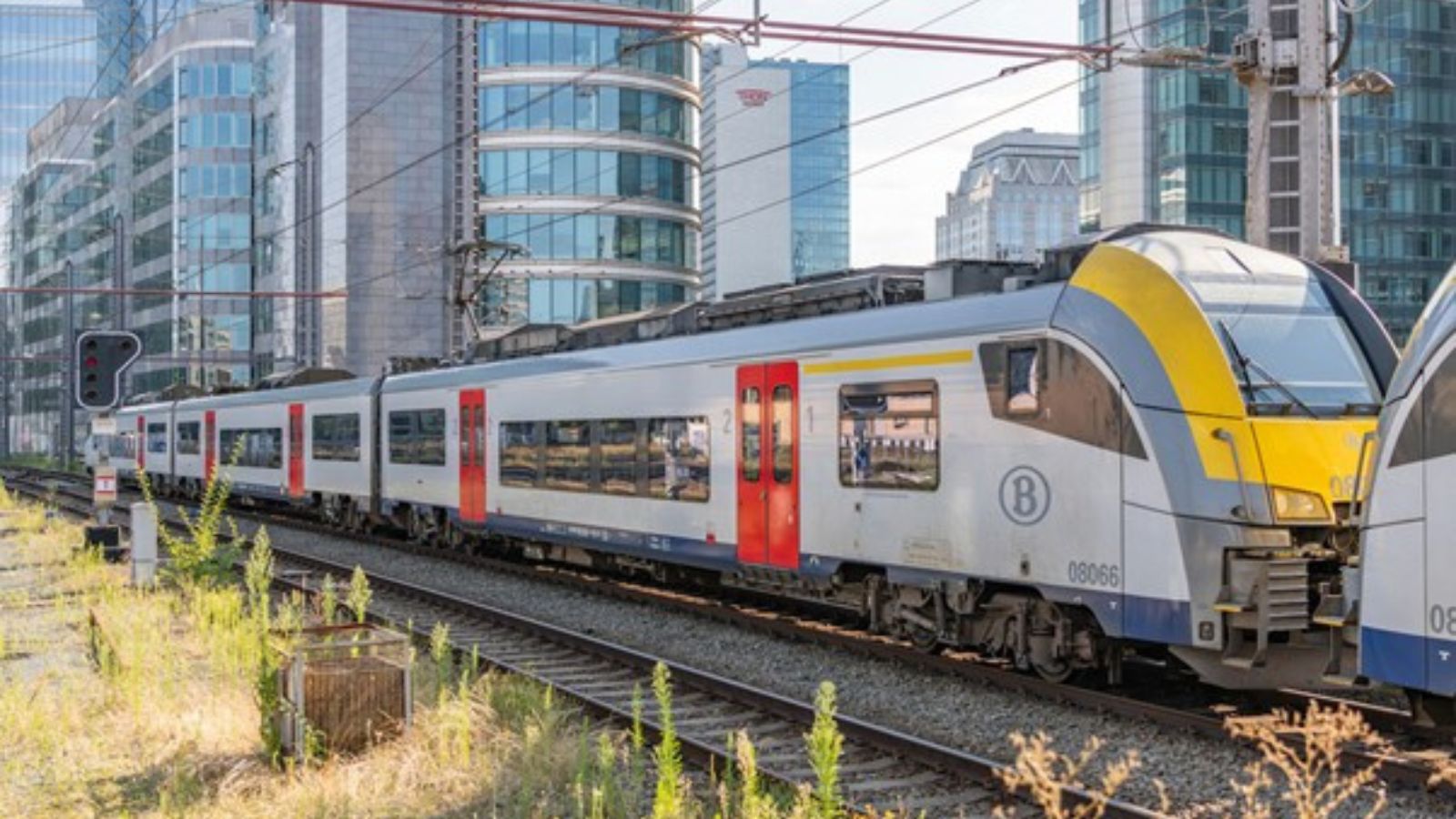
Executive Summary for the Railway Strike in Belgium
Railway unions have confirmed nationwide industrial action from 08–11 March, expected to cause extensive disruption to passenger rail services and related transport networks. Rail cancellations and reduced timetables are anticipated across the country, increasing commuter reliance on road transport and placing additional pressure on airports and bus networks. The strike is likely to affect workforce mobility, freight logistics, and delivery timelines during the four-day disruption window.
- Event Date: 08 March
- Location: Belgium
- Risk Category: Civil Disturbance
- Severity Level: 4 / 5
- Confidence Score: 85 %
Operational Context
Belgian railway unions have announced a nationwide strike scheduled from 08 March to 11 March 2026, following a pattern of recurring multi-day industrial actions affecting the national rail network. Historical strike activity in recent years demonstrates that most operational disruption typically occurs within the first 72 hours of the stoppage, with passenger rail services either suspended or operating under severely reduced timetables. Such strikes often shift commuter demand toward road transport, buses, and airports, creating congestion and capacity pressure across urban mobility networks. Past incidents indicate that rail strikes in Belgium frequently impact intercity commuter flows, logistics operations dependent on rail freight corridors, and airport accessibility due to reduced feeder transport and staff shortages.
Known Hotspots & Sensitive Zones
High-impact zones:
- Brussels-South (Bruxelles-Midi) rail and bus interchange
- Brussels-Central and Brussels-North stations
- Antwerp-Centraal and Liège-Guillemins rail hubs
- Charleroi-Sud transport hub
Medium-impact areas:
- Brussels Airport and Charleroi Airport transport access corridors
- Major motorway routes connecting Antwerp, Brussels, and Liège
Low-impact areas:
- Peripheral regional stations with lower passenger volumes
Nationwide rail strikes have historically resulted in concentrated disruption around major rail hubs and intermodal transport corridors, particularly in Brussels and Antwerp.
Impact on Transportation & Services
Passenger rail services are expected to be cancelled or significantly reduced nationwide, creating widespread travel disruption and increased reliance on road transport. Replacement bus services will operate on limited capacity and may not fully accommodate commuter demand. Major road corridors, including those linking Antwerp, Brussels, and Liège, are likely to experience severe congestion during peak commuting periods. Airports such as Brussels Airport and Charleroi Airport may face operational challenges due to staff shortages and reduced rail feeder connectivity. Freight logistics dependent on rail infrastructure may experience delays or rerouting, increasing delivery times for parcels and bulk shipments.
Recommended Action
- Organizations operating in Belgium should activate business continuity protocols and establish contingency transport arrangements for essential personnel.
- Employers should encourage remote working where possible and offer flexible schedules to reduce commuting pressure.
- Logistics operators should coordinate with road freight partners to reroute shipments and update delivery schedules to minimize supply chain disruptions.
- In the longer term, companies should integrate transport strike scenarios into risk management frameworks and maintain access to real-time travel updates from national transport authorities.
- Coordination with local security agencies and municipal authorities may support operational awareness during prolonged disruptions.
Multi-Dimensional Impact
Concurrent events such as national demonstrations or other sector strikes may increase disruption across transportation networks and amplify congestion around airports and major rail hubs.
Emergency Contacts
- Emergency Number: 112
- SNCB/NMBS Passenger Information Services: belgiantrain.be
Situational Outlook
Over the next several days, the most probable scenario involves the railway strike proceeding as announced from 08–11 March, resulting in widespread passenger rail cancellations and increased congestion on national road networks. Commuters are expected to shift toward buses, private vehicles, and air transport, placing additional pressure on alternative mobility systems. If the strike remains limited to the announced period, normal rail operations are likely to resume following the conclusion of the stoppage. However, there remains a moderate probability that unions could extend action through additional one-day stoppages or rolling strikes, potentially prolonging disruption across transport networks. A lower-probability escalation scenario would involve broader industrial action affecting multiple transport sectors, creating sustained mobility challenges and extended supply chain delays across Belgium.
Strategic Takeaway
The planned nationwide railway strike represents a significant mobility disruption event with implications for commuter travel, logistics operations, and airport connectivity. While the disruption window is currently limited to four days, secondary effects across road transport and supply chains may persist beyond the strike period. Businesses should prioritize proactive communication with employees and logistics partners while maintaining flexibility in operations.
Stay ahead of operational risks with real-time alerts, scenario modeling, and expert advisories with datasurfr’s Predict. Start your 14-day free trial of Datasurfr’s Risk Intelligence Platform today.