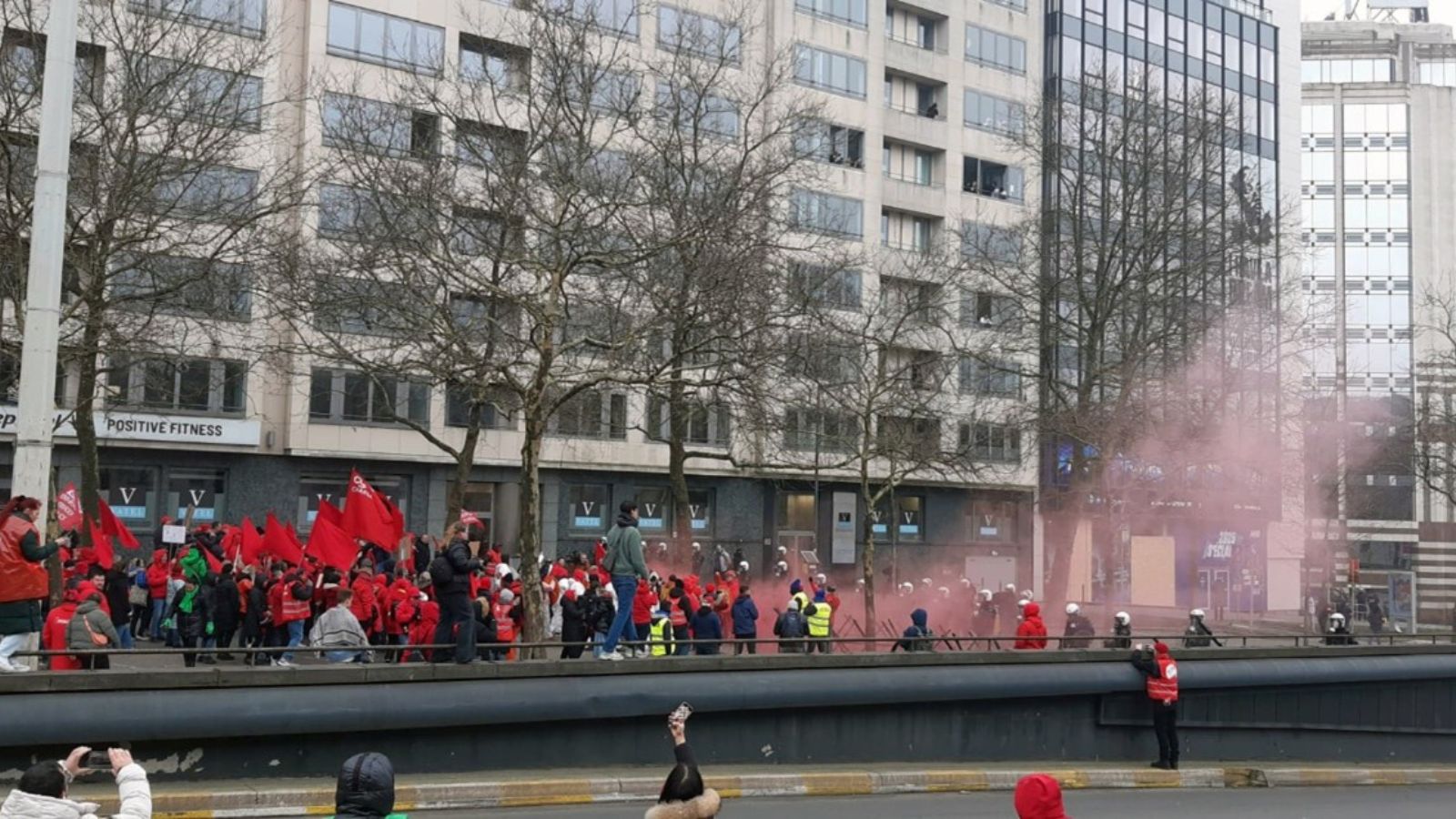
Executive Summary for the Nationwide Strike in Belgium
Belgium will experience a national strike on 12 March that is expected to disrupt transportation networks, including rail, metro, and aviation services. Protests and demonstrations are likely to concentrate in Brussels city centre and major transport hubs. Although widespread violence is unlikely, the strike may cause significant travel disruption, service cancellations, and localized public safety concerns during the peak protest period.
- Event Date: 12 March
- Location: Brussels, Belgium
- Risk Category: Civil Disturbance
- Severity Level: 3 / 5
- Confidence Score: 75 %
Operational Context
Belgium is expected to experience significant operational disruption due to a national strike announced for 12 March, coordinated by labour unions across several sectors. Historically, nationwide strike actions in Belgium lead to concentrated disruption in public transport, aviation services, and road mobility, particularly in Brussels and other major economic zones. The strike is expected to create operational pressure on businesses due to reduced workforce mobility, interruptions to logistics flows, and temporary closure of certain commercial facilities. Industrial zones and commercial centres around Charleroi and Hainaut may experience picketing activity that can delay freight operations. For companies operating in Brussels and other urban centres, the primary risks include transport cancellations, workforce absenteeism, and delayed deliveries. While these disruptions are expected to peak on strike day, residual operational impacts may continue for several days as transport services gradually return to normal.
Known Hotspots & Sensitive Zones
High-impact zones:
- Central Brussels, including Parc de Bruxelles, Place Poelaert, the European Quarter, and the Brussels-Midi rail station area, are expected to host demonstrations and gatherings.
- Airport infrastructure at Brussels Zaventem and Charleroi is also likely to experience operational disruption.
Medium-impact areas:
- Access roads to industrial zones in Hainaut and Charleroi may face pickets or slow-moving protests that affect freight movement and deliveries.
Low-impact areas:
- Peripheral municipalities outside the main protest corridors are likely to experience minimal direct impact but may face secondary congestion caused by diverted traffic.
Historically, nationwide strike actions in Belgium produce short duration but intense disruption concentrated in major economic centres.
Impact on Transportation & Services
The strike is expected to significantly affect transportation and mobility across Belgium. Rail services and metro operations may run on limited schedules, while tram and bus services in Brussels may be reduced or suspended. Air travel is likely to face the most severe disruption, with reports indicating cancelled departures from Brussels Zaventem and Charleroi airports. Road blockades or slow-moving demonstrations could also affect major highways such as the E19 and E40 corridors. For businesses, these conditions may result in employee absenteeism, delayed meetings, reduced retail footfall, and disruption to last-mile logistics and freight operations.
Recommended Action
- Organizations operating in Belgium should activate short-term business continuity measures to mitigate disruption.
- Remote working arrangements should be encouraged where possible, and non-essential travel should be postponed during the strike period.
- Companies should communicate proactively with employees regarding commute disruptions and provide flexible shift schedules where necessary.
- Logistics providers should coordinate with carriers to reroute deliveries and adjust shipment timelines.
- Close monitoring of updates issued by Belgian transport authorities and law enforcement agencies is recommended to ensure timely operational adjustments.
Multi-Dimensional Impact
The strike may amplify existing congestion caused by ongoing roadworks and infrastructure maintenance projects around Brussels and Antwerp. Increased reliance on alternative transport routes could temporarily strain regional traffic capacity and extend delivery timelines.
Emergency Contacts
- Emergency Number: 112
Situational Outlook
Over the next several days, the strike is expected to unfold as a concentrated one-day disruption with the most significant impact occurring on 12 March. Public transport networks and airports are likely to experience service cancellations and operational delays, while demonstrations in central Brussels may lead to temporary road closures and localized security incidents. In the baseline scenario, transport services gradually resume within 24–72 hours as authorities restore operations. A moderate escalation could occur if pickets expand to freight depots and industrial zones, extending logistics disruption for several days. In a less likely severe scenario, coordinated industrial action across multiple transport sectors could prolong nationwide mobility disruptions and require extended business continuity measures.
Strategic Takeaway
The national strike scheduled for 12 March represents a moderate civil disturbance risk with the potential to disrupt mobility and business operations across Belgium. While the disruption window is expected to remain short, the concentration of protests and transport stoppages in key urban centres may create operational challenges for organizations dependent on commuter travel and freight logistics. Maintaining situational awareness, workforce flexibility, and proactive communication will be critical for minimizing operational disruption. Stay ahead of operational risks with real-time alerts, scenario modeling, and expert advisories with datasurfr’s Predict. Start your 14-day free trial of Datasurfr’s Risk Intelligence Platform today.