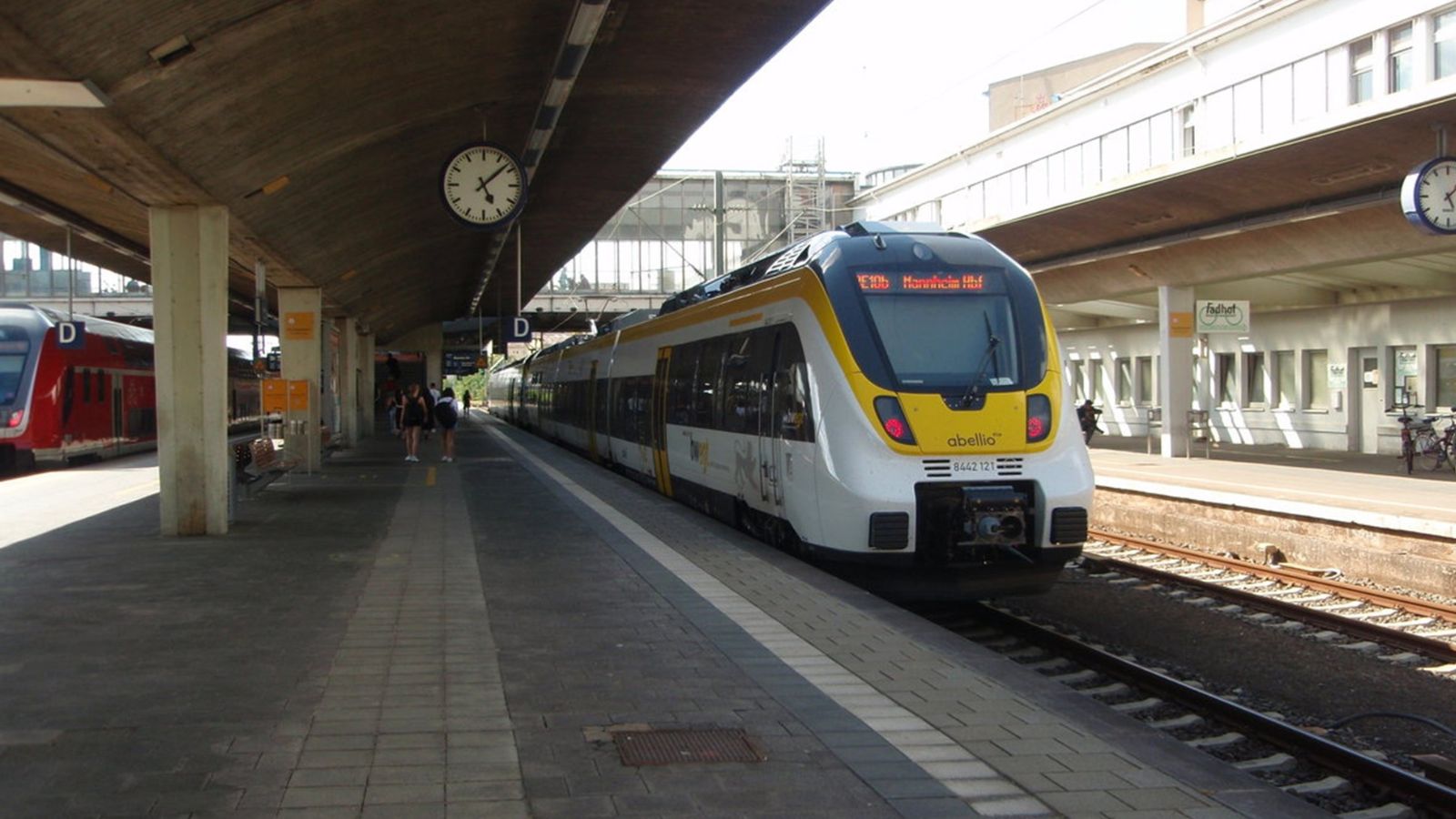
Executive Summary for the Rail Disruptions in Baden-Württemberg
Scheduled rail disruptions are expected to continue through 05 March, causing commuter delays, replacement bus deployment and potential freight rerouting. Impacts are moderate but may escalate if infrastructure faults extend restoration timelines.
- Event Date: 02-05 March
- Location: Baden-Württemberg, including Mannheim, Heidelberg, Heilbronn, Mosbach, Eberbach and Neckargemünd, Germany
- Risk Category: Travel Risks
- Severity Level: 3 / 5
- Confidence Score: 82 %
Operational Context
Rail operator notices confirm scheduled multi-line disruptions across Baden-Württemberg effective from 02 March through Thursday, 05 March 2026. Affected corridors include regional and S-Bahn services in the Rhine-Neckar metropolitan region and intercity routes connecting Mannheim, Heidelberg and Stuttgart. Historical trends in these corridors show that signal failures, overhead-line damage and planned engineering works typically result in 24–72-hour disruptions, with localized extensions up to seven days where technical complications arise. Mannheim functions as a critical freight hub, and the Mannheim–Stuttgart axis is strategically important for regional logistics flows. While no statewide emergency has been declared, recurring operational challenges in these corridors elevate travel disruption and business continuity risks during the advisory window.
Known Hotspots & Sensitive Zones
- High-impact zones: Mannheim Hauptbahnhof, Heidelberg Hauptbahnhof, Mannheim–Stuttgart freight corridor, Meckesheim–Neckargemünd line.
- Medium-impact areas: Heilbronn and Mosbach regional routes, Eberbach and surrounding feeder lines.
- Low-impact areas: Peripheral routes outside the Rhine-Neckar network.
These corridors have historically experienced recurring signal and overhead-line disruptions requiring replacement bus services and timetable restructuring.
Impact on Transportation & Services
Passenger services are operating at reduced frequencies with cancellations and rail replacement buses on select routes. Long-distance connections may skip affected stops, increasing transfer complexity. Freight movements through Mannheim may require rerouting, creating timetable knock-on effects for time-sensitive cargo. Road congestion may increase near major stations as commuters shift to taxis and private vehicles. No significant utilities damage has been reported, though infrastructure repairs may require temporary power isolation to affected rail sections. Business operations face moderate disruption through employee absenteeism, delayed meetings and shipment rescheduling.
Recommended Action
- Organizations should activate an incident response cell to monitor rail service updates in real time.
- Enable remote work for affected staff and stagger on-site shift timings to mitigate commuter congestion.
- Rebook rail-dependent freight onto regional trucking partners and pre-stage critical inventory to cover 48–72 hours of disruption.
- Communicate proactively with customers regarding revised delivery timelines.
- Engage with regional transport authorities and rail operator advisories for ongoing updates.
- Long-term strategies should include diversified logistics routing and formal mobility contingency planning.
Multi-Dimensional Impact
Prolonged rail disruption may increase road traffic volumes and emissions, elevate commuter dissatisfaction and amplify reputational pressure on operators and regional authorities if restoration timelines extend.
Emergency Contacts
- Emergency Number: 112
- Baden-Württemberg Transport Authority: vm.baden-wuerttemberg.de/en/home
Situational Outlook
The baseline scenario anticipates restoration of most passenger services within 72 hours, supported by replacement bus deployment and infrastructure repair teams. A moderate escalation could extend partial closures through 05 March if additional signal or overhead-line faults emerge, resulting in sustained freight rerouting and commuter delays across the Mannheim–Heidelberg–Stuttgart axis. A severe but lower-probability scenario would involve major infrastructure failure or concurrent industrial action, leading to week-long partial network paralysis and intensified regulatory scrutiny. Current indicators support a contained yet operationally significant travel disruption requiring close monitoring over the next several days.
Strategic Takeaway
The scheduled rail disruptions in Baden-Württemberg represent a moderate travel risk with tangible implications for commuter mobility and supply chain resilience. While widespread network collapse is unlikely, targeted corridor outages may disrupt regional business continuity. Proactive mobility planning, alternate freight routing and timely stakeholder communication remain critical. Stay ahead of operational risks with real-time alerts, scenario modeling, and expert advisories with datasurfr’s Predict. Start your 14-day free trial of Datasurfr’s Risk Intelligence Platform today.