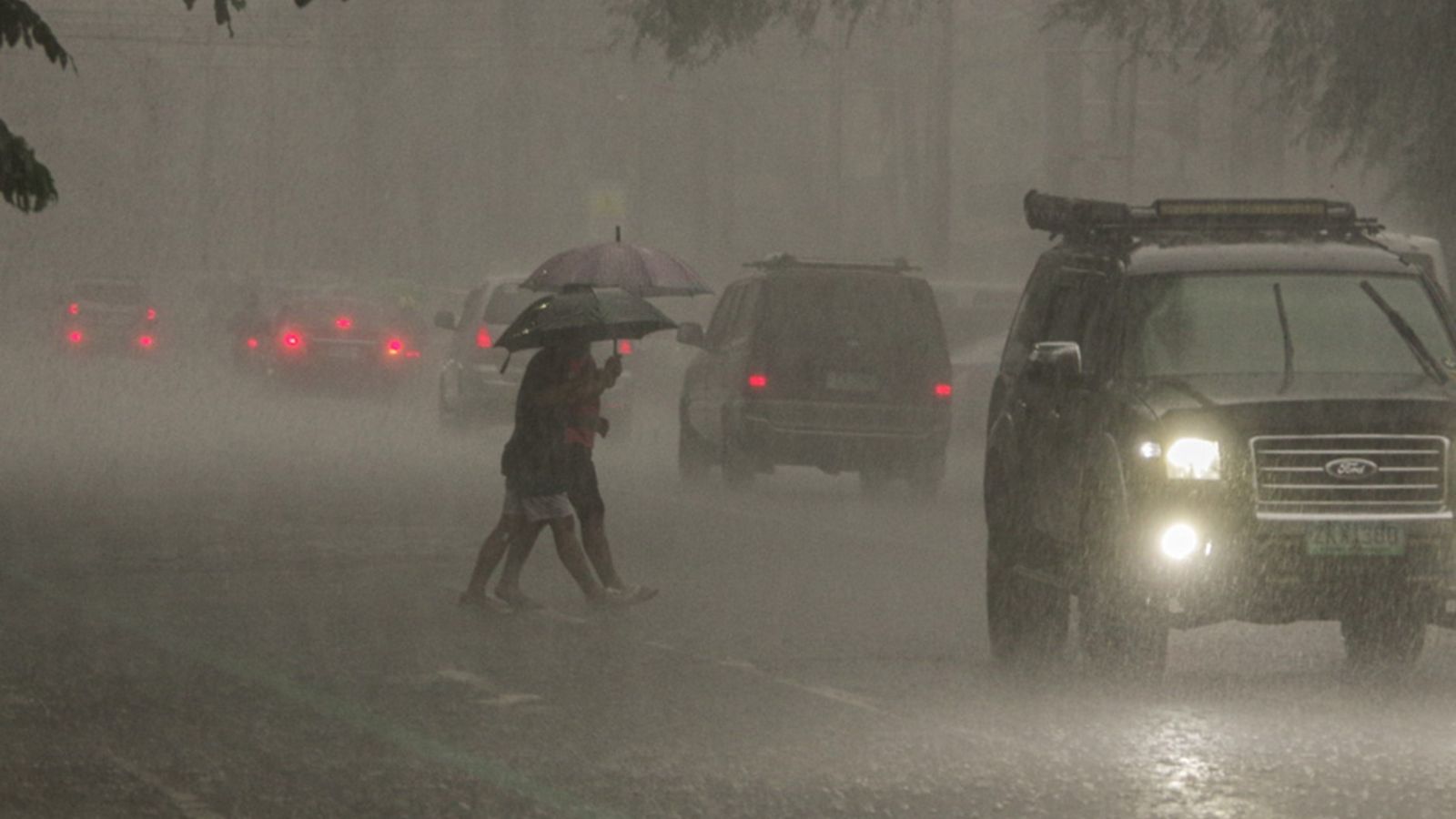
Executive Summary for the Inclement Weather in the Philippines
Localized inclement weather is expected to generate moderate rainfall, gusty winds, and potential flooding in parts of Eastern Visayas, Caraga, and Southern Luzon. Primary risks include flash floods, road closures, ferry delays, and short-term power interruptions.
- Event Date: 26 February
- Location: Philippines
- Risk Category: Environment
- Severity Level: 3 / 5
- Confidence Score: 75 %
Operational Context
PAGASA forecasts indicate localized inclement weather on 26 February 2026 affecting Eastern Visayas, Southern Luzon, and parts of Mindanao, particularly the Caraga region. The weather pattern is driven by a shear line influencing eastern sections and the prevailing northeast monsoon impacting Luzon. Based on recent January–February advisories, impactful rainfall and gusty winds are most likely within a 24–48-hour window, with intermittent heavier precipitation possible over the subsequent 72 hours. Historically, similar events have produced flash floods, temporary road inundation, and localized landslides in vulnerable barangays, particularly in the Agusan and Surigao river basins. The overall risk profile remains moderate but geographically concentrated.
Known Hotspots & Sensitive Zones
- High-impact zones: Agusan del Norte and Surigao del Norte riverine barangays; Dinagat Islands; low-lying coastal communities in Eastern Visayas; sections of the Agusan River basin.
- Medium-impact areas: Secondary provincial roads in Caraga; eastern coastal municipalities in Southern Luzon; historically flood-prone barangays along major river systems.
- Low-impact areas: Major national highways and urban centres outside primary rainfall bands.
Shear-line and monsoon episodes in February have repeatedly caused localized flooding and short-term evacuations in these regions.
Impact on Transportation & Services
Temporary road inundation and ponding are likely along low-elevation provincial roads, potentially slowing bus services and freight movement. Inter-island ferry schedules in affected Visayas and Caraga routes may experience short-term suspension during heavy squalls. Airports in eastern Visayas have historically recorded temporary ground delays during thunderstorms. Localized power outages may occur due to wind- or rain-related infrastructure strain, with minor telecommunications disruption tied to power interruptions. Retail and micro-business operations in flood-prone municipalities may face temporary closure.
Recommended Action
- Organizations should activate a weather monitoring protocol and conduct pre-operational briefings on 26 February.
- Suspend non-essential travel to affected municipalities and authorize remote work for personnel in heavy-rain zones.
- Elevate ground-level inventory, deploy temporary flood barriers, and secure external equipment.
- Confirm alternate logistics routes and coordinate with backup carriers for time-sensitive shipments.
- IT teams should verify generator readiness and failover connectivity. Maintain coordination with PAGASA, local disaster risk reduction offices, and DPWH advisories for road status updates.
- Long-term, businesses should strengthen flood resilience planning and diversify supply chain routes in recurrent monsoon-affected areas.
Multi-Dimensional Impact
Recurrent flooding in vulnerable barangays may increase community stress and strain municipal emergency resources, potentially delaying response to unrelated incidents.
Emergency Contacts
- Emergency Number: 911
- PAGASA Weather Advisory Portal: pagasa.dost.gov.ph
Situational Outlook
The baseline scenario anticipates intermittent showers and thunderstorms producing localized flooding and temporary transport disruption over the next 24–72 hours, with river levels rising but generally remaining below critical thresholds. A moderate escalation within 48–96 hours could involve persistent rainfall from shear-line enhancement or a slow-moving disturbance, leading to municipal road closures, ferry suspensions, and localized evacuations in Caraga and Eastern Visayas. A severe but lower-probability scenario would involve interaction with a developing tropical disturbance, resulting in prolonged heavy rain, river overtopping, landslides in steep terrain, and multi-day infrastructure disruption. Current indicators support a geographically contained but operationally sensitive rainfall event requiring continued monitoring through 28 February.
Strategic Takeaway
The forecast inclement weather presents a moderate environmental risk centered on flood-prone and riverine areas of the Philippines. While widespread national disruption is unlikely, localized flooding and transport delays may affect business operations and community safety. Proactive monitoring of river gauges, early travel advisories, and asset protection measures remain essential. Stay ahead of operational risks with real-time alerts, scenario modeling, and expert advisories with datasurfr’s Predict. Start your 14-day free trial of Datasurfr’s Risk Intelligence Platform today.