
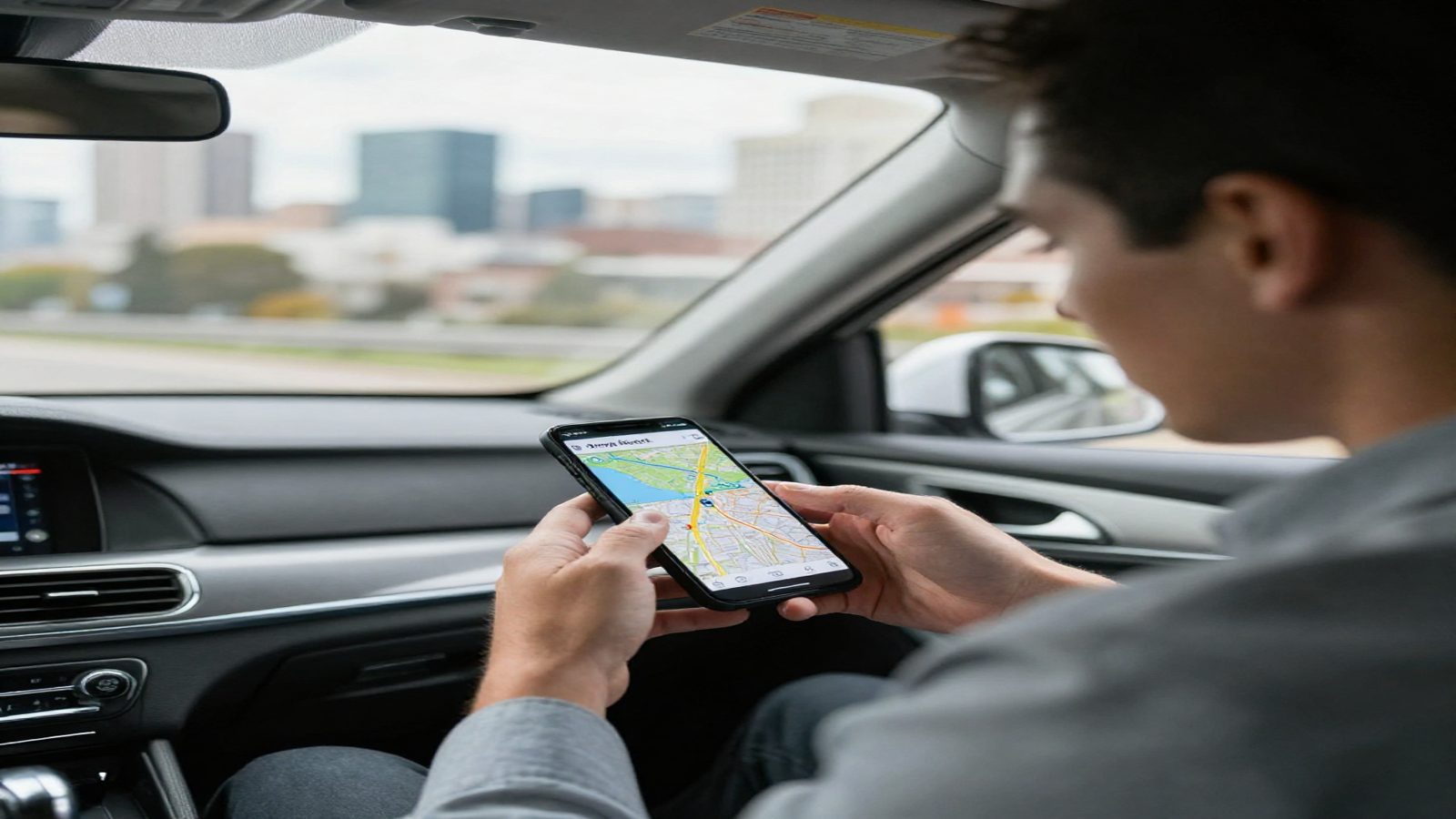
In today’s fast-changing global environment, corporate travel comes with increasing risks. From geopolitical tensions and severe weather to transportation disruptions and cybersecurity threats, organizations must now manage far more than travel schedules and itineraries.
As business travel continues to grow in 2026, companies are placing greater emphasis on duty of care — the responsibility to protect employees while they travel for work. One of the most effective tools helping organizations fulfil this responsibility is real-time travel risk alerts.
Real-time alerts provide businesses with immediate visibility into emerging threats, allowing organizations to respond quickly, protect employees, and minimize operational disruption. For multinational enterprises, these systems have become a critical part of modern travel risk management.
What Is Duty of Care in Corporate Travel?
Duty of care refers to an organization’s legal and ethical responsibility to ensure the health, safety, and well-being of employees during business travel.
This includes protecting travelers from:
- Security threats and civil unrest
- Natural disasters and severe weather
- Transportation delays and infrastructure failures
- Health emergencies and pandemics
- Cybersecurity and data privacy risks
Companies that fail to implement proper travel safety measures may face financial, legal, and reputational consequences.
What Are Real-Time Travel Alerts?
Real-time travel alerts are automated notifications that provide instant updates about risks affecting travellers and travel operations.
These alerts are generated through advanced travel risk monitoring systems that analyse live data from multiple sources, including:
- Global news and intelligence feeds
- Government travel advisories
- Airline and airport systems
- Weather forecasting services
- Traffic and transportation networks
- Social media and emergency reports
Real-time alerts help organizations monitor evolving situations and take immediate action when risks arise.
Why Real-Time Alerts Are Essential for Corporate Travelers
1. Faster Response During Emergencies
One of the biggest advantages of real-time alerts is speed. During emergencies such as protests, natural disasters, or airport shutdowns, immediate information is critical.
Real-time notifications allow organizations to:
- Reroute employees away from danger
- Delay or cancel travel plans
- Coordinate emergency support quickly
- Provide instant safety instructions
Fast response times can significantly reduce traveller exposure and improve overall safety.
2. Improved Traveler Visibility
Modern travel risk management platforms provide live visibility into employee locations and travel movements.
This helps organizations identify:
- Which employees are in affected areas
- Who may require assistance
- Safe evacuation routes and alternatives
Greater visibility improves coordination during crises and supports faster decision-making.
3. Stronger Duty of Care Compliance
Real-time monitoring strengthens corporate duty of care by helping companies proactively identify and manage risks.
Organizations can demonstrate compliance by:
- Continuously monitoring travel threats
- Providing timely traveller alerts
- Maintaining emergency communication channels
- Documenting response actions during incidents
This proactive approach helps reduce legal and reputational risks associated with employee travel.
4. Reduced Travel Disruptions
Travel disruptions can impact business operations, meetings, logistics, and workforce productivity. Real-time alerts help organizations adapt quickly to changing conditions.
Companies can use live intelligence to:
- Optimize travel routes
- Avoid high-risk areas
- Minimize delays and cancellations
- Protect business continuity
By reducing uncertainty, businesses can maintain smoother operations even during global disruptions.
5. Better Employee Confidence and Safety
Employees are more likely to feel secure while traveling when they know their organization is actively monitoring risks and providing support.
Real-time communication improves traveler confidence by ensuring employees receive:
- Instant safety updates
- Emergency guidance
- Secure communication support
- Assistance during unexpected situations
A strong duty of care program also improves employee trust and organizational reputation.
How AI Enhances Real-Time Travel Alerts
Artificial intelligence is transforming corporate travel security in 2026. AI-powered platforms can analyse large amounts of global data in seconds to detect emerging threats before they escalate.
AI systems help organizations by:
- Predicting travel disruptions
- Identifying unusual risk patterns
- Automating emergency notifications
- Providing location-specific risk alerts
- Supporting faster crisis response decisions
This combination of AI and real-time intelligence improves both efficiency and traveller protection.
Industries Benefiting from Real-Time Travel Monitoring
Several industries rely heavily on employee mobility and benefit significantly from advanced travel risk monitoring systems, including:
- Technology and IT services
- Logistics and supply chain companies
- Consulting and professional services
- Energy and infrastructure firms
- Healthcare and pharmaceutical organizations
- Manufacturing and engineering sectors
For these industries, even minor disruptions can affect operations, client commitments, and revenue.
Best Practices for Improving Duty of Care
Organizations looking to strengthen corporate travel safety should:
- Implement real-time travel monitoring platforms
- Establish emergency communication protocols
- Conduct destination risk assessments
- Integrate travel security into business continuity planning
- Use AI-powered predictive intelligence tools
- Provide employee travel safety training
A proactive and technology-driven approach helps businesses respond faster and protect employees more effectively.
The Future of Corporate Travel Risk Management
With global threats becoming more complex, real-time travel intelligence is a need for organizations responsible for managing international operations and executive mobility.
Governments and enterprises are increasingly turning to AI-driven technologies such as predictive analytics, facial recognition, smart surveillance, and automated crisis response systems to identify security, health, and geopolitical risks before they escalate.
In 2026, duty of care is no longer seen as a mere compliance requirement but a strategic business imperative, inherently tied to employee safety, operational resilience, business continuity and corporate reputation.
FAQ’s
1.Why are real-time alerts important for corporate travellers?
Real-time alerts enable organizations to be responsive quickly and efficiently to unpredictable situations in addition to safeguarding workforce members from potential risk factors.
2.What is the future of real-time travel risk management?
The future of travel risk management will be dominated by AI-driven predictive analytics, automated crisis response systems, integrated traveller tracking, and real-time intelligence platforms.
Conclusion
Real-time alerts are transforming how companies fulfil their duty of care responsibilities for corporate travelers. By providing immediate visibility into threats and enabling faster response capabilities, these systems help organizations protect employees, reduce disruptions, and strengthen travel security strategies. In an increasingly unpredictable global environment, businesses that prioritize real-time travel monitoring and proactive risk management will be better equipped to ensure employee safety and maintain resilient operations worldwide.
Share on WhatsApp