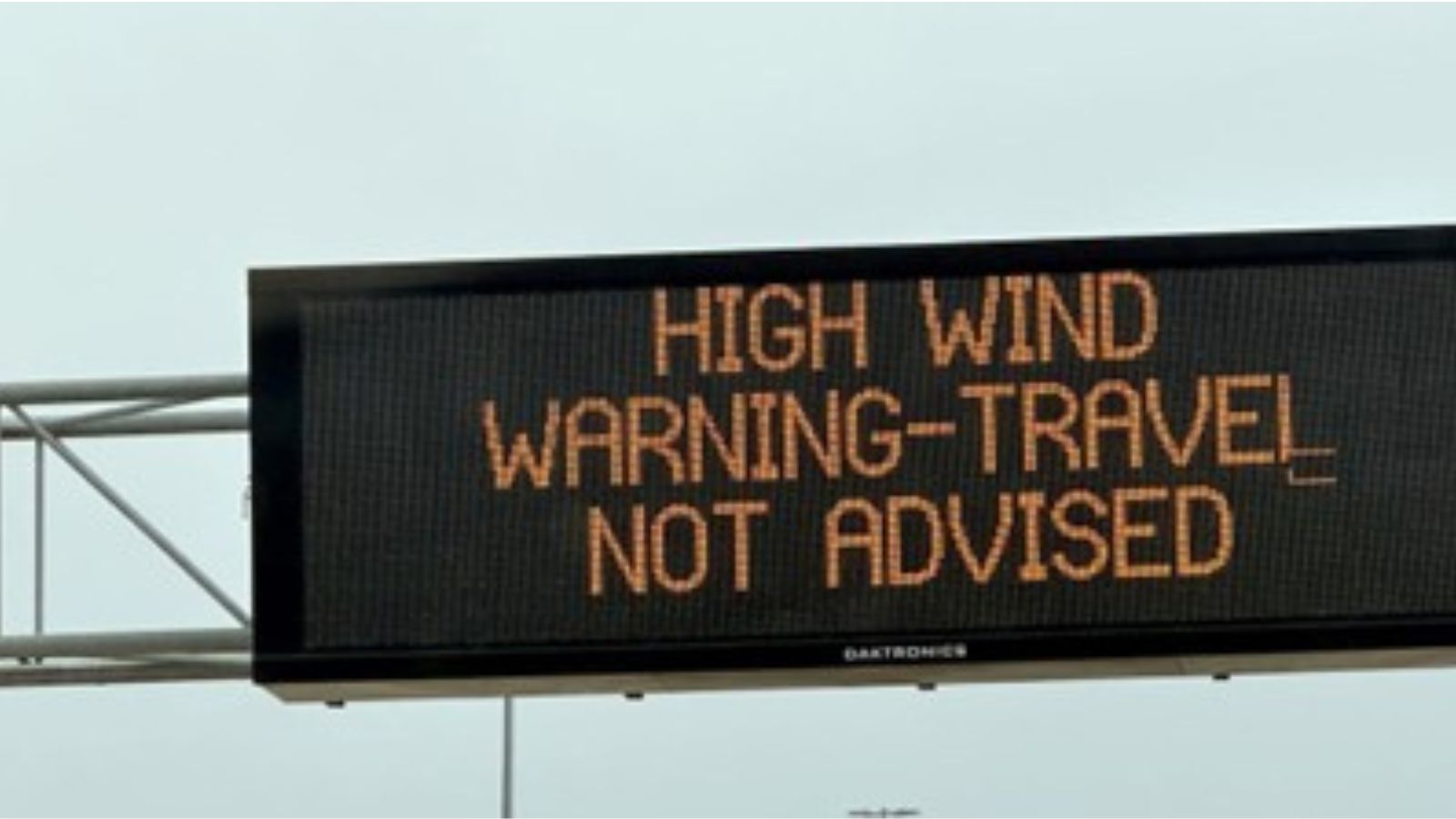
Executive Summary for the High Wind Warnings in Iowa and Nebraska
A high-wind event affecting central Nebraska and Iowa is forecast to continue through early 16 March, with peak gusts potentially reaching 60–75 mph in exposed areas. These conditions increase the likelihood of transportation disruption, temporary road closures, power outages, and localized structural damage across the region.
- Event Date: 16 March
- Location: Iowa and Nebraska, United States
- Risk Category: Environment
- Severity Level: 3 / 5
- Confidence Score: 75 %
Operational Context
A high-wind weather system is currently impacting parts of Iowa and Nebraska, with forecasts indicating sustained winds and powerful gusts across open terrain in the Great Plains region. Meteorological conditions driven by strong pressure gradients are expected to persist through early 16 March, creating an elevated risk of wind-related incidents such as overturned vehicles, falling trees, and localized infrastructure damage. For businesses operating in the region, the primary operational risk stems from disruptions to transportation networks and outdoor infrastructure. Interstate freight corridors that pass-through Iowa and Nebraska serve as critical supply chain routes connecting the Midwest with national distribution networks. High-profile vehicles such as tractor-trailers are particularly vulnerable to crosswinds, increasing the probability of highway closures or traffic restrictions. Industrial facilities, logistics hubs, and distribution centers located along major interstate corridors may also face temporary operational suspensions due to worker safety considerations and equipment protection protocols. In addition, strong winds can damage outdoor inventory, signage, and construction infrastructure, while utility lines may experience localized outages. Organizations should therefore maintain heightened situational awareness and activate short-term business continuity planning to mitigate operational disruption.
Known Hotspots & Sensitive Zones
High Impact Zones:
- Interstate corridors including I-80 across central Iowa and southern Nebraska and I-29 along western Iowa and eastern Nebraska face elevated risk of disruption due to crosswinds and potential vehicle incidents.
Medium Impact Zones:
- Northern Iowa routes such as US-20 and regional highways linking logistics hubs and agricultural areas may experience temporary travel restrictions and debris-related delays.
Low Impact Zones:
- Urban areas with stronger infrastructure resilience may experience localized disruption but are less likely to face prolonged service interruptions.
High-wind advisories in March are a recurring seasonal risk across the Great Plains due to open terrain that allows gusts to intensify.
Impact on Transportation & Services
Strong winds may disrupt road transportation, freight logistics, and airport ground operations. High-profile vehicles traveling on major interstates could face restrictions or temporary closures where accidents occur. Airports such as those serving Des Moines and Omaha may experience delays due to gust-related safety protocols. Rail operators may also introduce reduced speeds to manage debris risks along tracks. Utility infrastructure could experience scattered outages where trees or debris damage distribution lines. Businesses dependent on continuous power supply or time-sensitive logistics may face operational delays and reduced workforce mobility during peak wind periods.
Recommended Action
- Organizations should restrict non-essential travel during peak wind conditions and implement high-wind safety protocols for outdoor operations.
- Facilities managers should secure loose assets, signage, and equipment while ensuring loading docks and warehouse structures are protected.
- Companies operating distribution networks should communicate potential delays to partners and adjust delivery schedules where necessary.
- Coordination with transportation authorities and emergency management agencies will support real-time situational awareness.
- Utilities and infrastructure operators should also pre-position response teams to address power outages and debris removal.
Multi-Dimensional Impact
Freight delays along key Midwest corridors could have secondary effects on regional supply chains, particularly for time-sensitive shipments and retail distribution operations.
Emergency Contacts
- Emergency Services: 911
- National Weather Service: weather.gov/
Situational Outlook
The high-wind conditions affecting Iowa and Nebraska are expected to persist through early 16 March, with the most intense impacts occurring within the next 12–36 hours. Under a baseline scenario, sustained winds between 30–45 mph and gusts approaching 60–65 mph may lead to temporary highway restrictions, localized power outages, and minor structural damage before gradually weakening within 48 hours. A moderate escalation scenario could emerge if stronger gust corridors develop, potentially reaching 65–75 mph and causing multiple vehicle incidents, extended interstate closures, and operational suspensions at logistics hubs and distribution centers. In a less probable severe scenario, extreme gusts exceeding 75 mph may produce broader infrastructure damage, prolonged utility outages, and emergency response operations across affected counties. Continuous monitoring of meteorological alerts and transportation advisories will be essential for organizations managing operational risks during this weather event.
Strategic Takeaway
The ongoing high-wind event across Iowa and Nebraska represents a moderate environmental risk during the next 24–48 hours. Although impacts are expected to remain localized, strong gusts could cause transportation disruption, power outages, and damage to unsecured infrastructure. Businesses operating in the region should maintain proactive monitoring of weather advisories and ensure contingency plans remain in place to manage potential logistics and operational interruptions. Stay ahead of operational risks with real-time alerts, scenario modeling, and expert advisories with datasurfr’s Predict. Start your 14-day free trial of Datasurfr’s Risk Intelligence Platform today.