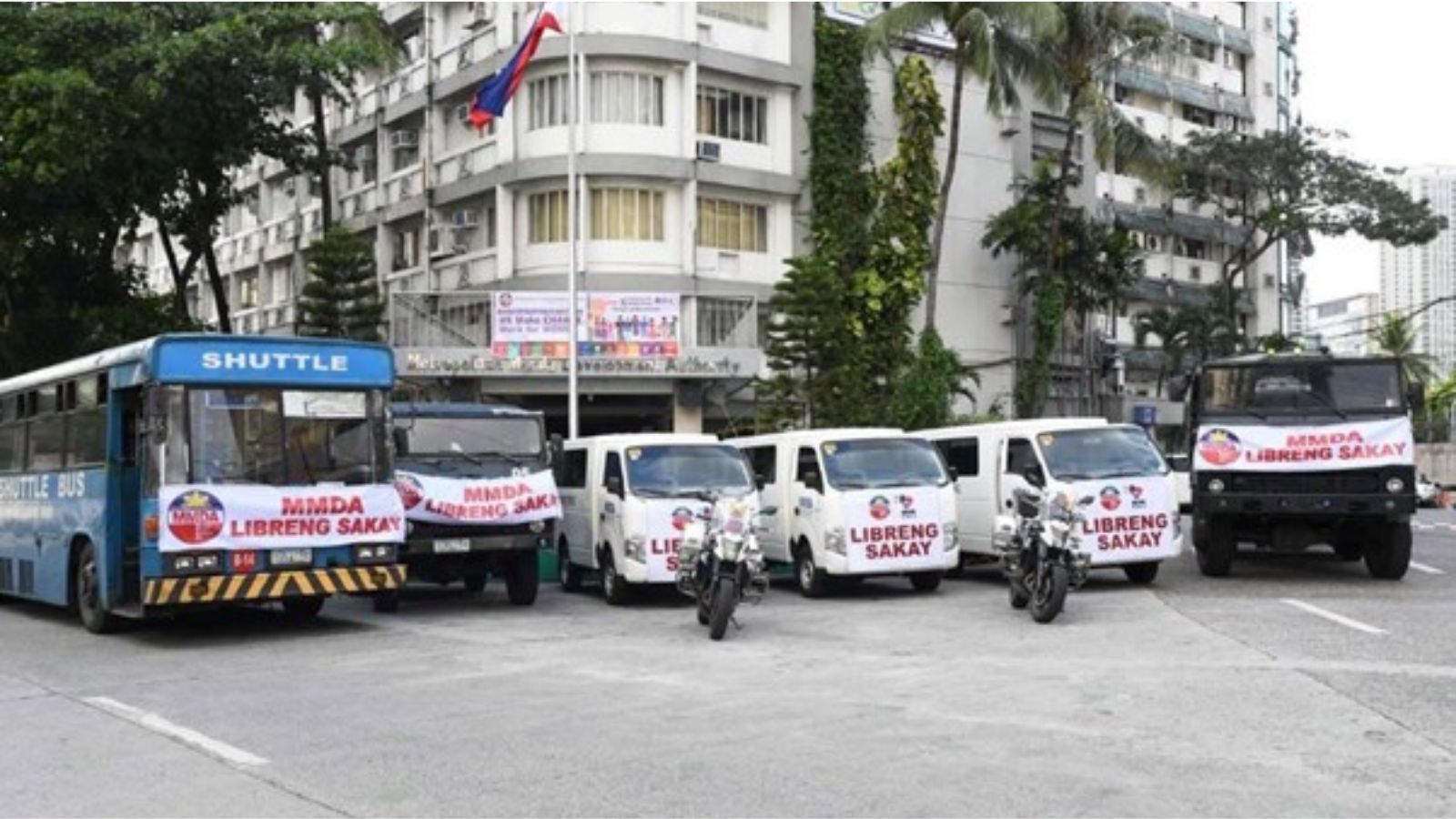
Executive Summary for Heightened Security in Metro Manila
Transport unions have continued strike actions across Metro Manila, prompting large-scale deployment of police and traffic management personnel. Disruptions are concentrated along major corridors and transit hubs, with expected impacts lasting 24–72 hours. While largely non-violent, the strike is causing significant commuter delays, localized congestion, and operational disruptions for businesses.
- Event Date: 20 March
- Location: Metro Manila, Philippines
- Risk Category: Travel Risks
- Severity Level: 3 / 5
- Confidence Score: 75 %
Operational Context
Authorities in Metro Manila have activated enhanced security and traffic management measures in response to the second day of a transport strike. The disruption primarily affects key arterial roads and transport hubs, significantly impacting workforce mobility, logistics operations, and service delivery timelines. Businesses operating in the National Capital Region (NCR) face challenges related to employee absenteeism, delayed supply chains, and increased operational costs due to rerouting and contingency transport arrangements.
Known Hotspots & Sensitive Zones
High Impact Zones:
- EDSA, Commonwealth Avenue, Quezon Avenue, Taft Avenue, and Roxas Boulevard, along with transport hubs such as NAIA terminals, MRT/LRT stations, and major bus terminals like Cubao and PITX.
Medium Impact Zones:
- Commercial districts such as Quiapo and Divisoria, where congestion and commuter overflow are common.
Low Impact Zones:
- Peripheral districts with limited reliance on affected transport routes.
Recurrence of such disruptions is common during organized transport strikes, particularly during peak commuting hours.
Impact on Transportation & Services
The strike has led to partial suspension of jeepney and public transport services, increasing pressure on alternative modes such as buses and ride-hailing services. Traffic congestion on major roads is intensifying travel delays, while rail systems face overcrowding. Logistics and last-mile delivery operations are disrupted, with delays affecting retail and supply chain timelines. Communication systems remain functional, though customer service channels are experiencing higher volumes.
Recommended Action
- Organizations should immediately activate transport disruption protocols, including remote work arrangements and staggered shifts.
- Coordination with local authorities for real-time traffic updates is essential.
- Businesses should reroute logistics operations, prioritize critical deliveries during off-peak hours, and maintain proactive communication with employees and customers.
- Long-term strategies should include strengthening business continuity planning and diversifying transport dependencies while leveraging coordination with agencies such as local police and transport authorities.
Multi-Dimensional Impact
Concurrent events such as local fires, public gatherings, and scheduled activities like the Manila Marathon may compound congestion and strain emergency response capacity. These overlapping pressures could exacerbate delays and resource allocation challenges.
Emergency Contacts
- Emergency Services: 911
Situational Outlook
Over the next 24–72 hours, commuter disruption is expected to persist, with peak-hour congestion remaining the primary challenge. While current conditions suggest controlled management by authorities, the risk of localized escalation through extended protests or blockades remains. If disruptions continue beyond three days, cumulative impacts on supply chains, workforce availability, and service delivery could intensify, requiring sustained contingency operations and adaptive response strategies.
Strategic Takeaway
The situation reflects a recurring urban mobility risk in Metro Manila, with moderate but widespread operational implications. Businesses should monitor developments closely, particularly potential escalation into prolonged disruptions. Strengthening early warning systems and adopting preparedness tools such as Datasurfr can enhance response efficiency and minimize business impact.
Stay ahead of operational risks with real-time alerts, scenario modeling, and expert advisories with datasurfr’s Predict. Start your 14-day free trial of Datasurfr’s Risk Intelligence Platform today.