Executive Summary for the Weather Forecast in South Korea
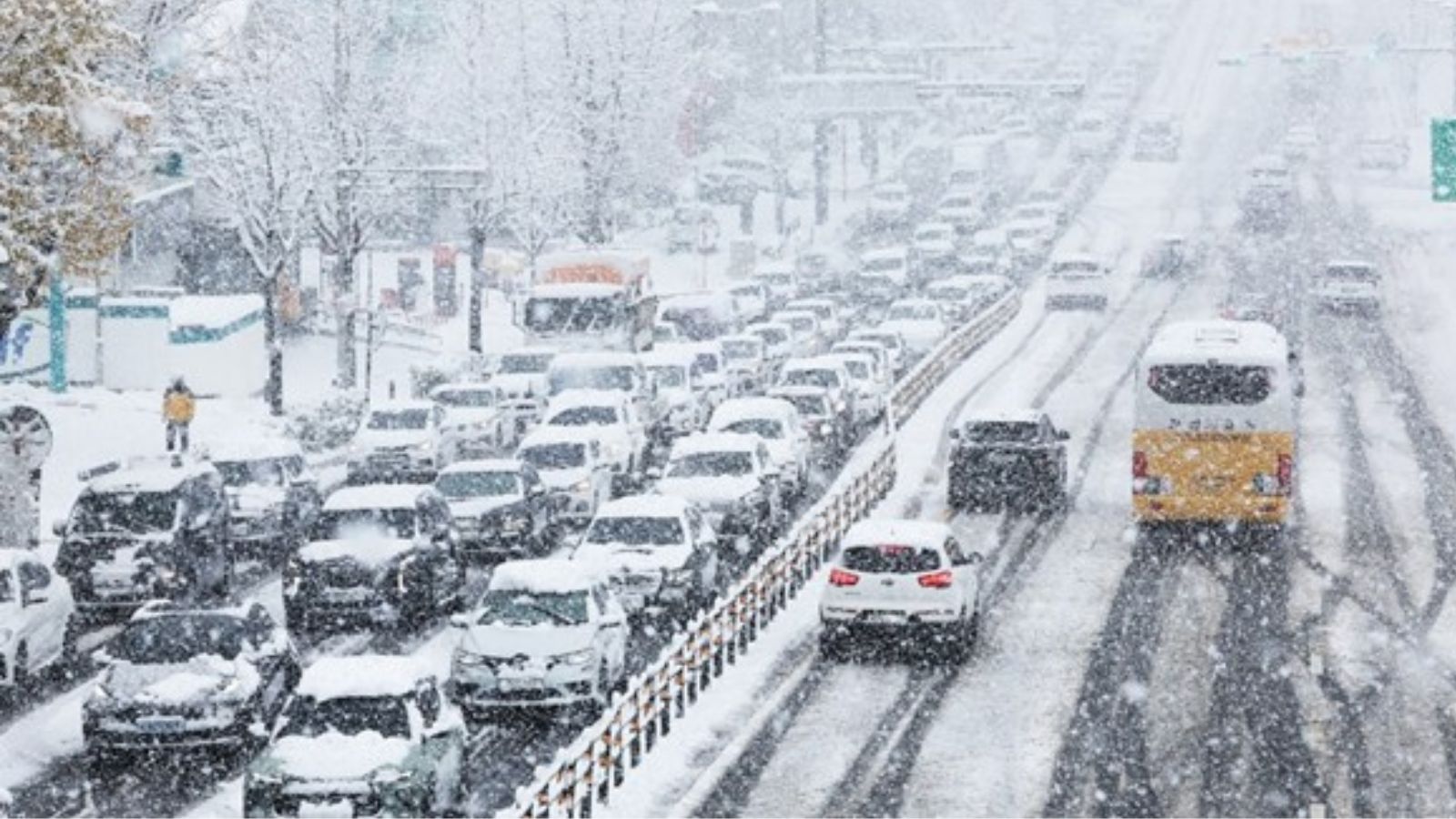
Heavy snowfall and rainfall are expected to affect multiple provinces through 25 February. Authorities have mobilized snow-removal operations. Primary risks include hazardous road conditions, localized flooding, landslides in saturated zones, commuter delays, and temporary supply chain disruption.
- Event Date: 24 February
- Location: Seoul, Incheon, Gyeonggi Province, Daegu, Jeolla Province, South Korea
- Risk Category: Environment
- Severity Level: 4 / 5
- Confidence Score: 75 %
Operational Context
Meteorological authorities have forecast sustained precipitation, including mixed snow and rain, across central and eastern South Korea beginning 24 February and continuing through 25 February. Historical winter weather patterns in Gyeongsangbuk-do, inland Gyeonggi, and Jeolla provinces indicate that orographic enhancement in higher elevations can intensify snowfall, while coastal and low-lying districts face runoff accumulation and localized flooding. The primary operational impact window is 48–72 hours, with residual disruption extending three to five days due to road clearance, infrastructure inspections, and delayed logistics normalization. Seasonal recurrence of heavy snowfall and rainfall in late winter increases probability of traffic incidents and short-term power outages.
Known Hotspots & Sensitive Zones
- High-impact zones: Inland and elevated districts of Gyeongsangbuk-do including Yeongju and Andong; mountain passes and provincial highways; Pohang coastal industrial access routes vulnerable to runoff.
- Medium-impact areas: Seoul metropolitan commuter corridors, Han River Park zones during heavy rainfall, and Daegu intercity connections.
- Low-impact areas: Urban centres with established snow-clearing infrastructure and limited elevation exposure.
Recurring winter precipitation events in these provinces have historically resulted in vehicle rescues, temporary road paralysis, and isolated power interruptions.
Impact on Transportation & Services
Snow and ice accumulation are expected to slow expressway traffic and disrupt provincial road connectivity, particularly in mountain passes. Intercity bus and commuter rail services linking Daegu, Yeongju, Andong, and Pohang may face delays or short-term suspension. Local school transport and municipal bus services could be paused in heavily affected districts. Logistics operations may experience 24–72-hour freight delays due to road advisories and rerouting. Localized utility outages are possible where heavy snow or saturated soils affect distribution lines. Businesses should anticipate workforce absenteeism, restricted site access, and temporary shipment backlog.
Recommended Action
- Organizations should activate severe weather response protocols and convene incident response teams immediately.
- Mandate remote work for non-essential staff and implement staggered shifts for critical functions.
- Pre-position snow removal equipment, inspect roof drainage systems, and verify generator fuel levels.
- Elevate sensitive inventory in low-lying warehouses and secure outdoor equipment against snow load.
- Suspend non-essential deliveries on affected routes and coordinate with third-party logistics providers for contingency routing.
- Monitor advisories from the Korea Meteorological Administration and municipal authorities for real-time updates and compliance guidance.
Multi-Dimensional Impact
Extended precipitation may delay routine infrastructure maintenance and strain emergency services, potentially slowing response to unrelated incidents during peak weather intensity.
Emergency Contacts
- Emergency Number: 119
- Korea Meteorological Administration: kma.go.kr
Situational Outlook
The most probable scenario involves moderate snowfall inland and mixed precipitation in metropolitan areas, resulting in commuter delays, minor accidents, and short-term utility interruptions over the next 48–72 hours. A moderate escalation could occur if precipitation intensifies in elevated terrain, triggering slope instability and temporary closure of provincial highways for up to 48 hours, extending logistics recovery to five days. Severe escalation remains lower probability but would involve prolonged heavy rainfall combined with significant snow accumulation, causing widespread flooding, landslides, and infrastructure damage that disrupts regional supply chains for one week or longer. Current forecast alignment supports a contained but operationally sensitive weather event requiring sustained monitoring through 28 February.
Strategic Takeaway
The forecasted heavy snowfall and rainfall represent a moderate-to-high environmental risk across central and eastern South Korea. While impacts are expected to be time-bound, hazardous road conditions, flooding risk, and logistics disruption warrant proactive mitigation. Organizations should emphasize workforce safety, infrastructure readiness, and contingency routing. Stay ahead of operational risks with real-time alerts, scenario modeling, and expert advisories with datasurfr’s Predict. Start your 14-day free trial of Datasurfr’s Risk Intelligence Platform today.