Operational Context
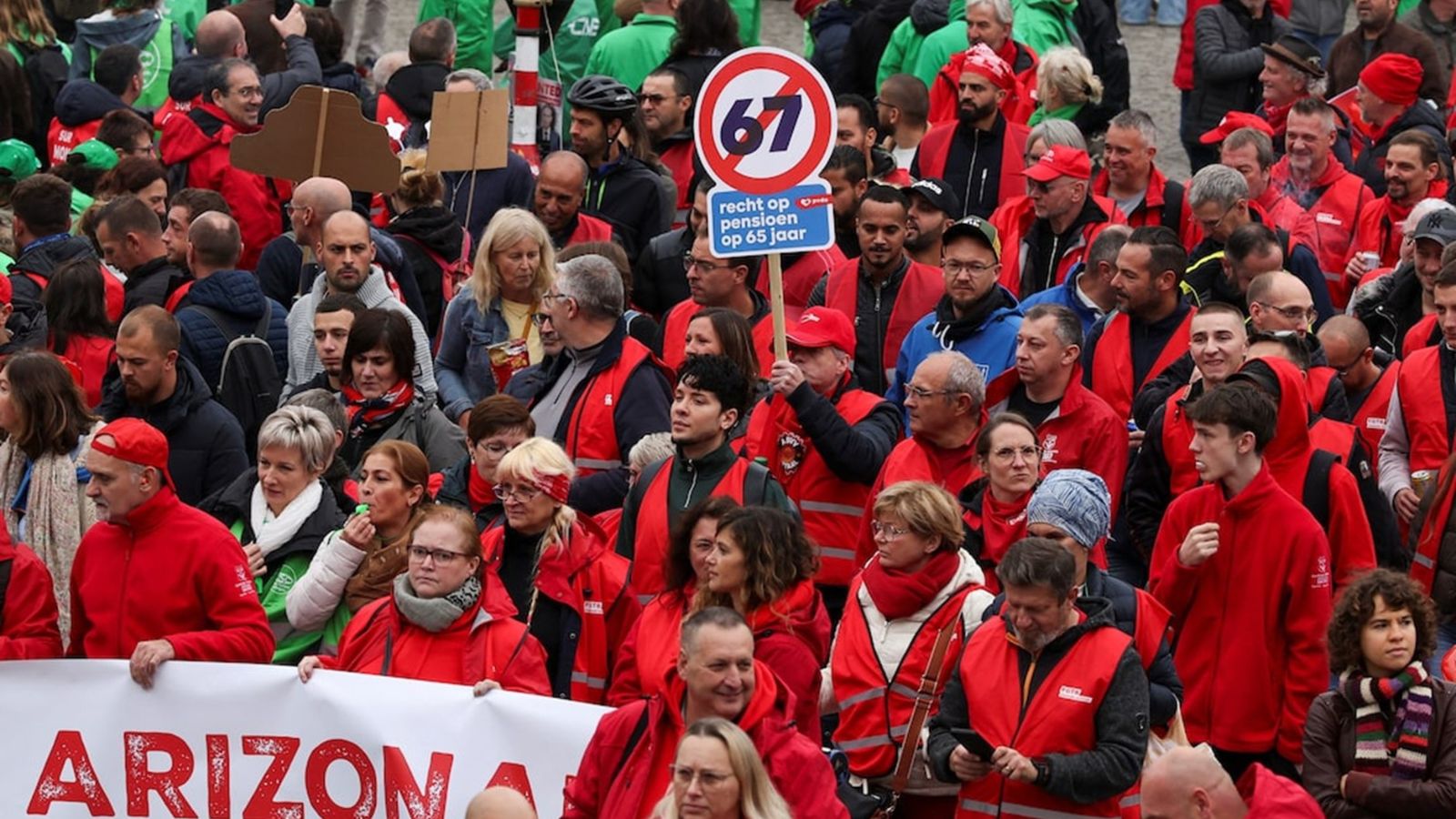
Belgium has experienced repeated nationwide and sector-specific strikes over the past year, with Brussels consistently serving as the focal point for demonstrations and coordinated walkouts. Historical strike activity during 2024–2025 indicates predictable but severe impacts on public transport, municipal services and access to central administrative districts. These events typically involve coordinated action by transport unions, public-sector workers and waste-collection services, resulting in multi-day operational backlogs even after the formal strike day concludes. Central Brussels corridors, EU institutional zones and major rail hubs have shown recurring vulnerability due to their symbolic, political and logistical importance, making advance continuity planning essential for organizations operating in or transiting the city.
Executive Summary
- Event Date: 15 December
- Location: Brussels, Belgium
- Risk Category: Civil Disturbance
- Severity Level: 4 / 5
- Confidence Score: 80 %
A general strike planned for Monday, 15 December is likely to cause severe disruption to public transport, road access and selected municipal services in Brussels. Impacts are expected to peak within 24–72 hours, with residual effects lasting up to seven days for transport normalization and waste collection.
Known Hotspots & Sensitive Zones
- High Impact Zones: Rue de la Loi/Wetstraat within the EU quarter, Boulevard Anspach/Anspachlaan, Place de la Bourse/Beursplein, Rue Royale/Koningsstraat and major rail hubs such as Brussels-Central and Gare du Midi.
- Medium Impact Zones: Surrounding commercial districts, retail corridors and feeder roads to central Brussels.
- Low Impact Zones: Outer residential communes, though spill-over congestion may occur.
These locations have repeatedly hosted demonstrations during national strikes, particularly in winter months when public-sector actions are more frequent.
Impact on Transportation & Services
Public transport disruption is expected to be severe, with high likelihood of metro, tram and bus suspensions or reduced STIB services, alongside SNCB regional train cancellations. Road networks may experience localized blockages due to demonstrations and pickets, delaying emergency response and commercial traffic. Brussels Airport and Charleroi Airport have historically reduced operations during nationwide strikes, with flight cancellations and ground-handling delays possible. Business operations reliant on staff presence, just-in-time logistics or municipal services such as waste collection are likely to experience interruptions, access constraints and customer service delays.
Recommended Action
- Organizations should activate strike-day continuity plans at least 48 hours in advance, prioritizing remote work for non-essential staff and defining minimum on-site staffing.
- Logistics should be rerouted via alternative depots outside Brussels, with critical supplies stockpiled for 48–72 hours.
- Security teams should secure sensitive assets, enhance CCTV monitoring and coordinate with local police.
- Proactive stakeholder communications outlining revised service expectations and emergency contacts are strongly advised.
Multi-Dimensional Impact
While the strike is unlikely to affect incidents outside Brussels, it may delay emergency services within the city if roads are obstructed. Waste-collection backlogs could create short-term public health and sanitation concerns in affected communes.
Emergency Contacts
- Brussels Police (Non-Emergency): 101
- Emergency Services: 112
- STIB Customer Info: 070-23-2000
- SNCB Rail Information: 02/607 30 00
Situational Outlook
The most likely scenario involves a controlled but highly disruptive one-day strike with reduced transport services and localized demonstrations in central Brussels. A moderate escalation could extend disruptions for several days through rolling actions and service backlogs, while a severe escalation may evolve into multi-day nationwide strikes with heightened security measures and broader economic impact.
Strategic Takeaway
The planned general strike presents a medium-to-high civil disturbance risk for Brussels, with clear implications for mobility, logistics and business continuity. Early activation of contingency plans, clear communications and real-time situational monitoring will be critical. Leveraging preparedness and early-warning platforms such as MitKat’s Datasurfr can support timely decision-making and reduce operational exposure during the disruption window.Stay ahead of operational risks with real-time alerts, scenario modeling, and expert advisories with datasurfr’s Predict. Start your 14-day free trial of Datasurfr’s Risk Intelligence Platform today.