Operational Context
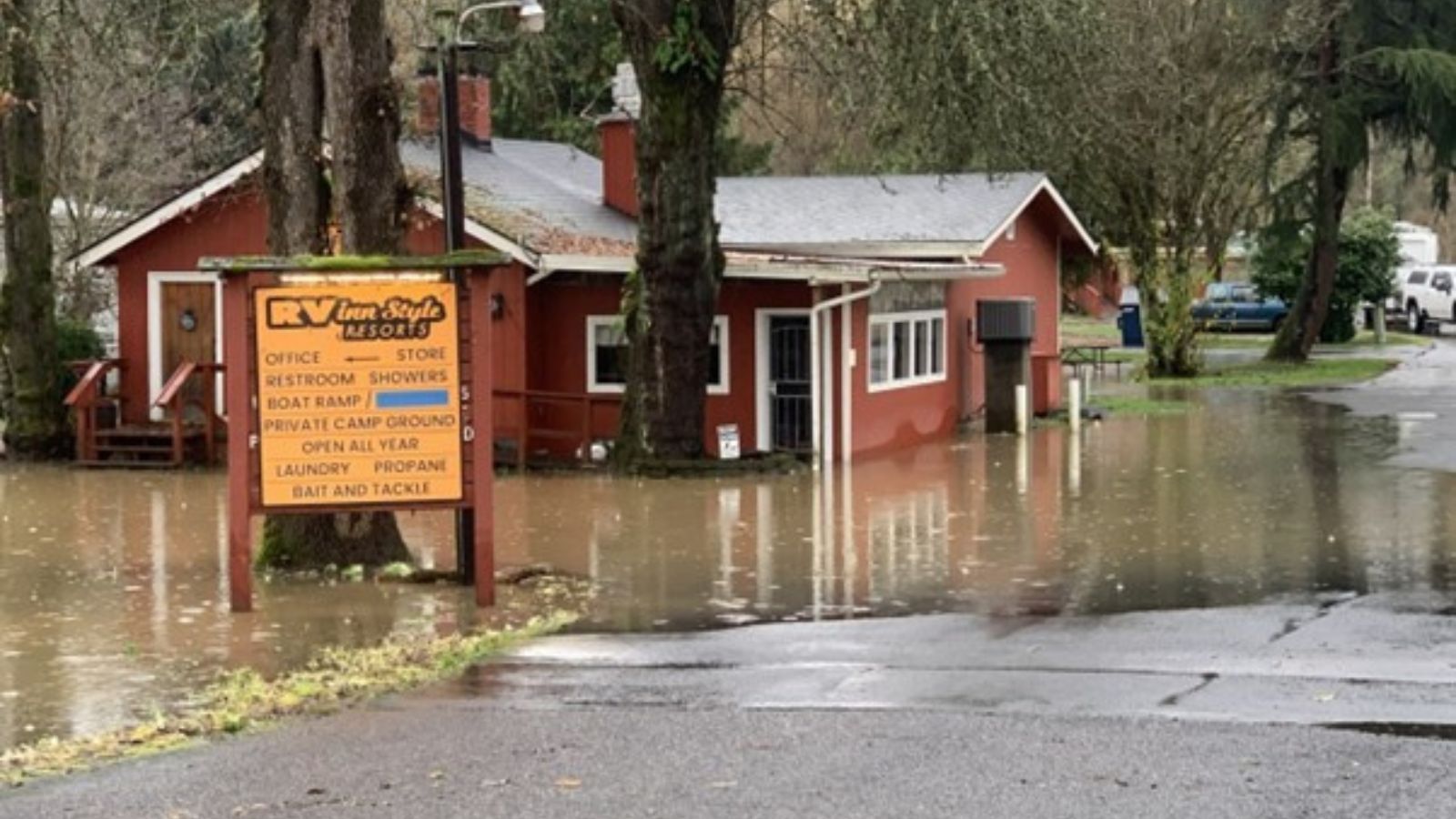
Western Oregon is highly susceptible to atmospheric river systems during winter months, which deliver prolonged, high-intensity rainfall to already saturated watersheds. Between 2024 and 2025, similar events repeatedly caused urban flooding, river overtopping, landslides and infrastructure disruption across the Willamette Valley and Columbia River corridor. Portland’s low-lying neighborhoods, aging stormwater systems and proximity to major rivers increase vulnerability, particularly where runoff converges with commuter and freight routes. These events typically generate cascading impacts across transport, power and emergency services, requiring coordinated response from municipal, state and federal agencies.
Executive Summary
- Event Date: 15-20 December
- Location: Portland, Oregon, United States
- Risk Category: Environment
- Severity Level: 4 / 5
- Confidence Score: 78 %
An active atmospheric river is forecast to bring heavy rainfall, gusty winds and elevated river levels across Oregon through Saturday, 20 December. Impacts are expected to peak over the next 48–96 hours, with localized flooding, transport disruption and utility outages likely.
Known Hotspots & Sensitive Zones
- High Impact Zones: Willamette River waterfront, Columbia River Gorge corridors, burn-scarred hillsides in East Multnomah County and low-lying neighborhoods such as St. Johns, Lents and Sellwood-Moreland.
- Medium Impact Zones: Urban tributaries, downtown Portland and major commuter corridors near the Willamette and Columbia rivers.
- Low Impact Zones: Higher-elevation residential districts, though runoff-driven congestion may spread.
These locations show seasonal recurrence during winter atmospheric river events.
Impact on Transportation & Services
Flooding is likely to affect major highways including I-5, I-205 and US-26, with temporary closures, lane restrictions and freight delays. Local arterials such as NE Marine Drive and SE Powell Boulevard are prone to standing water. Rail freight through the Columbia River Gorge may face slow orders if track inundation occurs, while ground access to Portland International Airport could be delayed during peak rainfall. Power outages from wind-driven tree falls and stormwater or sewer backups may disrupt business operations, limit facility access and strain emergency response capabilities.
Recommended Action
- Organizations should activate emergency operations plans, authorize remote work for affected staff and conduct employee welfare checks.
- Critical assets and inventory should be elevated or relocated from flood-prone facilities, and non-essential utilities safely shut down where appropriate.
- IT continuity measures, including offsite backups and communication redundancy, should be verified immediately.
- Coordination with local emergency management, transportation departments and utility providers is advised to support routing decisions and facility safety.
Multi-Dimensional Impact
Emergency services may experience increased call volumes and resource strain, potentially delaying response to unrelated incidents. Sheltering needs and temporary displacement could impact public health and community services during peak flooding periods.
Emergency Contacts
- Emergency Services: 911
- Oregon Office of Emergency Management: oregon.gov/oem/pages/default.aspx
- National Weather Service: weather.gov/
Situational Outlook
The most likely scenario involves localized urban flooding, short-term road closures and isolated power outages through Saturday, followed by gradual normalization. A moderate escalation could produce multi-day transport disruptions and infrastructure repairs, while a severe scenario would involve major river flooding, landslides and prolonged recovery requiring state or federal assistance.
Strategic Takeaway
Th The flooding risk across Oregon represents a moderate-to-high environmental threat with clear implications for public safety and operational continuity. Continuous monitoring, early action and coordinated response are essential. Leveraging early-warning and preparedness platforms such as MitKat’s Datasurfr can enhance situational awareness and support timely decision-making throughout the risk window. Stay ahead of operational risks with real-time alerts, scenario modeling, and expert advisories with datasurfr’s Predict. Start your 14-day free trial of Datasurfr’s Risk Intelligence Platform today.