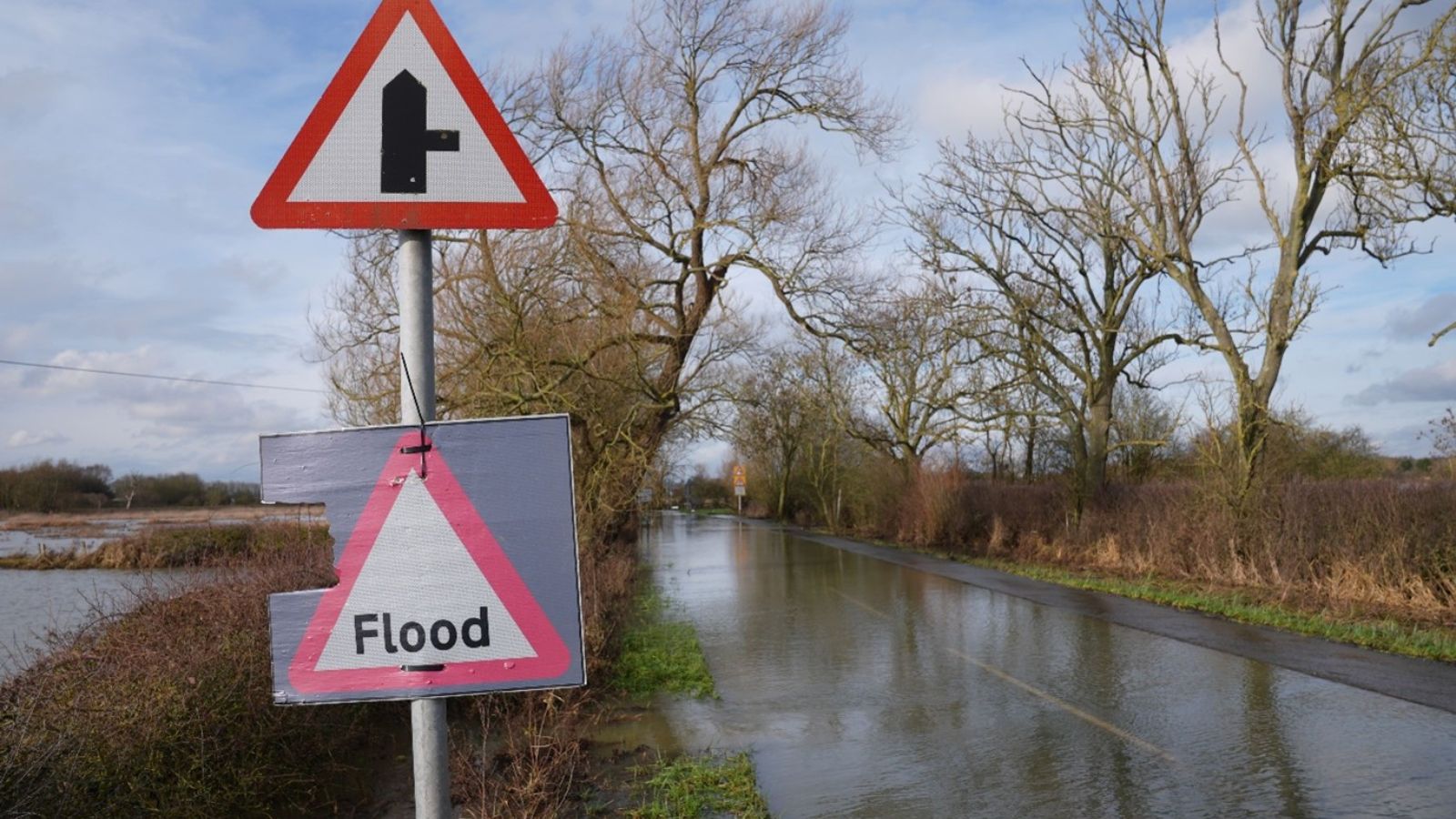
Executive Summary for the Severe Weather Forecast in the UK
Forecast models indicate a concentrated twenty-four to seventy-two-hour window of elevated flood risk across parts of the UK due to a deep Atlantic frontal system. Peak impacts are expected within the first forty-eight hours, with residual river and surface-water flooding persisting for up to three days. Severity is assessed as moderate overall, with localized severe impacts possible in flood-prone river valleys and coastal areas. Confidence is high due to consistent Met Office and Environment Agency warnings and strong historical analogues.
- Event Date: 10 February
- Location: England, Scotland and Wales, United Kingdom
- Risk Category: Environment
- Severity Level: 3 / 5
- Confidence Score: 78 %
Operational Context
The United Kingdom experiences recurrent winter flooding driven by Atlantic frontal systems, with western England, Wales and parts of Scotland historically most exposed due to saturated catchments, river valleys and low-lying coastal plains. February events frequently coincide with elevated river levels following earlier winter rainfall, increasing the likelihood of surface-water flooding, river overspill and transport disruption. Past incidents demonstrate that even moderate rainfall alerts can escalate rapidly into localized severe impacts where drainage capacity and tidal conditions align.
Known Hotspots & Sensitive Zones
- High Impact Zones: Cornwall, parts of Wales, Worcestershire and sections of Scotland under yellow to amber warnings. River Severn, River Avon and coastal estuaries in North Wales are particularly exposed.
- Medium Impact Zones: Surrounding transport corridors and urban centres with known surface-water flooding issues, including Truro and Worcester.
- Low Impact Zones: Inland regions with higher elevation and limited floodplain exposure.
Seasonal recurrence during December to February increases baseline vulnerability.
Impact on Transportation & Services
Road transport is most affected, with likely closures and diversions on corridors such as the A38, A30 and M5, particularly near low-lying junctions and river crossings. Rail services face speed restrictions or short-term suspensions on lines crossing floodplains, while coastal ferry and local bus services have issued timetable adjustments. These disruptions are expected to cause short-term business interruption, delayed logistics and reduced workforce mobility. Digital and communications services remain operational, though localized power-related telecom outages are possible.
Recommended Action
- Organizations should activate flood response and business continuity plans, prioritising staff safety and asset protection.
- Immediate measures include issuing travel advisories, enabling remote work, securing ground-floor assets and deploying temporary flood barriers at high-risk sites.
- Logistics routes should be reviewed and alternative suppliers validated.
- Engagement with the Environment Agency, Met Office alert services, local councils and emergency responders is advised for real-time updates and compliance.
- Longer-term actions include reviewing site flood resilience and incorporating early-warning tools into operational planning.
Multi-Dimensional Impact
Ongoing infrastructure works and local industrial actions could amplify disruption if flooding diverts traffic onto constrained routes, increasing congestion, service delays and public health risks in affected communities.
Emergency Contacts
- Emergency Number: 112
- Met Office: metoffice.gov.uk/
Situational Outlook
The most likely scenario involves localized flooding with short-term transport and business disruption lasting one to three days. A moderate escalation remains possible if rainfall persists or coincides with high tides, while a severe, prolonged event is assessed as low probability but would significantly strain transport, utilities and emergency services.
Strategic Takeaway
The forecast flooding represents a recurring seasonal risk with manageable but time-sensitive impacts. Proactive preparation, clear communication and real-time monitoring will be critical to limiting disruption. For businesses and policymakers, investment in early-warning systems and preparedness platforms such as MitKat’s Datasurfr remains essential to enhancing resilience against increasingly frequent severe weather events.
Stay ahead of operational risks with real-time alerts, scenario modeling, and expert advisories with datasurfr’s Predict. Start your 14-day free trial of Datasurfr’s Risk Intelligence Platform today.