Operational Context
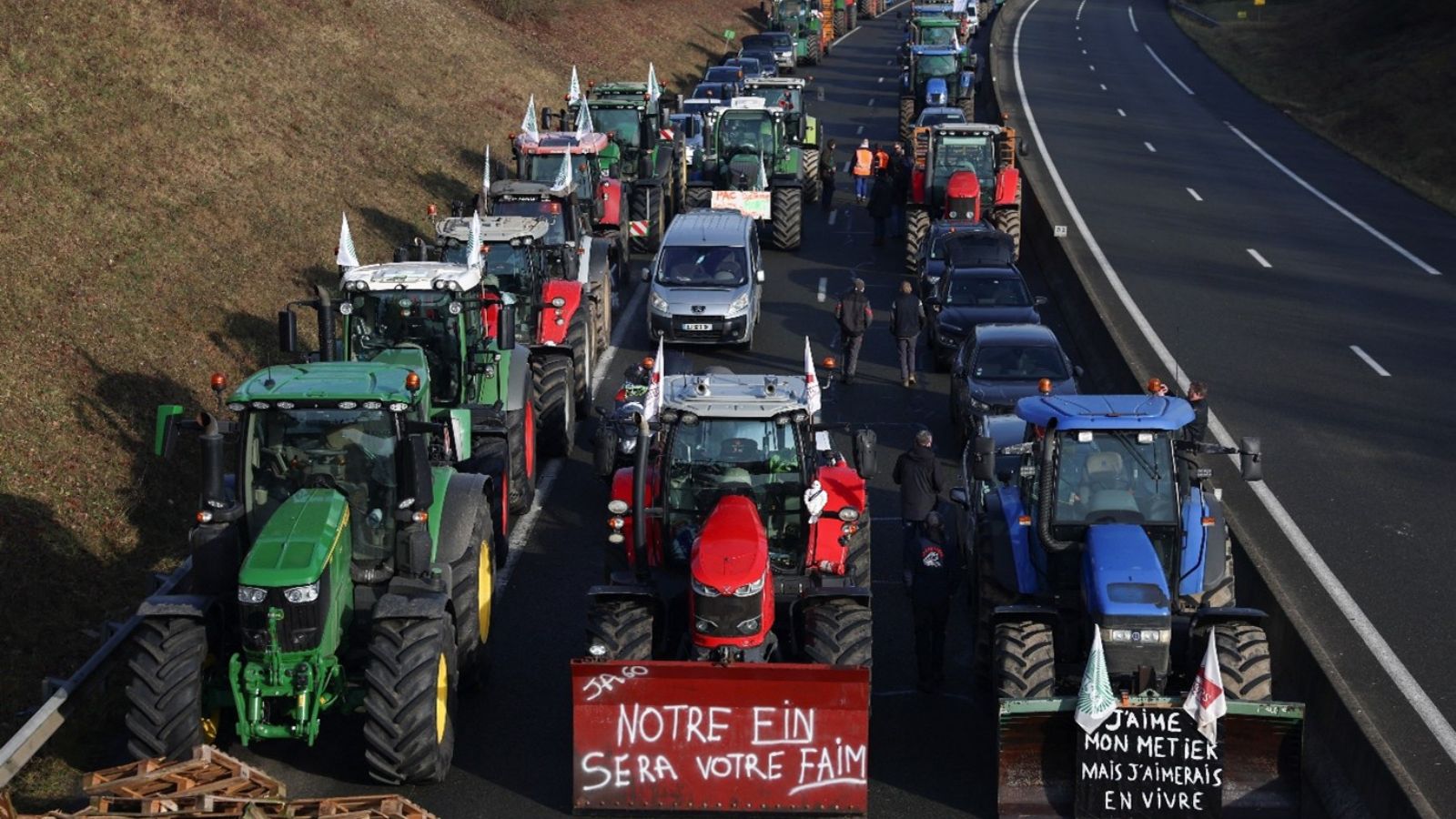
France has a recurring pattern of agricultural protests using high-visibility transport infrastructure to apply pressure on authorities, particularly in northern border regions where motorway corridors are critical to European freight flows. Tractor blockades and toll obstructions are established tactics, typically producing concentrated but time-bound disruption. The Hauts-de-France region, with dense logistics hubs and cross-border traffic, is especially exposed to short-notice mobility and supply-chain shocks during such actions.
Executive Summary
- Event Date: 09 January
- Location: Northern France, Franco-Belgian border near Lille, Tourcoing, Comines and Kortrijk axis
- Risk Category: Civil Disturbance
- Severity Level: 3/ 5
- Confidence Score: 75 %
Farmers have announced blockades of two autoroutes at the Franco-Belgian border for Friday, 09 January. Based on historical precedent, the most likely outcome is a 24–72 hour period of concentrated disruption on the E19/E17 and connected corridors, with potential for rolling actions over the following one to two weeks. Impacts are expected to be moderate, driven primarily by freight delays, commuter congestion, and localized access restrictions rather than widespread violence. While the risk of serious casualties is low, isolated confrontations, traffic accidents, and minor property damage near tolls and border points remain plausible.
Current Updates
Local reporting indicates planned blockades on Friday with tractors and slow-moving convoys positioned near border autoroutes. Authorities are expected to deploy police and gendarmerie units, implement traffic diversions, and maintain emergency access lanes. Logistics operators have begun advising drivers to avoid affected routes and prepare alternative crossings.
Known Hotspots & Sensitive Zones
- High-impact zones: E19/A22 corridor near Tourcoing and Comines, the E17 axis toward Kortrijk, and associated toll plazas and customs approaches.
- Medium-impact areas: Logistics parks and distribution centres in Roubaix, Villeneuve-d’Ascq, and Lille’s metropolitan periphery.
- Low-impact areas: Interior urban zones away from motorway access points.
Similar protests in recent years have repeatedly focused on these same border junctions, particularly during winter policy negotiations.
Impact on Transportation & Services
Motorway blockades are expected to cause significant delays for heavy goods vehicles and passenger traffic, with spillover congestion on alternative routes such as the A1, A25, A26 and departmental roads. Cross-border supply chains, especially perishables and just-in-time industrial deliveries, face elevated disruption risk. Public transport within the Lille metropolitan area may experience secondary delays if demonstrations extend toward urban approaches. Digital services and utilities are likely to remain operational, though operations centres may experience increased coordination and rerouting demand.
Recommended Action
- Businesses should activate incident response and logistics contingency plans, reroute freight away from E19/E17 corridors, and pre-position inventory at backup depots.
- Workforce travel advisories, remote work options, and staggered shifts are recommended for staff commuting through affected areas.
- Close coordination with local authorities, traffic police, and logistics partners is advised, supported by continuous monitoring via official road and emergency information portals.
Multi-Dimensional Impact
If blockades persist or coincide with other labour or transport actions, cumulative effects could amplify supply-chain delays, workforce absenteeism, and regional economic pressure.
Emergency Contacts
- Emergency Services: 112
- Traffic Information: bison-fute.gouv.fr
Situational Outlook
The most likely outlook over the next 24–72 hours is a controlled but disruptive blockade concentrated at border autoroutes, with police-managed diversions and gradual dispersal. A moderate escalation involving rotating or extended actions across additional crossings is plausible, while a severe, multi-week disruption remains a lower-probability scenario.
Strategic Takeaway
The announced farmers’ blockades represent a moderate civil disturbance risk with high relevance for cross-border logistics and regional commerce. Businesses should prioritise route diversification, proactive communication, and staff safety. Early-warning and monitoring tools such as MitKat’s Datasurfr can enhance situational awareness and enable faster, data-driven response as conditions evolve.
Stay ahead of operational risks with real-time alerts, scenario modeling, and expert advisories with datasurfr’s Predict. Start your 14-day free trial of Datasurfr’s Risk Intelligence Platform today.