Executive Summary for Canadian PM’s Visit to New Delhi
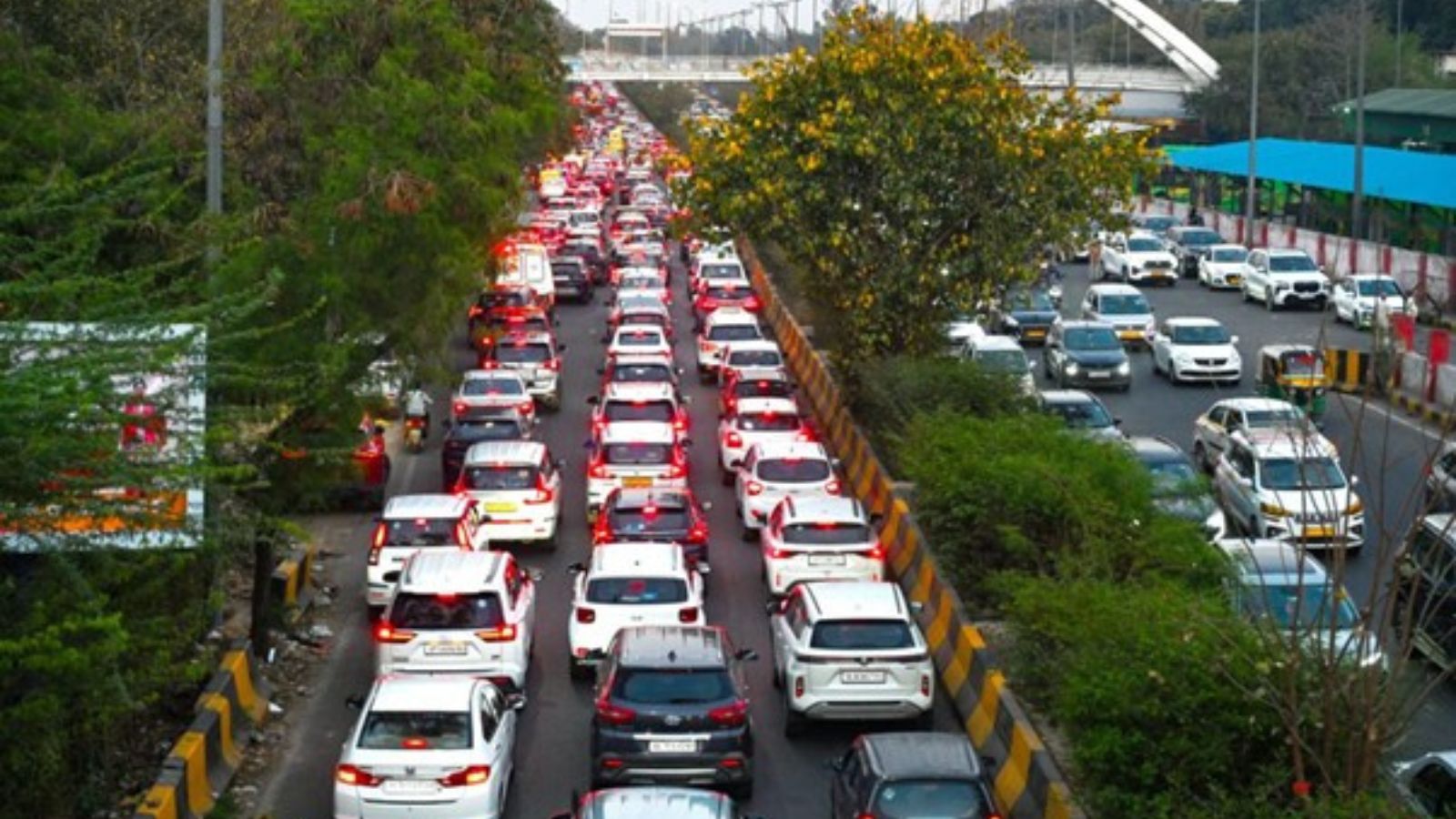
A high-profile bilateral meeting between the Prime Minister of India and Canadian Prime Minister Mark Carney is scheduled in New Delhi on 02 March 2026. The visit is expected to result in short duration but significant traffic diversions, security cordons and possible localized protests. Impacts will primarily affect commuter mobility, airport transfers and last-mile deliveries in Central and South Delhi.
- Event Date: 02 March
- Location: New Delhi, India
- Risk Category: Travel Risks
- Severity Level: 3 / 5
- Confidence Score: 78 %
Operational Context
Diplomatic visits of this level typically involve layered security perimeters, controlled motorcade routes and temporary traffic restrictions across Lutyens’ Delhi and key arterial corridors connecting government complexes and Indira Gandhi International Airport. Historical precedent indicates a 24–72-hour window of intensified security measures covering arrival, official engagements and departure. Concurrent civic protests in select university and residential clusters elevate baseline crowd-management risks. While direct threats to the delegation remain low due to coordinated advance security planning, secondary impacts such as road closures, mobility constraints and localized demonstrations are likely to disrupt business operations and logistics within the National Capital Region (NCR).
Known Hotspots & Sensitive Zones
- High Impact Zones: Raisina Hill, Kartavya Path, Janpath, Central Secretariat, Rashtrapati Bhavan vicinity and NH48 approaches to Indira Gandhi International Airport.
- Medium Impact Zones: Jantar Mantar protest zone, Jamia Nagar, Okhla and Jawaharlal Nehru University areas with prior protest activity.
- Low Impact Zones: Peripheral NCR districts outside designated motorcade corridors.
Past diplomatic visits have consistently resulted in timed road closures and access control in these corridors.
Impact on Transportation & Services
Temporary road closures and rolling traffic halts are anticipated along official motorcade routes, affecting peak-hour commuting. Metro and bus services in Central Delhi may face diversions near secured venues. Airport surface access via NH48 could experience timed restrictions, impacting corporate travel schedules. Businesses in government and diplomatic zones may impose staggered entry protocols. Supply chain operations and time-sensitive deliveries into Central Delhi are likely to face short delays. Communications networks are expected to remain functional, though localized congestion in secure zones is possible.
Recommended Action
- Organizations operating in Delhi should activate a temporary travel advisory and enable remote work for non-essential staff on 02 March.
- Critical personnel movements should be planned outside anticipated motorcade windows.
- Pre-identify alternate access routes at least five to 10 kilometres from central security perimeters.
- Secure high-value assets and sensitive inventory in facilities located near protest-prone areas.
- Maintain close liaison with Delhi Police advisories and airport traffic bulletins.
- Long-term preparedness should include VIP-visit contingency planning integrated into business continuity frameworks and staff mobility risk assessments.
Multi-Dimensional Impact
Concurrent protests and seasonal crowd concentrations may compound congestion and increase pressure on emergency services, extending travel delays beyond official engagement hours.
Emergency Contacts
- Emergency Services: 112
- Delhi Traffic Police Updates: @dtptraffic (X)
Situational Outlook
The baseline scenario anticipates controlled, short-duration disruption limited to security cordons and timed road closures over the next 24–72 hours, with protests remaining localized and manageable. A moderate escalation could occur if larger demonstrations coincide with the visit, leading to traffic bottlenecks and redeployment of police resources, thereby extending mobility disruption into surrounding districts. A severe but low-probability scenario would involve an isolated security incident or sustained unrest near a motorcade route, resulting in prolonged area lockdowns and multi-day access restrictions. Present indicators suggest disruption will remain contained yet operationally significant for businesses reliant on central Delhi mobility corridors.
Strategic Takeaway
The visit represents a moderate travel and mobility risk concentrated within key government and diplomatic districts. Although the security environment remains controlled, cascading impacts on traffic flow and supply chain operations warrant proactive planning. Businesses should prioritize flexible work arrangements, route diversification and real-time monitoring. Stay ahead of operational risks with real-time alerts, scenario modeling, and expert advisories with datasurfr’s Predict. Start your 14-day free trial of Datasurfr’s Risk Intelligence Platform today.