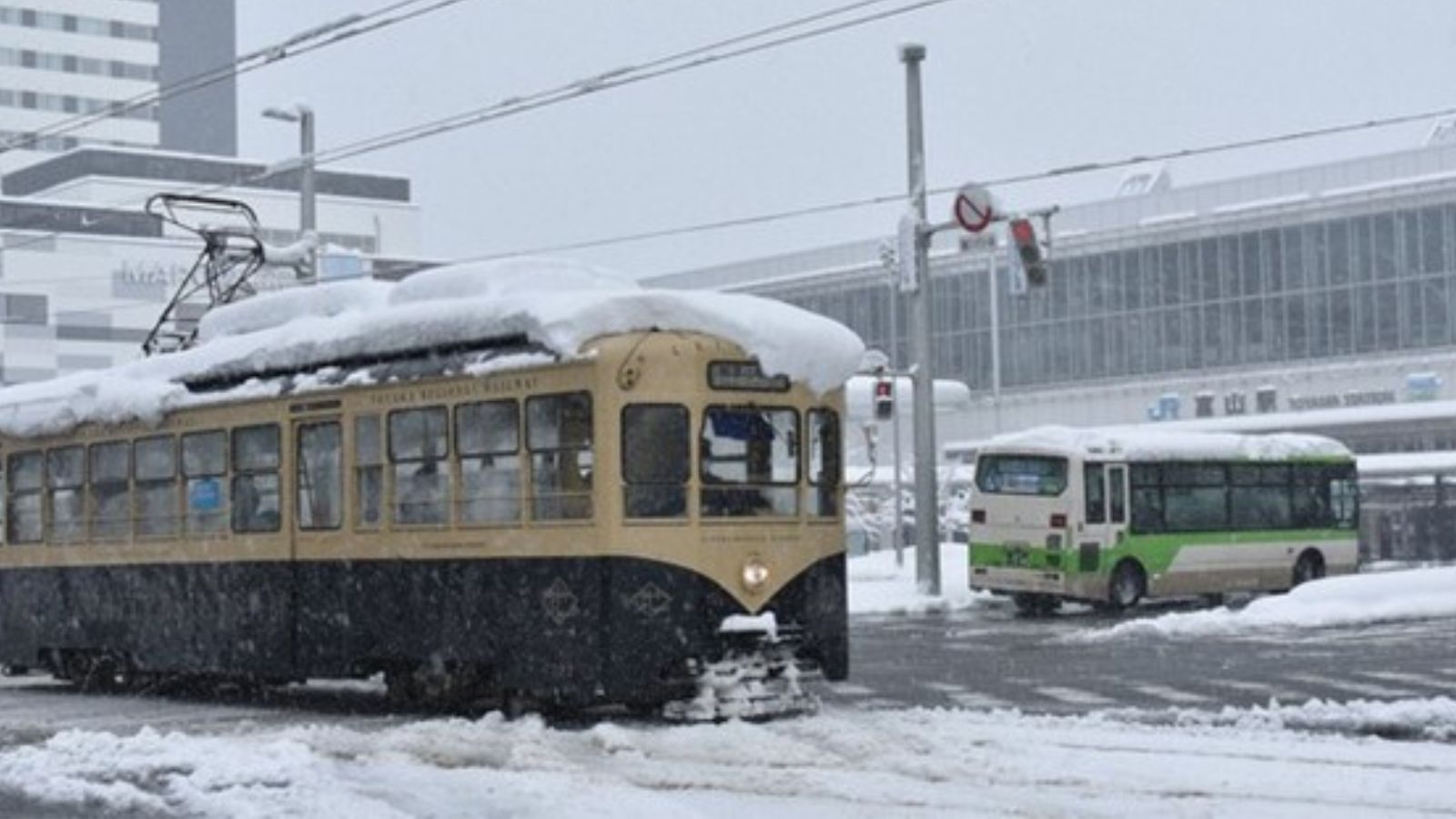
Executive Summary for the Avalanche Advisory in Toyama
The Japan Meteorological Agency has issued an avalanche advisory and low temperature forecast for Toyama Prefecture effective 12 February. Elevated avalanche risk is expected in mountainous areas, particularly within the Tateyama range, with persistent sub-zero temperatures extending impacts through 14 February. Anticipated effects include restricted mountain access, transport disruption on the Hokuriku Expressway and National Route 8, localized power outages, and operational strain on alpine tourism and freight logistics. Severity is assessed as moderately high due to terrain exposure and snowpack conditions.
- Event Date: 12 February
- Location: Toyama Prefecture, Japan
- Risk Category: Environment
- Severity Level: 4 / 5
- Confidence Score: 78 %
Operational Context
Toyama Prefecture experiences recurrent heavy snowfall and avalanche risk during peak winter months, particularly across the Tateyama Mountain Range and upland municipalities. Historical winter events have led to temporary suspension of alpine tourism routes, expressway restrictions, rail delays, and localized power outages due to snow and ice accumulation. Steep alpine terrain combined with antecedent snowpack increases slab-avalanche probability during cold snaps. Low temperatures prolong freezing conditions, affecting road safety, infrastructure resilience, and emergency response timelines. Municipal authorities and transport agencies typically pre-position snow-removal assets and issue targeted advisories during such periods.
Known Hotspots & Sensitive Zones
- High-impact zones: Tateyama Mountain Range, Murodo plateau, Kurobe Gorge access routes, and mountain municipalities such as Tateyama Town and Kurobe City, where avalanche probability is highest.
- Medium-impact areas: Hokuriku Expressway segments crossing central Toyama and National Route 8 corridors vulnerable to snow accumulation and traffic controls.
- Low-impact areas: Coastal lowland zones along Toyama Bay, though secondary transport staging points may experience indirect freight delays.
Avalanche advisories and heavy snow events are a recurring winter pattern in February, often resulting in short-term alpine route suspensions.
Impact on Transportation & Services
Mountain access roads and the Tateyama Kurobe Alpine Route are likely to face precautionary closures. Road transport may experience intermittent stoppages or chain controls on the Hokuriku Expressway and National Route 8. Rail services on the JR Hokuriku Main Line could encounter delays under heavy snowfall conditions, while Toyama Airport may see limited schedule adjustments. Utility disruptions are possible due to snow and ice loading on overhead lines, potentially affecting localized communications and commercial operations. Businesses in tourism, logistics, and light industry may face short-term operational delays.
Recommended Action
- Organizations should suspend non-essential travel to mountainous areas and implement a permit-to-travel protocol requiring verification of JMA avalanche bulletins.
- Facilities teams should conduct roof load inspections, secure exposed equipment, insulate pipe systems, and verify generator readiness for at least 72 hours.
- Logistics managers should evaluate alternate routing and pre-position critical inventory outside high-risk zones.
- Human resource teams should activate remote-work rosters and maintain emergency contact trees.
- Coordination with JMA, local municipalities, transport authorities, and utility providers is essential.
- Long-term measures should include winter resilience planning and slope-risk awareness training for exposed personnel.
Multi-Dimensional Impact
Increased emergency service deployment in mountainous areas may temporarily limit response capacity for unrelated incidents, while tourism revenue losses could affect local economic activity.
Emergency Contacts
- Emergency Number (Police/Ambulance/ Fire): 110/119
- Japan Meteorological Agency (JMA): jma.go.jp/jma/indexe.html
Situational Outlook
The most probable scenario over the next 24–72 hours involves targeted mountain-route closures, controlled traffic restrictions, and localized utility interruptions with rapid restoration. A moderate escalation could occur if additional snowfall or wind-loading deepens unstable snow layers, extending expressway and rail disruptions for several days. Severe escalation, though less likely, would involve a significant avalanche cycle, prolonged infrastructure outages, and extended suspension of arterial routes. Overall impacts are expected to remain regionally concentrated but operationally significant.
Strategic Takeaway
The avalanche and low temperature advisory represent a high seasonal environmental risk in Toyama Prefecture. Proactive route management, facility protection, and workforce safety measures will be critical to mitigating operational disruption. Businesses operating in alpine tourism, logistics, and mountain-adjacent industries should maintain heightened monitoring. Stay ahead of operational risks with real-time alerts, scenario modeling, and expert advisories with datasurfr’s Predict. Start your 14-day free trial of Datasurfr’s Risk Intelligence Platform today.