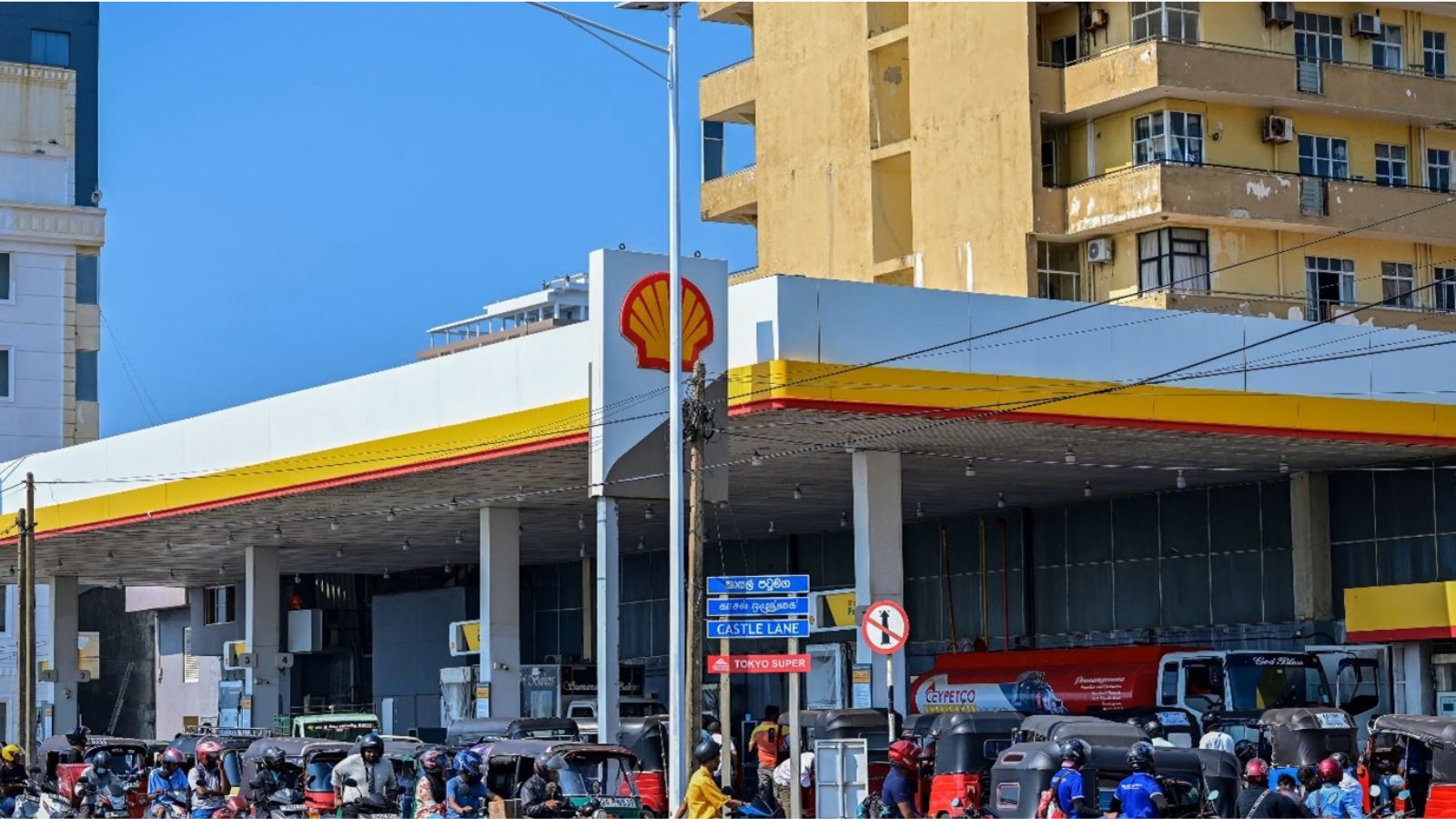
Executive Summary for the Remote Work Advisory Amid Fuel Supply Disruption
An acute fuel supply disruption across multiple Asia-Pacific countries, including the Philippines, Thailand, Vietnam, Pakistan, and Sri Lanka, has led governments to issue remote work advisories and demand-management measures on 17 March. The event is expected to cause short-term transportation disruption, supply chain delays, and increased fuel prices, with impacts potentially extending up to several weeks if supply constraints persist.
- Event Date: 17 March
- Location: Philippines, Thailand, Vietnam, Pakistan, Sri Lanka
- Risk Category: Regulatory
- Severity Level: 3 / 5
- Confidence Score: 75 %
Operational Context
Governments across the Asia-Pacific have advised remote work and reduced travel in response to a fuel supply disruption. The disruption is attributed to supply chain constraints such as shipment delays, refinery outages, or export restrictions, resulting in reduced fuel availability across key urban and industrial centres. From an operational perspective, the immediate impact is concentrated on transportation networks and workforce mobility. Urban economies that rely heavily on daily commuting and fuel-dependent logistics, particularly in high-density cities, face productivity constraints and service disruptions. Businesses dependent on last-mile delivery, manufacturing inputs, and continuous freight movement are especially vulnerable. Remote work policies mitigate some operational risk; however, sectors requiring physical presence, including logistics, construction, and retail distribution, are likely to experience sustained disruption. The potential overlap with planned transport strikes further amplifies the risk of widespread commuter delays and reduced workforce availability.
Known Hotspots & Sensitive Zones
High Impact Zones:
- Major urban centres such as Metro Manila and key logistics hubs are experiencing significant commuter congestion, reduced transport capacity, and fuel shortages. Ports and distribution centres are particularly vulnerable to operational delays.
Medium Impact Zones:
- Secondary cities and industrial corridors across affected countries face moderate disruption due to constrained fuel distribution and reduced freight movement.
Low Impact Zones:
- Rural and less densely populated areas may experience limited immediate impact but could face delayed supply shortages.
Fuel supply disruptions in the region have historically shown short-term recurrence with localized intensity.
Impact on Transportation & Services
The disruption is significantly affecting public transportation, freight logistics, and commuter mobility. Reduced bus and rail services, combined with planned strike actions, are likely to cause widespread delays. Freight movement across key supply routes is expected to slow due to limited diesel availability and reduced trucking capacity. Digital infrastructure may experience increased demand due to remote work adoption, potentially stressing corporate networks and connectivity systems. Critical services relying on fuel-powered backup systems, including healthcare and utilities, may face operational risks if fuel shortages persist.
Recommended Action
- Organizations should activate fuel conservation and business continuity plans, prioritizing remote work for non-essential staff and limiting physical operations. Critical supply chains should be mapped and alternative sourcing strategies implemented to mitigate disruption.
- Companies should strengthen IT infrastructure to support sustained remote operations and communicate proactively with stakeholders regarding service delays.
- Coordination with government agencies and energy authorities is essential to ensure access to priority fuel allocations where applicable.
Multi-Dimensional Impact
The fuel shortage is likely to intensify planned transport strikes and increase congestion, potentially extending disruption across multiple sectors including retail, manufacturing, and public services.
Emergency Contacts
- Emergency Services: 911 (Philippines), 191 (Thailand), 112 (Vietnam), 115 (Pakistan), 110 (Sri Lanka)
Situational Outlook
The fuel supply disruption across the Asia-Pacific is expected to remain a short-to-medium term operational challenge, with the most significant impacts occurring within the first three to 14 days following 17 March. Under baseline conditions, government interventions such as remote work advisories, prioritized fuel allocation, and adjusted delivery schedules are likely to stabilize supply chains within one to two weeks, resulting in manageable transportation disruption and limited business continuity impact. A moderate escalation scenario may arise if supply constraints persist beyond one week, compounded by transport strikes and reduced logistics capacity, leading to extended delays in freight movement and increased pressure on urban infrastructure. In a less probable severe scenario, prolonged supply disruption driven by refinery outages or geopolitical constraints could trigger widespread transport shutdowns, stricter fuel rationing measures, and localized civil unrest, significantly affecting business operations and regional economic activity. Continuous monitoring of government advisories and fuel supply conditions will remain critical for operational planning.
Strategic Takeaway
The fuel supply disruption across the Asia-Pacific represents a moderate regulatory and operational risk, with immediate implications for transportation, logistics, and workforce mobility. While impacts are expected to be short-term, secondary effects such as supply chain delays and commuter disruption may persist beyond the initial disruption window. Businesses should adopt proactive mitigation strategies and maintain situational awareness.
Stay ahead of operational risks with real-time alerts, scenario modeling, and expert advisories with datasurfr’s Predict. Start your 14-day free trial of Datasurfr’s Risk Intelligence Platform today.