What is the water supply disruption in Maharashtra 2026?
As of mid-May 2026, Maharashtra is experiencing a critical period of water scarcity as natural reservoirs reach their lowest levels of the year. In major urban centers like Mumbai and its surrounding suburbs, the visible drop in lake levels has translated into reduced pressure and restricted availability for daily residential and commercial use. This tightening of resources is particularly felt in high-rise complexes and industrial zones, where the lack of consistent flow has increased the reliance on alternative sources to bridge the gap until the seasonal rains arrive. The situation is notably more acute in the state’s interior, particularly across the Marathwada and Vidarbha regions. In these areas, the depletion of groundwater has caused many local wells and bore wells to run dry, forcing a heavy dependence on mobile water tankers to sustain rural communities. The heat of the pre-monsoon summer has accelerated evaporation rates in local dams, leading to a landscape defined by parched agricultural fields and long queues at communal collection points.
What measures have authorities taken?
The Brihanmumbai Municipal Corporation (BMC) has announced a city-wide 10 percent reduction in water supply effective from 15 May as a precautionary conservation measure. The decision follows a significant decline in storage levels across the seven lakes supplying Mumbai, including Upper Vaitarna, Modak Sagar, and Bhatsa, which are currently operating at approximately 23.5 percent of their total capacity. In an effort to mitigate shortages until the onset of the monsoon season, the BMC has secured additional reserves from the state’s maintenance stock. Nevertheless, officials have urged residents to adopt stringent water conservation practices in order to avert the implementation of more severe rationing measures. The 10 percent reduction will also apply to the municipal jurisdictions of Thane and Bhiwandi-Nizampur, in addition to several surrounding villages dependent on the BMC distribution network. Pune is presently prioritising long-term infrastructure enhancement projects, supported by recently approved central funding for newly merged villages. In May 2026, the Union Government allotted a funding of INR 890 crore to develop a comprehensive water supply project serving 12 merged areas in the Khadakwasa-Naded belt. A water conservation conclave has also been organised by the Maharashtra government in Nagpur from 17–18 May.
What are the causes of water supply disruption?
The current water crisis in Maharashtra is primarily driven by a convergence of climatic pressures and the looming threat of El Nino, which has led to a harsher-than-usual summer and a significant drop in surface water storage. As of May 2026, reservoir levels across the state have dropped, with Mumbai’s seven supplying lakes hovering at a critical 23.5 percent capacity. This shortage is exacerbated by uneven rainfall distribution during the previous monsoon, which failed to fully recharge deep aquifers in the Marathwada and Vidarbha regions. The resulting “summer stress” has necessitated a 10 percent city-wide water cut in Mumbai and a rapid increase in tanker deployments rising from 86 to over 460 in a single month to sustain parched rural hamlets facing near-dead storage levels. Beyond natural factors, supply disruptions are being intensified by essential, albeit poorly timed, infrastructure maintenance and operational inefficiencies. In urban centres like the Mumbai Metropolitan Region (MMR), residents face localised shutdowns, such as the recent 24-hour stoppage in Navi Mumbai, required for installing high-capacity valves and conducting pre-monsoon repairs at treatment plants. Meanwhile, in cities like Pune and Chhatrapati Sambhajinagar, erratic supply patterns are often linked to aging distribution networks and electricity-related disruptions at pumping stations.
What is the short-term impact assessment?
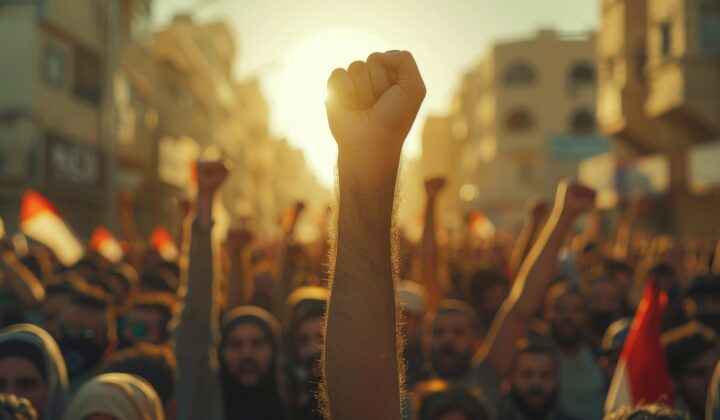
Short-term impacts include high-frequency supply disruptions, for example, the current 24-hour Navi Mumbai shutdown and upcoming city-wide water cuts that may necessitate immediate auditing of onsite storage capacity and redundant supply chains, such as pre-contracted private tankers. In districts of Vidarbha and Marathwada, competition over scarce resources may lead to localised civil disturbances. Moreover, villagers may conduct secondary protests or transport blockades on State and National Highways. It is good to prepare for “emergency-tier” government resolutions. The Maharashtra Water Resources Department may pivot to prioritise domestic consumption over industrial use, potentially leading to forced shutdowns of water-intensive corporate facilities or manufacturing units. Heightened heatwave risks combined with limited water for cooling systems pose a direct threat to employee wellness and productivity, especially for field operations and logistical staff. Extended water supply cuts cannot be ruled out as authorities continue maintenance and stabilisation measures across the distribution network. Additionally, elevated levels of chlorine may be used to disinfect newly installed or repaired pipelines, which could temporarily affect the quality, taste, and odour of the water supply.
What is the long-term impact assessment?
Long-term impacts include sustained scarcity that may drive inter-state tensions like the Maharashtra-Karnataka water-swap negotiations, impacting cross-border logistics and regional trade stability. Persistent water scarcity may significantly increase operational costs for businesses due to higher expenditure on tanker supplies, water treatment systems, storage infrastructure, and alternative sourcing arrangements. Industrial clusters located in “dark zone” or water-stressed regions may experience reduced investor confidence due to concerns regarding long-term resource sustainability and infrastructure resilience. Inaccurate or excessive water use could lead to severe reputational damage or local community backlash. Continued water stress in Vidarbha and Marathwada is likely to reduce rural purchasing power, impacting FMCG, retail, and financial services sectors that rely on these regional markets. Real estate, industrial parks, and commercial expansion projects may face delays or reduced viability in areas where sustainable water availability cannot be guaranteed.
What should organisations and individuals do to prepare?
Organisations should conduct regular water audits to identify areas of excessive consumption, leakage, or operational inefficiencies within facilities and distribution systems. Install water-efficient fixtures such as sensor-based taps, low-flow faucets, dual-flush systems, and water-saving appliances across office, commercial, and industrial premises. Recycle and reuse treated wastewater wherever feasible, particularly for non-potable purposes such as landscaping, cooling systems, floor cleaning, and sanitation activities. Implement preventive maintenance programmes to promptly detect and repair leaking pipelines, malfunctioning valves, cooling systems, and storage infrastructure. Optimise operational schedules for water-intensive activities to minimise consumption during peak demand periods and municipal supply restrictions. Encourage employees and facility staff to adopt responsible water usage practices through awareness campaigns, internal advisories, and conservation guidelines. Utilise rainwater harvesting systems to supplement operational water requirements and reduce dependence on municipal supply networks and groundwater extraction. Upgrade industrial and commercial processes to incorporate water-efficient technologies and closed-loop recycling systems wherever operationally viable. Coordinate with local authorities and utility providers regarding scheduled maintenance shutdowns, rationing measures, and emergency supply advisories to ensure operational preparedness. Develop contingency plans for water shortages, including emergency storage arrangements, prioritisation of essential operations, and alternative supply mechanisms where necessary. Individuals should use water judiciously for all domestic purposes and avoid unnecessary wastage, particularly during peak consumption hours. Store an adequate quantity of water in clean containers during scheduled supply hours to minimise inconvenience during disruptions. Keep emergency drinking water reserves available, particularly during prolonged supply interruptions or periods of extreme heat. Regularly inspect household pipelines, taps, storage tanks, and fittings for leaks and ensure immediate repairs to prevent avoidable losses. Install water-efficient fixtures such as low-flow taps, dual-flush systems, and water-saving showerheads to reduce overall consumption. Reuse greywater, where feasible, for non-potable purposes such as gardening, floor cleaning, and flushing. Follow all advisories, rationing schedules, and conservation guidelines issued by municipal authorities during shortages.
Frequently asked questions
When did the Mumbai water cut begin in 2026?
The Brihanmumbai Municipal Corporation (BMC) announced a city-wide 10 percent reduction in water supply effective from 15 May 2026, following a significant decline in storage levels across the seven lakes supplying Mumbai, which are currently operating at approximately 23.5 percent of total capacity.
Which areas in Maharashtra are most affected by water scarcity?
Mumbai, Thane, Bhiwandi-Nizampur and surrounding villages are affected by the BMC water cut. The situation is more acute in the Marathwada and Vidarbha regions, where groundwater depletion has caused wells and bore wells to run dry, forcing heavy dependence on mobile water tankers.
What are the emergency contact numbers for Maharashtra?
Brihanmumbai Municipal Corporation Helpline: +91 8080032282. Thane Municipal Corporation: +91 2225336523. Pune Municipal Corporation: +91 2025501000. Nagpur Municipal Corporation: +91 7122737599.
Download the full advisory now
datasurfr’s Special Advisory on the Water Supply Disruption in Maharashtra carries the complete impact assessment, the full regulatory guidelines, and a detailed contacts directory. Download the full advisory now to brief your travel and continuity teams.
Filed under: India-South AsiaThreat Intelligence Special Reports