Where do the USMCA negotiations stand after three rounds?
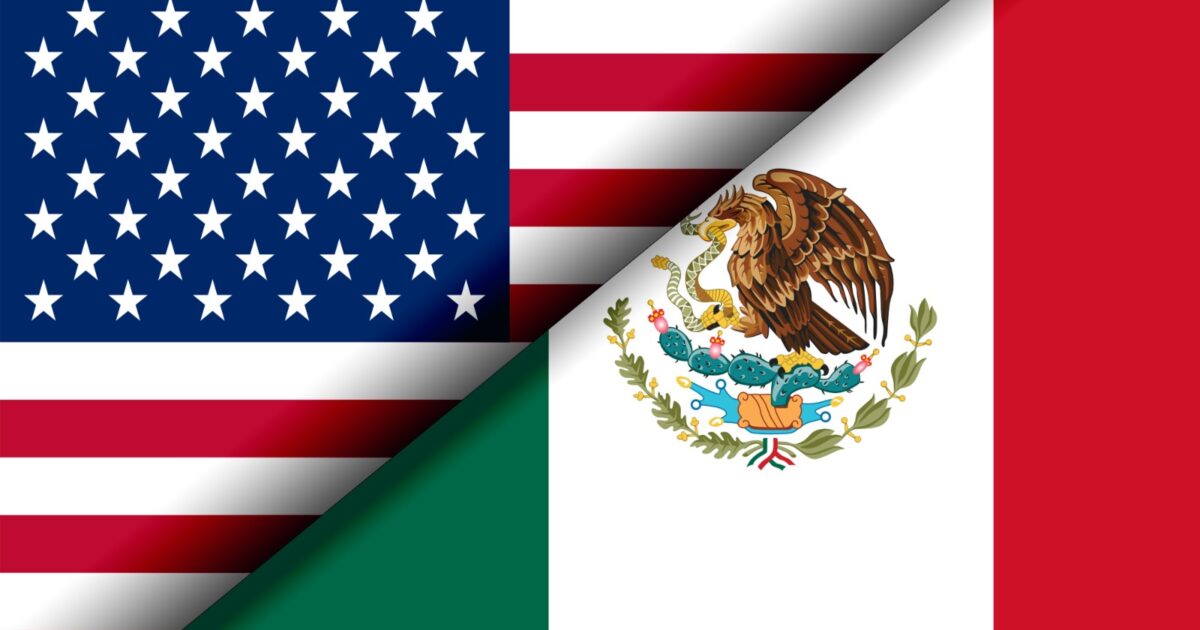
The USMCA negotiations 2026 have moved into bilateral talks between the United States and Mexico as part of the agreement’s joint review. Technical discussions began in March, and formal rounds followed in Mexico City on 28 and 29 May, in Washington on 15 to 17 June and in Mexico City on 21 to 23 July, each described as constructive. On 1 July the US declined to extend the agreement for another 16 years, so the three countries now face annual reviews, although the agreement remains in force until 2036. The fourth round was postponed on 23 September, with Mexico citing scheduling conflicts including Xi Jinping’s state visit to Washington and the G20 meeting; media reports say the US requested the delay. Economy Minister Marcelo Ebrard and USTR Jamieson Greer then met on the G20 sidelines in Milwaukee, with no outcome announced.
What are the main issues in dispute: rules of origin, tariffs and China?
The central dispute is the US proposal that vehicles seeking preferential USMCA treatment contain 50 percent US-made content; current rules require 75 percent North American content with no country-specific share, and Mexico opposes the US-specific requirement. Mexico’s stated priority is relief from US Section 232 tariffs on steel, aluminium and automobiles, and from two Section 301 actions on forced labour and manufacturing overcapacity. Mexican officials estimate that an interim deal could bring the effective tariff on light vehicles to between 10 and 12 percent, as the full rate would apply only to non-US content, but no agreement on steel or aluminium rates has been announced. Washington also wants stronger North American supply chains and less reliance on non-regional inputs, particularly from China, and Mexico has already aligned some export controls with US requirements. The agenda has widened to nearly 90 topics, including labour, agriculture, electronic payments, digital platform regulation and intellectual property, and Mexican industry has called for progress on autos by mid-October.
How does the US-Canada trade dispute affect Mexico?
Mexico is now the only USMCA partner in sustained talks with Washington. US-Canada negotiations collapsed on 21 to 22 August, after which the US imposed 50 percent tariffs on about USD 20 billion of Canadian goods without the USMCA-compliance exemption used in earlier rounds, and Canada began dollar-for-dollar counter-tariffs on 8 September, reported at 15 to 50 percent on more than 700 US products. USTR Greer has outlined a two-stage approach: separate interim arrangements with Mexico and Canada before year-end, then harder issues such as China, rules of origin, labour and environment. For Mexico the Canadian case sets a benchmark: demands Canada treated as red lines, such as limits on trade ties with third countries, could be tested, and the withdrawal of compliance exemptions shows preferential treatment can be removed quickly. Two separate bilateral bargains could leave the USMCA trilateral in name only.
What are the business risks for trade, autos and investment?
Overall, the USMCA negotiations 2026 carry the greatest risk for firms that depend on USMCA preferences. For trade, changes to tariff preferences could raise import costs, tighter rules of origin could increase compliance costs, and businesses may delay commercial decisions until the framework is clearer. In the automotive sector, higher local sourcing requirements may force changes to supplier networks and affect vehicle prices and margins across integrated US-Mexico supply chains. On investment, continued uncertainty could lead companies to delay or reassess manufacturing in Mexico, reports already point to a slowdown in nearshoring, and new investment may favour facilities with higher North American content. Buyers may shift some orders from Canada to Mexican suppliers, but any gain is likely to be limited because Mexican autos, steel and aluminium remain exposed to Section 232 tariffs.
What should businesses watch through December 2026?
Three outcomes are possible. A limited interim agreement is the most likely, covering areas of progress, with the US mid-term elections on 3 November adding pressure; it would be temporary relief rather than renewal, and the US could return with new demands. Prolonged negotiations are also likely, as differences over rules of origin, tariffs, metals and economic security may push talks into 2027. Escalation, through additional US measures or Mexican retaliation, is the lower probability. Businesses should monitor whether a fourth-round date is announced in October, progress on Section 232 relief and automotive content, the effect of the mid-terms in November, efforts to reach an interim deal in December, the US-China truce expiring on 10 January 2027, and any US demands that would limit Mexico’s trade policy toward third countries.
Frequently asked questions
When is the fourth round of US-Mexico USMCA talks?
The fourth round, planned for 28 to 29 September in Washington, DC, was postponed. Mexican officials say it could be held in October, but no date has been announced.
Is the USMCA still in force?
Yes. The US declined on 1 July to extend the agreement for another 16 years, which triggers annual joint reviews, but the USMCA remains fully in force until its current expiry in 2036.
Who are the key negotiators in the US-Mexico USMCA talks?
For Mexico: Economy Minister Marcelo Ebrard and Deputy Economy Minister for Foreign Trade Luis Rosendo Gutiérrez. For the United States: US Trade Representative Jamieson Greer. Technical coordination continues daily.
Download the full situational update now
datasurfr’s Situational Update on the USMCA negotiations 2026 carries the complete negotiation timeline, scenario outlook and key indicators for October to December 2026. Download the full situational update now to brief your trade, procurement and supply-chain teams.
Filed under: AmericasRegional Risk Reviews