What happened in the US-Israel-Iran ceasefire 2026?
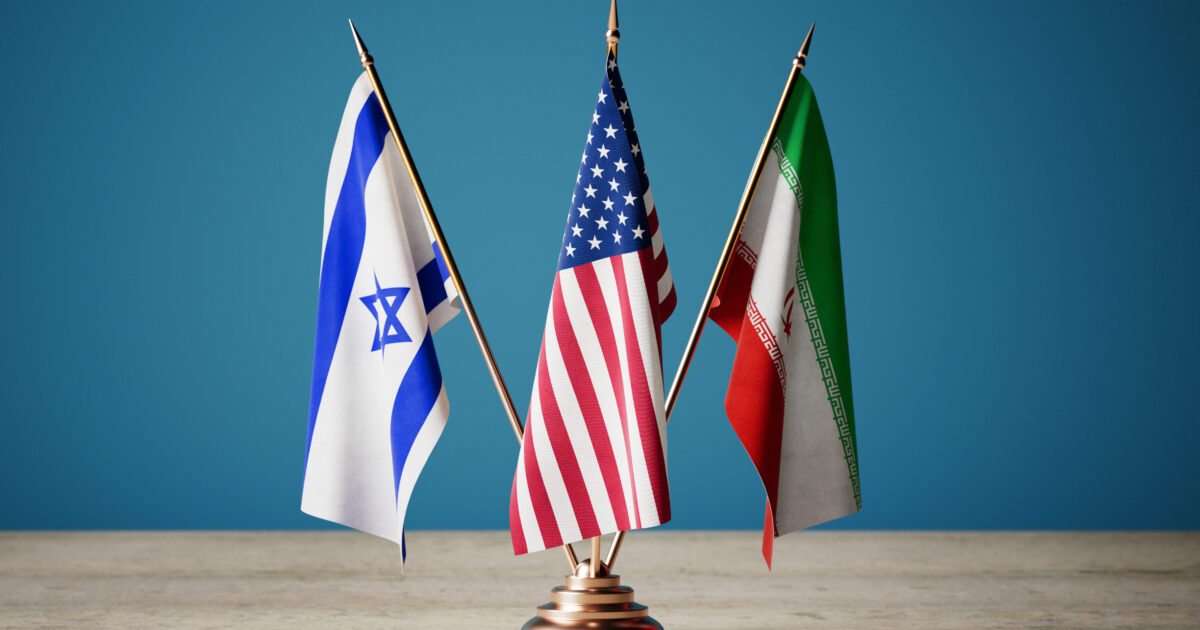
The ceasefire began on 07 April 2026 for an initial 14-day period and is intended to support negotiations rather than establish a comprehensive peace agreement. The arrangement followed joint US and Israeli strikes inside Iran, Iranian retaliatory attacks on regional US partners, and the closure of the Strait of Hormuz. The US announced a suspension of bombing and attack operations, while Iran accepted the arrangement but retained the right to respond to violations. Negotiations were scheduled in Islamabad, with Iran’s ten-point proposal placing issues such as uranium enrichment, sanctions relief, US military presence and Hormuz operations on the agenda. The agreement does not clearly cover every regional actor or activity: Israeli operations against Iran-aligned groups, proxy activity in Iraq, Syria and Yemen, cyber operations and sanctions enforcement remain areas of ambiguity. Lebanon is also not clearly included, creating an additional regional stability concern. The US and Iran therefore enter the diplomatic track with materially different positions on enrichment, sanctions, military presence and maritime control.
What is happening in the Strait of Hormuz?
The Strait has partially reopened, but maritime operations remain constrained. The US has sought complete and immediate reopening for commercial shipping, while Iran has retained operational control over transit and indicated that passage is coordinated by Iranian authorities. Reports cited in the advisory describe transit fees of up to USD 2 million per vessel, while more than 800 vessels remain inside the Persian Gulf. Transit procedures, escort arrangements, insurance liabilities and verification mechanisms remain unclear. The combination of backlog, security uncertainty and cautious insurers means that a formal ceasefire does not yet equal normal maritime operations. The advisory notes that only a small number of vessels had transited compared with the pre-conflict daily average, illustrating the gap between formal reopening and practical normalization. Shipping companies and insurers remain cautious, and alternative routes may continue to carry additional cost and delay. For companies dependent on Gulf ports, the operational question is therefore not simply whether the Strait is open, but whether predictable, insured and commercially viable transit has returned.
What are the main business and supply-chain risks?
Under the US-Israel-Iran ceasefire 2026, the principal business risks extend beyond direct conflict. Around 130 million barrels of crude oil, 46 million barrels of refined fuel and 1.3 million tonnes of LNG are reported stranded on tankers awaiting transit. Gulf energy exports have also fallen sharply, while damage to energy assets is expected to delay full normalization. Shipping companies face higher risk premiums and uncertain transit procedures; manufacturers and traders may experience longer lead times, higher freight and storage costs, and difficulty recovering stranded cargo. Banking and payment corridors can also remain restricted because of sanctions compliance, while energy-price volatility can affect transport, chemicals, fertilizer, manufacturing and food costs. The impact can move through several layers of the economy. Higher energy and freight costs can affect production and distribution, while disrupted LNG, helium and fertilizer supplies can create secondary effects for industrial users and food-related businesses. Aviation and financial markets can also remain sensitive to renewed escalation. The report therefore treats resilience, liquidity and alternative sourcing as continuing priorities during the diplomatic period.
What should businesses and individuals do to prepare?
Businesses should treat the US-Israel-Iran ceasefire 2026 as the ceasefire as a temporary pause and continue monitoring negotiations and actual vessel movements rather than relying only on political announcements. The advisory recommends maintaining higher inventory buffers and planning for six to eight weeks of disruption even under a favorable scenario. Companies should map alternative sea and land routes, review stranded cargo recovery plans, and assess exposure to freight, insurance and energy-price changes. Payment processing and Letters of Credit may require additional time, so treasury teams should plan liquidity accordingly. Individuals should monitor travel and shipping advisories, allow additional time for international movements, and avoid assuming that normal commercial conditions have fully returned. Firms with Gulf exposure should also review insurance assumptions, contractual force-majeure provisions and emergency communication arrangements. Monitoring should focus on measurable operational indicators such as vessel movement, toll implementation, mine-clearance conditions and the duration of restrictions. Individuals should rely on official travel and transport information because conditions can change quickly if negotiations stall or military activity resumes.
What should organisations and individuals do to prepare?
Organisations with offices, facilities or regular business movement in Mumbai, Pune, Bengaluru or Hyderabad should schedule employee travel, client visits and non-essential vehicle movements outside peak procession periods where feasible, identify alternative access routes for facilities near celebration areas in advance, and build in contingency time for commutes, deliveries and field movements. Staggered shifts or flexible working during periods of significant local congestion, and confirming emergency-vehicle access and evacuation routes remain unobstructed, are also recommended. Individuals should plan journeys well in advance, avoid non-essential travel through active procession routes, use public transport or designated parking rather than driving through celebration corridors, allow extra time for airport, railway or intercity bus journeys through affected areas, and keep valuables secure in crowded areas around pandals and immersion points.
Frequently asked questions
How long is the provisional ceasefire?
The arrangement began on 07 April 2026 and was initially set for 14 days, with the possibility of extension through mutual agreement.
Has the Strait of Hormuz fully reopened?
No. The advisory describes a partial reopening with limited traffic, Iranian coordination requirements and a significant vessel backlog.
What should businesses monitor most closely?
Businesses should monitor negotiations, daily vessel movements through Hormuz, transit and toll arrangements, insurance conditions, energy prices, sanctions-related payment delays and alternative shipping routes. These indicators should be monitored alongside formal diplomatic announcements.
Download the full advisory now
MitKat’s Special Report provides detailed analysis of the ceasefire, maritime operations, scenario developments, global sector impacts and recommendations. Download the full advisory now to brief business continuity, supply-chain and risk teams.
Filed under: EMEAThreat Intelligence Special Reports