What is the 49th ASEAN Summit and when is it?
The Philippines, as the 2026 ASEAN Chair, will host the 49th ASEAN Summit and Related Summits on 16–18 November 2026 in Metro Manila. The Philippine International Convention Centre (PICC) in Pasay City is the main venue, and the renovated Coconut Palace (CCP Complex) will also be in use. Leaders of all ASEAN member states and dialogue partners are expected to attend. The event is the bloc’s highest decision-making meeting, and the Philippines holds the 2026 chairmanship after Myanmar was skipped due to its civil war. The first summit of the year (the 48th) was held in Cebu on 06–08 May. The 49th summit in November is the larger of the two, as it includes the Related Summits with dialogue partners and the East Asia Summit. Malacañang has declared 16–18 November special non-working days across the entire National Capital Region under Proclamation No. 1447.
Which areas in Metro Manila are most affected?
The impact of the summit will vary significantly across Metro Manila, with restrictions concentrated near the venues and along delegation routes. High-impact areas include PICC and CCP Complex, Coconut Palace, Roxas Boulevard (P. Burgos to EDSA), Bay Area, SMX, MOA, and the US Embassy vicinity, where full or partial lockdowns are expected with checkpoints and restricted pedestrian access. High-impact areas also include Ermita-Malate hotel belt, NAIA Terminals 1 to 3 and approaches, Rizal Park, Liwasang Bonifacio, and Mendiola, where motorcade holds, rally activity, and a heavy police presence are expected. Low-medium impact areas include Makati CBD, BGC, the Manila port area, and the southern section of EDSA, with diversions and congestion expected. Low-impact areas include Ortigas, Quezon City, Alabang (Muntinlupa), and the outer NCR, where conditions are largely normal apart from reduced staffing due to the holiday and changes to public transport.
What are the security and traffic measures?
Full closures of Roxas Boulevard and the CCP Complex are expected during leaders’ movements. Rolling closures are likely on EDSA, the NAIA Expressway, Macapagal Boulevard, and hotel approaches. Motorcade windows can halt traffic for 20–40 minutes at a time. Truck bans and delivery restrictions are likely to be extended in Manila and Pasay, and cargo movement to and from Manila ports may be restricted during lockdowns. LRT-1 runs along Taft Avenue near the venue, so stations close to the security perimeter may be closed or operate with restrictions. NAIA will handle dozens of VIP aircraft. Temporary runway holds and ground stops are expected during arrivals and departures, which could cause delays and cancellations on commercial flights. Drone flights are likely to be prohibited over wide areas. The PNP has directed the NCRPO to strengthen security and contingency plans around summit venues, hotels, airports, and major transport hubs, with more patrols and quick-reaction teams.
What are the key risks and impacts?
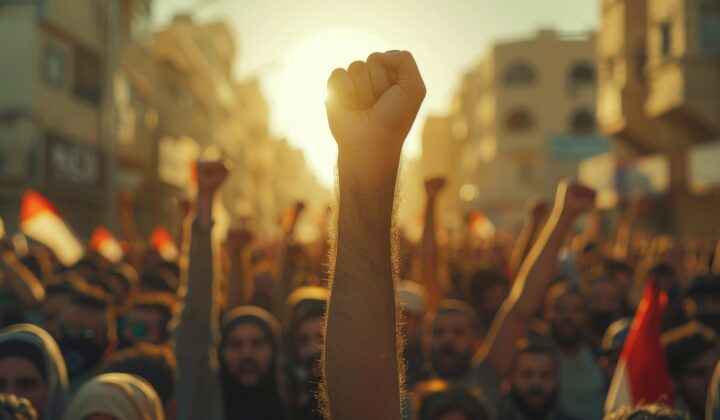
The risk of protests is assessed as high. Activist groups have indicated they will stage mass demonstrations if the US President attends and if the Philippines goes ahead with the already signed US-led Pax Silica initiative. During the last Manila-hosted ASEAN Summit in 2017, anti-Trump marchers clashed with police near the US Embassy. Environmental conditions may add further friction. PAGASA has warned of a very strong El Niño bringing heat and dry spells; one to two tropical cyclones are possible in November, and smoke from Borneo fires has already reached Manila this season. Cyber and information threats are low, but phishing and disinformation are likely. Crime and fraud are low to moderate, with opportunistic crime possibly shifting to transport hubs and residential districts. For businesses, the main impacts include workforce and labour disruptions, with special non-working days and potential ‘no work, no pay’ rules, and sector-specific exposures for IT-BPM, logistics, hospitality, retail, banking, events, healthcare, and manufacturing.
What should organisations and individuals do to prepare?
Businesses should default to work-from-home for 16–18 November, pre-position critical staff, move deliveries outside the disruption window, and stand up a daily situation brief from 14 November. A summit coordinator should be named by 31 October. Organisations should map staff, sites, and suppliers; decide the operating model; plan advance deliveries and stock; issue staff travel advisories by 06 November; confirm holiday pay rules; approve WFH; arrange hotel stays for critical staff; and set childcare flexibility given school closures. Security teams should map staff residences and commute routes against zones, brief on protest hotspots, set up twice-daily check-ins, and liaise with building security and local police. Facilities should confirm building access rules, stock water, food, and first aid, check generator fuel, and secure ground floors near rally routes. IT should load-test VPN and collaboration tools, send phishing warnings, enable DDoS protection, and prepare staff device guidance. Supply chain should move deliveries outside 13–19 November, confirm courier cut-offs, build buffer stock, and review port and truck-ban advisories. Travel should be suspended for non-essential travel to Manila 13–19 November, using flexible fares and briefing travellers on NAIA holds and ground transport. Individuals should work from home where approved; if travelling, leave early and carry company ID and letter of authority. Avoid Roxas Boulevard, the CCP Complex, the US Embassy area, Rizal Park, Liwasang Bonifacio, Mendiola, and Taft Avenue near Padre Faura. If you come across a protest, leave calmly in the opposite direction; do not film police or protesters at close range. Follow instructions at police checkpoints; expect bag and vehicle checks. Do not fly drones anywhere in Metro Manila during the summit period. Verify any closure notice or alert against official MMDA, PNP, DOTr, or company channels before sharing it. Stay hydrated and carry water, snacks, and a charged phone – delays of several hours are possible.
Frequently asked questions
When is the 49th ASEAN Summit in Manila?
The 49th ASEAN Summit and Related Summits will be held on 16–18 November 2026 in Metro Manila, Philippines, with the PICC in Pasay City as the main venue.
Which areas in Manila are most affected by the ASEAN Summit?
High-impact areas include PICC and CCP Complex, Roxas Boulevard, Bay Area, and the US Embassy vicinity. Other affected areas include Ermita-Malate, NAIA Terminals 1 to 3, Rizal Park, Liwasang Bonifacio, and Mendiola.
What are the emergency contact numbers for Manila?
Emergency: 911. Police: 117. Fire: 911. For MMDA traffic updates: 136. For PNP: 117 or 911.
Download the full advisory now
datasurfr’s Special Advisory on the 49th ASEAN Summit in Manila carries the complete security and protest assessment, traffic and movement restrictions, airspace and airport controls, and a detailed contacts directory. Download the full advisory now to brief your travel and continuity teams.
Filed under: APACThreat Intelligence Special Reports