What is the current state of the US-Iran standoff?
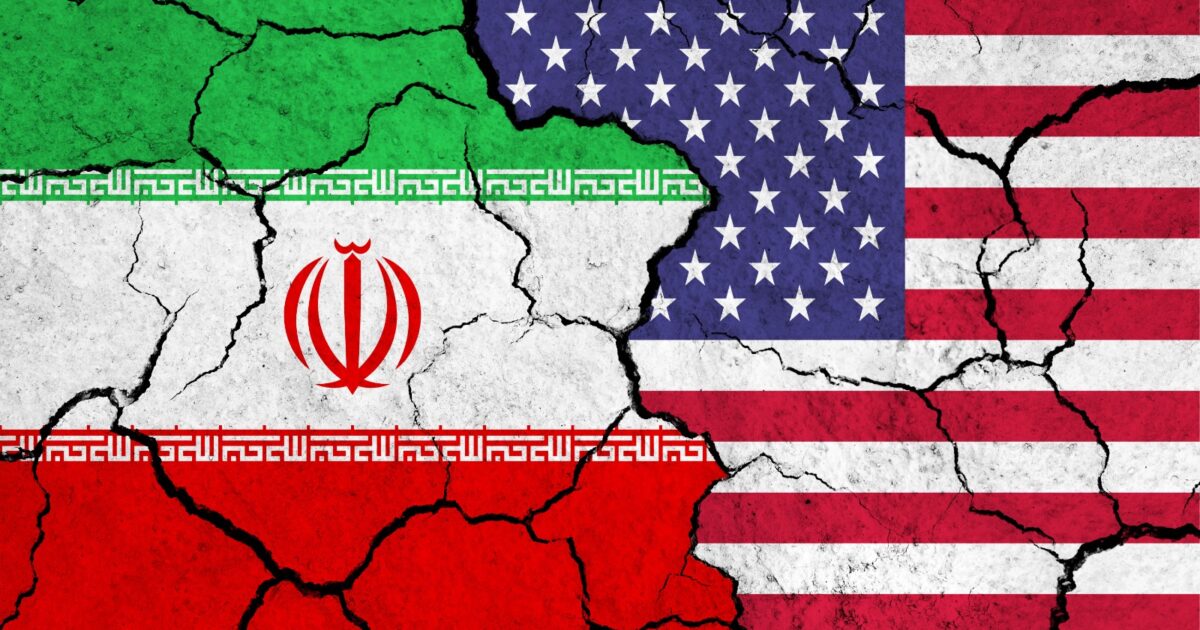
As of 24 February 2026, tensions remain elevated but no direct military confrontation has occurred. The US has deployed additional naval and air assets to the Eastern Mediterranean and Red Sea, forward-positioned long-range bombers at Diego Garcia, and stationed air and missile defence units at Al Udeid Air Base in Qatar, while also ordering non-essential diplomatic staff out of its Beirut embassy. Iran has raised the alert level of its air defence and missile forces around Tehran, increased naval readiness near the Strait of Hormuz, and warned that any strike on its territory could trigger a direct and proportionate response. Indirect US-Iran nuclear talks are continuing in Geneva even as both sides maintain forward-deployed forces.
What is driving the escalation between the US and Iran?
The primary driver is the unresolved nuclear dispute, centred on Iran’s continued uranium enrichment and the absence of a revived nuclear agreement, compounded by IAEA compliance concerns. A more coercive US posture under President Trump, including public statements that military options remain available, has combined with Iran’s proxy network — Hezbollah in Lebanon, Hamas in Gaza, the Houthis in Yemen, and Iran-backed militias in Iraq — to raise the risk of a multi-theatre confrontation. Domestic pressure inside Iran, including recurring protests, and international fragmentation over sanctions policy have further complicated escalation management, while Iran continues rebuilding its nuclear and missile infrastructure with Russian and Chinese support.
Which locations carry the highest risk in a US-Iran conflict?
The Strait of Hormuz is rated a very-high-risk maritime chokepoint given its role connecting Persian Gulf oil and LNG exports to world markets. Iranian nuclear sites at Natanz, Fordow and Isfahan, and the Parchin military complex, are rated high risk as previous strike targets, alongside the Port of Shahid Rajaee near Bandar Abbas. On the US side, Al Udeid Air Base in Qatar, Camp Arifjan and Ali Al-Salem in Kuwait, Al Asad Air Base in Iraq, and Naval Support Activity Bahrain are all rated high risk given their role as forward-deployed US infrastructure within Iranian strike range. The US Embassy in Beirut and Hezbollah strongholds in the Bekaa Valley and southern Lebanon round out the medium-to-high-risk list.
What are the likely scenarios for how this plays out?
MitKat’s scenario analysis assigns a 40 percent probability to managed de-escalation, where successful diplomatic engagement in Geneva leads to a mediated agreement on limited nuclear activity freezes, stabilising oil price volatility. Limited military strikes and tactical escalation is rated at 35 percent, involving targeted US strikes on Iranian missile or nuclear sites followed by Iranian retaliation against US bases or regional partners. Full regional conflict, involving a major US air campaign and multi-domain Iranian retaliation with potential Russian and Chinese involvement, is rated at 15 percent, while continued low-level status-quo tensions with no major escalation is rated at 10 percent.
What are the travel advisories and business risks from the escalation?
The US State Department maintains a Level 4 “Do Not Travel” advisory for Iran, and the Indian Embassy in Tehran has urged all Indian nationals to leave immediately by any available means; Canada, the UK and South Korea have issued similarly strong advisories. For businesses, key risks include closure or restriction of the Strait of Hormuz delaying shipments and forcing costly rerouting around Africa, disruption to crude and LNG exports from Saudi Arabia, UAE, Iraq and Qatar, airspace avoidance adding to flight times and cargo costs — with carriers including IndiGo and Air India already rerouting since January 2026 — and an elevated risk of state-linked cyberattacks on corporate networks exploiting geopolitical distraction.
What should businesses and individuals do to prepare?
Businesses should identify critical shipments passing through the Strait of Hormuz and establish alternate routes via Oman, the UAE or the Suez Canal, map supplier exposure by port and country, and pre-position inventory in safe-harbour hubs such as Dubai free zones or Singapore. Firms should also develop clear evacuation protocols for staff in Iran, Iraq, UAE, Bahrain or Saudi Arabia, strengthen cybersecurity against opportunistic attacks, and build force-majeure clauses into contracts. Individuals in the region should identify safe zones and multiple exit routes, maintain a two-to-four-week supply of essentials, keep documents backed up in cloud storage outside the region, and avoid areas near military bases, embassies and critical infrastructure.
Frequently asked questions
Has there been direct military conflict between the US and Iran?
As of 24 February 2026, no direct military clash has occurred, though both countries maintain forward-deployed forces and elevated readiness levels.
What is the most likely scenario for the US-Iran standoff?
MitKat’s analysis rates managed de-escalation through diplomacy as the most likely scenario at 40 percent probability, followed by limited military strikes at 35 percent.
Why does the Strait of Hormuz matter so much to this crisis?
It is a very-high-risk maritime chokepoint connecting Persian Gulf oil and LNG exports to world markets — any disruption could sharply raise global energy prices.
What travel advisory has India issued for Iran?
The Indian Embassy in Tehran has urged all Indian nationals in Iran to leave immediately by any available means amid escalating tensions.
Download the full situational update now
MitKat’s Situational Update on the potential US-Iran escalation carries the complete escalation timeline, the full sensitive-locations risk table, detailed scenario probabilities, and a comprehensive business continuity and individual preparedness checklist. Download the full update now to brief your security and continuity teams.
Filed under: EMEAThreat Intelligence Advisories