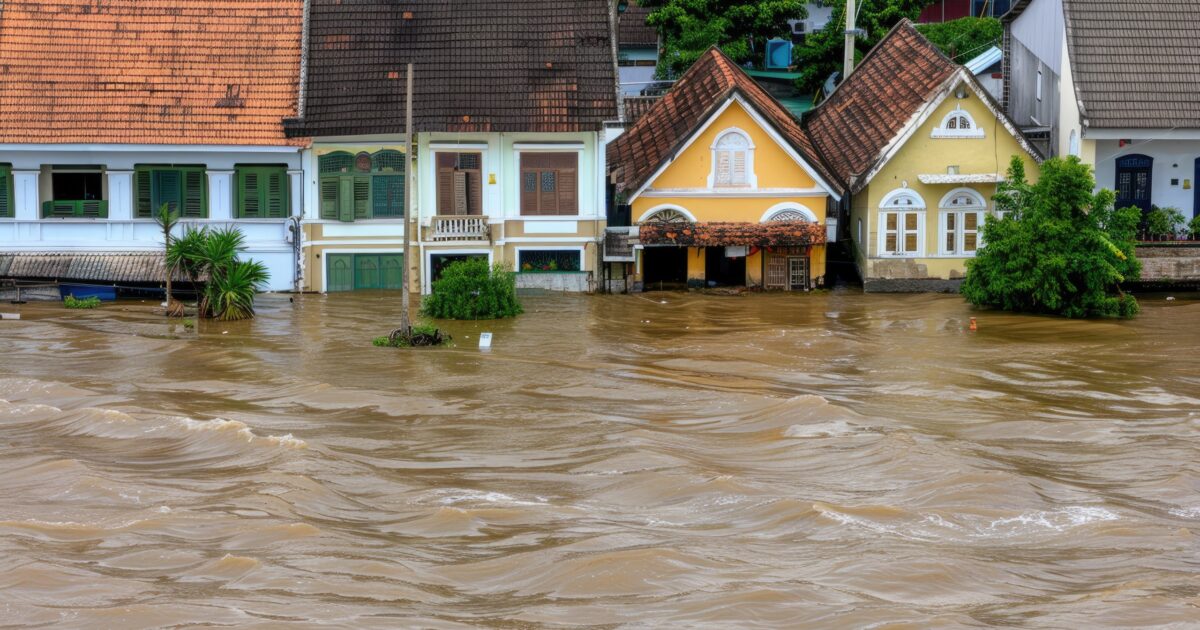
What is causing Bengaluru waterlogging and how long will the IMD alert last?
The current wet spell falls in the withdrawal phase of the southwest monsoon, following earlier heavy rain over Karnataka linked to a low-pressure area over the Bay of Bengal. The IMD city observatory recorded about 23.5 mm in the 24 hours to 0830 IST on 30 September, while Kempegowda International Airport logged 94.2 mm, showing how uneven the rainfall has been. The yellow alert runs until 0830 IST on 1 October, with thunderstorms and gusts of up to about 50 km/h possible, while KSNDMC expects moderate rain over the core city. Waterlogging has concentrated on low-lying roads, underpasses and drains clogged with garbage and silt, and with saturated ground, even short, intense bursts can flood the same corridors again.
Which Bengaluru tech corridors will see the most disruption?
Bengaluru waterlogging is most likely to disrupt three tech corridors, starting with the ORR Bellandur–Marathahalli stretch, home to RMZ Ecospace, Embassy TechVillage and Prestige Tech Park, where Panathur, Spice Garden and Karthik Nagar are recurring hotspots; this stretch lies in the Bellandur Lake catchment and was the worst-hit tech area in the September 2022 floods. In the Whitefield and ITPL corridor, traffic crawled around Whitefield and Marathahalli on 30 September and standing water hid potholes at Thubarahalli, with the Thubarahalli–Varthur Kodi approach to ITPL, the EPIP Zone and Varthur-side campuses flagged as slow. In north Bengaluru, Hennur–Bagalur Main Road was slow near Kottarapalya and heavy congestion ran from the Yelahanka flyover towards Majestic and MG Road, with the Nagavara flyover and Mekhri Circle routes also congested, affecting Manyata Tech Park and Hebbal-area offices. Electronic City, Hosur Road and CBD offices are rated low, although MG Road and Richmond Circle were waterlogged and the Ayyappa Underpass (Madiwala) remains a chokepoint. Because the yellow alert also covers Mysuru, Tumakuru, Mandya and Hassan, road travel on the Bengaluru–Mysuru and Bengaluru–Tumakuru corridors and to satellite offices is also exposed.
What about metro, buses and airport access?
Namma Metro had reported no rain-related suspension at the time of issue and remains the most reliable option on alert days, with the Purple Line serving Whitefield and the Yellow Line serving the Electronic City corridor. A May 2026 precedent, when a tree branch fell on the Purple Line track between ITPL and Sathya Sai Hospital stations, suggests the gusty winds forecast this week carry a similar risk. BMTC buses and office shuttles face the same delays as private vehicles, particularly on the Whitefield, Marathahalli, Hennur–Bagalur and Hebbal corridors, and last-mile links from metro stations to tech park gates are vulnerable where service roads flood. Kempegowda International Airport had reported no weather-related disruption to flights, but road access via Ballari Road (NH 44) and Hebbal is the main vulnerability, with heavy congestion reported from the Yelahanka flyover towards the city on 30 September.
What are the business continuity risks?
The dominant impact of Bengaluru waterlogging is on employee commute and shuttle operations, rated medium, as rain during morning and evening peaks sharply lengthens journey times on the ORR, Whitefield, Hebbal and Hennur corridors. Campus operations have not been reported as affected, but late arrivals, shuttle delays and missed shift handovers are likely during intense spells. Two-wheeler riders face elevated risk from potholes and road edges hidden by standing water, while gusts of up to about 50 km/h raise the risk of tree falls and local power outages. Basements, parking areas, and lift and electrical rooms in low-lying tech park blocks are the most exposed site assets, and because rainfall is uneven, conditions can differ sharply between neighbouring tech parks. Overall weather impact is rated medium, with further rain likely through 1 October and saturated ground allowing rapid waterlogging.
What should organisations and individuals do to prepare?
Organisations should activate rain-response continuity procedures, review IMD, KSNDMC and Bengaluru Traffic Police updates at least twice daily, and enable flexible or remote working for staff commuting through the ORR, Whitefield–Varthur, Hennur–Bagalur and Hebbal corridors. Facility teams should check basement drainage, sump pumps, generator fuel and protection of lift and electrical rooms, while transport teams should pre-plan routes that avoid known hotspots, hold dispatch during intense cells and prioritise safe drop-offs for night-shift and women employees. Individuals should avoid non-essential travel in intense rain, never drive, ride or walk through floodwater, stay clear of trees and loose cables in gusty winds, use Namma Metro where practical, and leave well ahead of the usual time for flights from the airport.
Frequently asked questions
When does the Bengaluru IMD yellow alert for rain end?
The IMD yellow alert for Bengaluru Urban, Rural and South runs until 0830 IST on 1 October 2026, with light to moderate rain expected to continue that day.
Which Bengaluru roads are waterlogged and prone to flooding?
Waterlogging has been reported at Richmond Circle, MG Road, Nandini Layout, Rajajinagar, Girinagar and the Ayyappa Underpass (Madiwala), while Panathur, Spice Garden, Karthik Nagar and Thubarahalli–Varthur Kodi are recurring tech corridor risks.
What are the emergency contact numbers for Bengaluru during heavy rain?
Emergency (ERSS) 112, Police 100, Fire 101, Ambulance 108. GBA civic helpline 1533, BESCOM 1912, BWSSB 1916, Karnataka disaster management 1070. Civic WhatsApp helpline: 94806 85700. Live traffic advisories: @blrcitytraffic on X.
Download the full advisory now
datasurfr’s Special Advisory on Waterlogging in Bengaluru carries the full tech corridor exposure map, sector-by-sector impact ratings, watch indicators with escalation triggers, and a detailed contacts directory. Download the full advisory now to brief your facilities and continuity teams.
Filed under: India-South AsiaThreat Intelligence Advisories