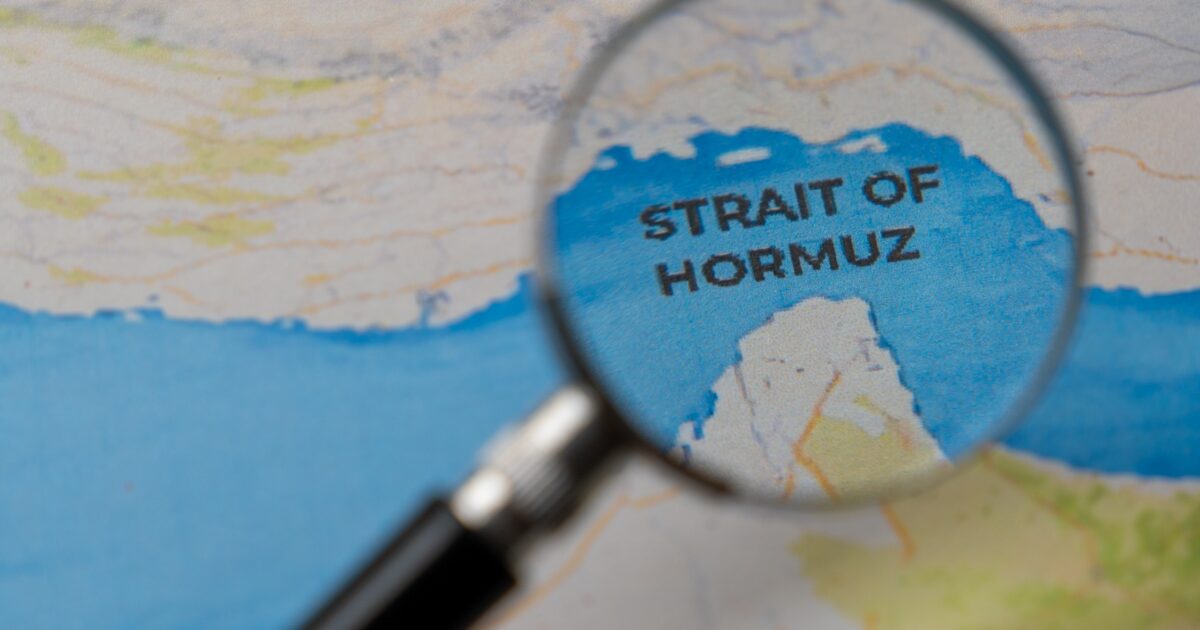
The Strait of Hormuz blockade is the US naval enforcement operation off Iran that has restricted commercial transit through the world’s most important oil chokepoint since July 2026. Between 9 and 14 August, positions on both sides hardened and the prospect of near-term de-escalation receded.
How did the blockade begin?
A temporary US-Iran ceasefire brokered in April 2026 was repeatedly violated. On 17 June both leaderships signed a Memorandum of Understanding creating a 60-day negotiating window, trading maritime safety for conditional sanctions relief and unfrozen Iranian assets. On 8 July the US declared the ceasefire void and established the naval blockade.
What happened between 9 and 14 August?
Former IRGC commander Mohsen Rezaei took over Iran’s Supreme National Security Council on 9 August. President Trump described the US naval posture as a “steel wall” on 10 August, the same day Deputy Defense Secretary Steve Feinberg directed contractors to accelerate munitions production over 21 days. On 14 August Defense Secretary Pete Hegseth said the blockade could hold indefinitely.
What is the impact on shipping?
Commercial transit stayed below normal levels, with some vessels deactivating Automatic Identification System transponders to reduce detection risk. War-risk premiums on marine hull and cargo remained elevated, raising freight costs and pushing operators onto alternative routes.
Was there any diplomatic movement?
Limited. Reports on 12 August detailed an Omani-mediated proposal for separate transit corridors in the Persian Gulf, one under Iranian control for inbound traffic and another under Omani control for outbound. Iran linked restoration of normal transit to an end to US military action, sanctions and the blockade.
What should organisations do?
Suspend deployment of seafarers on vessels transiting the strait until maritime safety is confirmed. Activate force majeure clauses and secure secondary marine insurance for cargo through the Persian Gulf, Gulf of Oman and northern Arabian Sea. Personnel in Bahrain, Kuwait, Qatar and Jordan should identify hardened shelters.
Frequently asked questions
What is the Strait of Hormuz blockade?
The Strait of Hormuz blockade is a US naval enforcement operation established off Iran on 8 July 2026 after a June Memorandum of Understanding collapsed. It restricts transit through the chokepoint carrying a large share of global seaborne oil.
Is the Strait of Hormuz open to shipping?
Partially. Transit continued below normal levels through August 2026, subject to US naval interdiction and to Iranian permission and transit fees, with some vessels intercepted or turned back.
How has the blockade affected oil prices?
Crude remained above USD 80 per barrel through mid-August 2026 following attacks on Saudi processing facilities, pipelines and export terminals, with elevated war-risk insurance premiums adding further cost.
Download the full report now
What is inside
- The Strait of Hormuz blockade hardened between 9 and 14 August, with US Defense Secretary Pete Hegseth stating it could be maintained indefinitely.
- Iran ruled out extending the June interim agreement on 12 August and said its armed forces were moving to a more offensive posture.
- A Houthi strike on the Tanzanian-flagged vessel Tihamah off southern Yemen killed several seafarers on 11 August.
- Crude remained above USD 80 per barrel following attacks on Saudi processing facilities, pipelines and export terminals
Filed under: EMEAThreat Intelligence Advisories