What is the Russia-Ukraine War 2026?
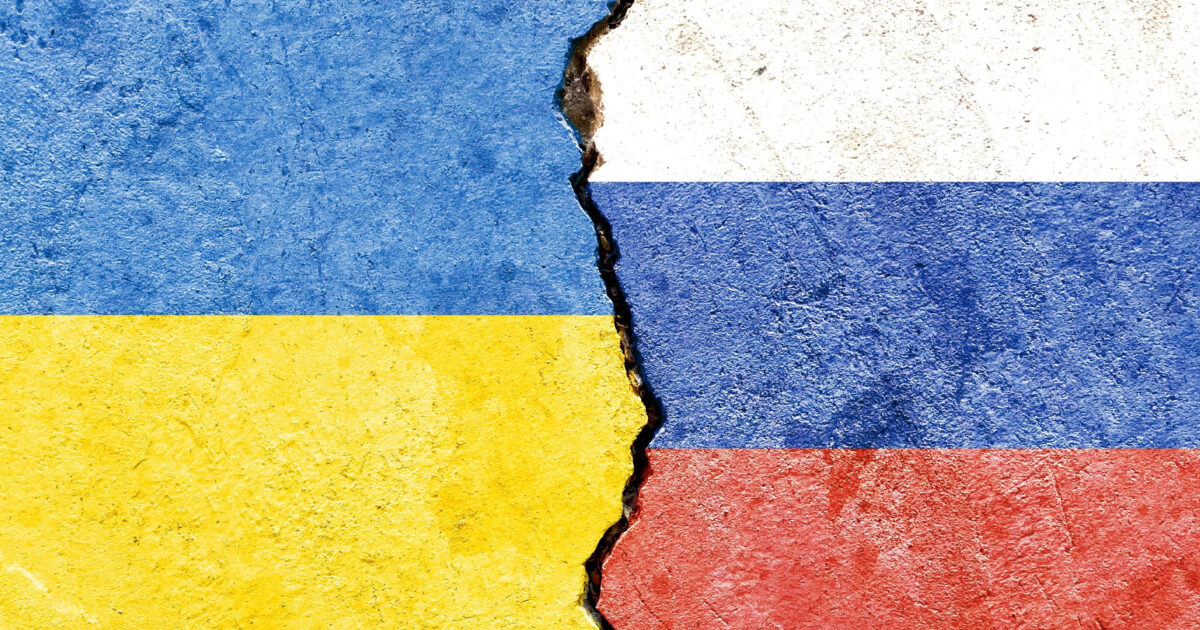
The Russia-Ukraine War 2026 refers to the ongoing full-scale war between Russia and Ukraine, which began in 2014 with Russia’s occupation and annexation of Crimea and fighting in the Donetsk and Luhansk regions, and expanded with Russia’s full-scale invasion of Ukraine on 24 February 2022. As of August 2026, the conflict is characterised by intensified long-range missile and drone attacks, continued attritional fighting along the frontline, and limited diplomatic progress. Both sides have conducted reciprocal strikes on energy infrastructure, logistics hubs, airfields and military facilities. The war has also led to cross-border incidents, including Russian weapons entering Moldovan and Romanian territory, raising the risk of unintended escalation involving NATO.
What are the latest developments from 15-21 August 2026?
On 20 August, Russian strikes damaged residential buildings, a children’s hospital, a school, industrial facilities and fuel infrastructure in Kyiv City and Kyiv Oblast, killing at least 12 people and injuring at least 40 others in Kyiv City. Additional strikes damaged Red Cross facilities and food warehouses near Boryspil and affected civilian, energy, critical and logistics infrastructure across Chernihiv, Cherkasy, Odesa, Mykolaiv, Kharkiv and Zhytomyr oblasts. Ukrainian forces struck the Tamanneftegaz oil terminal in Krasnodar Krai and the TANEKO oil refinery in the Republic of Tatarstan, as well as Russian airfields and drone launch sites at Primorsko Akhtarsk and occupied Donetsk City, along with Nebo U and Nebo UM radar systems. Overnight from 19 into 20 August, Russia launched a large combined attack involving ballistic missiles, cruise missiles, Banderol loitering munitions, Shahed strike drones and Gerbera and Parodiya decoy drones. On 19 August, a Russian jet-powered drone struck a police department in Zhytomyr City, killing three people, including two police officers, and injuring 53 others. Overnight from 18 into 19 August, Ukrainian forces struck the Ufa oil refining complex in the Republic of Bashkortostan, approximately 1,200 kilometres from the Ukrainian border, while Russia launched two Iskander-M ballistic missiles and 65 drones against Ukraine. Overnight from 17 into 18 August, Russia launched 147 drones against Ukraine. On 16 August, Ukrainian forces cleared Russian infiltration groups from western Kostyantynivka, while Russia conducted guided glide bomb attacks against Slovyansk, Kramatorsk, Druzhkivka and Dobropillya. Overnight from 15 into 16 August, Ukrainian forces struck Russia’s largest Wildberries logistics centre in Podolsk, Moscow Oblast, approximately 420 kilometres from the Ukrainian border. On 15 August, Ukrainian forces struck the Progress Space Launch Centre and Aviakor Aviation Plant in Samara Oblast, damaging a Soyuz launch vehicle engine assembly workshop and causing a fire at an aircraft maintenance facility.
What are the impacts of the conflict?
Russian missile and drone attacks could cause further civilian casualties, damage critical infrastructure and disrupt electricity, water, telecommunications and transport services across Ukraine. Ukrainian strikes against Russian oil refineries, logistics centres, airfields and military facilities could aggravate fuel shortages, disrupt military supply chains and reduce Russia’s operational capacity. Russian weapons entering Moldovan and Romanian territory increase the risk of cross-border damage and unintended escalation involving Moldova or NATO. Unforeseen airport closures or airspace restrictions due to missile attacks cannot be ruled out. Heightened military activity near nuclear facilities could prompt precautionary restrictions. Additional civilian displacement could increase pressure on accommodation, transport and public services. Continued attacks on telecommunications infrastructure and data centres could disrupt digital connectivity, financial transactions and critical business communications. Continued attacks on ports, railway networks and logistics hubs could disrupt international trade and delay cargo shipments.
What should organisations and individuals do to prepare?
Monitor official platforms for real-time updates: Government of Ukraine, State Emergency Service of Ukraine, Ministry of Foreign Affairs of the Russian Federation, and Ministry of Emergency Situations of the Russian Federation. Identify the nearest functioning shelter and move indoors immediately when air raid warnings activate. Avoid windows, exterior walls and open areas until authorities issue an all-clear. Maintain emergency supplies, including drinking water, essential medicines, food, flashlights, power banks, identification documents and sufficient cash for several days. Avoid military installations, government buildings, energy facilities, oil depots, railway yards, logistics centres, ports and recently affected locations. Allow additional travel time and maintain alternative routes due to checkpoints, emergency closures, unexploded ordnance, damaged infrastructure and sudden security restrictions. Restrict non-essential movement during active missile or drone attacks and avoid photographing or publishing the locations of Ukrainian military units, air defence systems or strike sites. Emergency contacts: Unified emergency services 112; Fire and rescue services 101; Police 102.
Frequently asked questions
When did the Russia-Ukraine War begin?
The war began in 2014 with Russia’s occupation and annexation of Crimea, and expanded with the full-scale invasion on 24 February 2022.
What are the latest developments in August 2026?
Intensified Russian missile and drone attacks on Kyiv and other cities, Ukrainian strikes on Russian oil refineries and military facilities, and cross-border incidents involving Moldova and Romania.
What are the main risks for businesses?
Supply chain disruptions, energy and digital infrastructure attacks, aviation and airspace restrictions, and cross-border escalation risks.
What are the emergency contact numbers?
Unified emergency services: 112; Fire and rescue: 101; Police: 102.
Download the full advisory now
MitKat’s Risk Flash on the Russia-Ukraine War carries the complete timeline, impact assessment and recommendations. Download the full advisory now to brief your travel and continuity teams.
Filed under: EMEARegional Risk Reviews