What is the Middle East volatility and how is it impacting India?
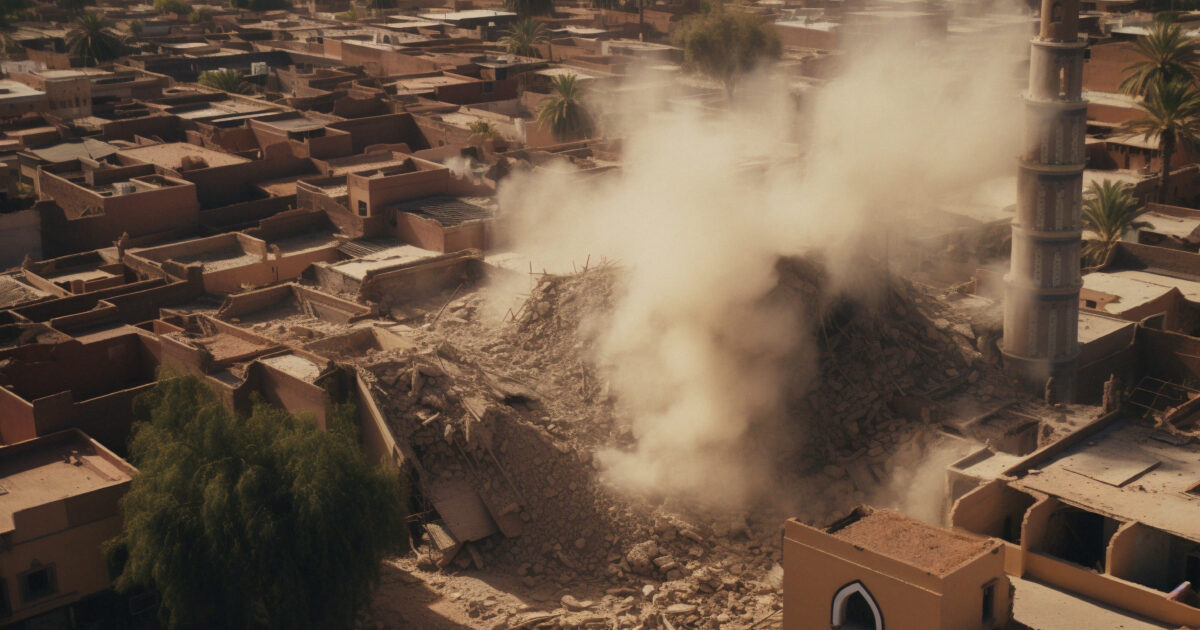
The escalation of the Iran-US war in February 2026 has fundamentally disrupted global energy markets. Military actions in and around the Strait of Hormuz, a critical chokepoint for global oil shipments, have led to a dramatic reduction in supply and a corresponding surge in crude oil prices to record highs. This has created a severe supply-side shock for energy-importing nations worldwide. India, which relies on imports for over 85 percent of its crude oil requirements, is highly vulnerable. The nation’s strategic petroleum reserves have been placed under pressure due to the ongoing crisis, forcing the government to implement austerity measures, prioritise domestic consumption over industrial, and increase fuel prices. In response to the fiscal pressure, the Indian government has implemented steep hikes in the prices of petrol, diesel, and Compressed Natural Gas (CNG), while also attempting to manage distribution through informal rationing. This has triggered an immediate public backlash. The price hikes have affected the transport sector, a critical component of the Indian economy, and fuelled inflation across all essential commodities.
What are the key risk indicators for GCCs?
Key risk indicators have shifted significantly from pre-crisis to current. Fuel prices and availability have moved from stable with predictable adjustments to record-high prices, extreme volatility, and widespread shortages due to supply constraints and hoarding. The transport sector has moved from largely stable and operational to a state of volatility due to organised and recurring strikes (‘chakka jam’) by trucking, taxi, and auto-rickshaw unions protesting fuel costs. Civil unrest has shifted from sporadic, localized, and issue-specific protests to more widespread and often larger protests against inflation and government policy. Supply chain reliability has moved from consistent and reliable to moderate to severely disrupted in some regions. Employee commute has become an increasing business continuity risk. The geopolitical threat level is elevated, with Western corporate assets (including GCCs) identified as potential symbolic targets for Iran-aligned actors.
How are GCCs in India affected by the crisis?
The global fuel crisis has translated into a series of acute, interconnected operational challenges for India’s GCCs. The impact extends beyond simple cost inflation, affecting talent mobility, power stability, and supply chains. GCCs, which are heavily concentrated in urban centers like Delhi-NCR, Bengaluru, Hyderabad, Chennai, and Pune, are significantly vulnerable to disruption. Employee mobility and commute have become increasingly challenging due to increased fuel costs, strained public transport, and widespread transport strikes. Transport and logistics disruptions have affected third-party logistics for employee transportation, courier services, hardware procurement, and facilities management. Increased operational costs have escalated due to higher diesel costs for backup power generation, pressure for cost-of-living salary adjustments, and expenses for ad-hoc secure transportation. Power grid instability from intense heatwaves and fuel shortages has forced GCCs to rely more heavily on diesel-powered generators. Supply chain disruption has affected the delivery of essential goods, including IT equipment, office supplies, and cafeteria provisions. Workforce morale and safety have been impacted by heightened financial stress, increased urban protests, and exposure to alarmist media coverage.
What are the civil unrest and security risks?
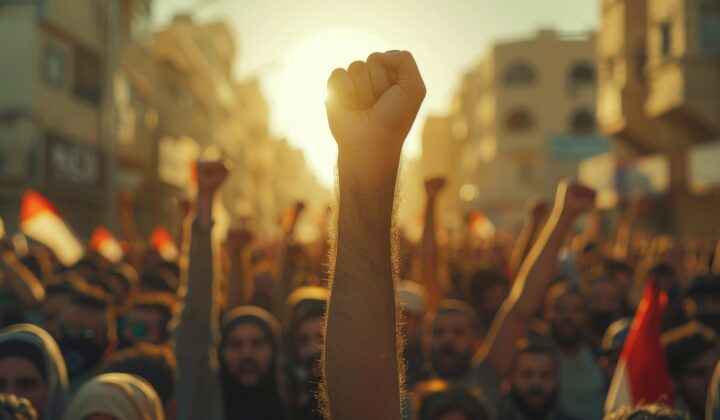
The fuel crisis has acted as a catalyst, exacerbating ongoing social and political mobilisation across India. For GCCs, this increases risks to the operating environment, where the effects of transport disruption are compounded by security threats arising from civil disturbances. Coordinated strikes by powerful transport unions have led to temporary disruptions across major cities. The recent ‘chakka jam’ demonstrated the ability of unions to create transport bottlenecks. Protests against inflation have become increasingly common, drawing large crowds and occasionally attracting support from opposition political parties. Localized disruptions over chronic civic issues, such as water shortages and power cuts, are also occurring. The geopolitical context of the Iran-US war, combined with domestic issues, creates an environment that could be exploited by extremist groups. Intelligence agencies have noted an uptick in threats, and a recent US State Department “Worldwide Caution” explicitly warns that groups supportive of Iran could target US interests, including high-profile American and Western corporations operating in India.
What is the government and corporate response?
The government’s primary focus has been on managing public dissatisfaction and maintaining essential services. Actions have included deploying security forces to manage protests, holding negotiations with transport unions, and attempting to secure alternative fuel supplies. State governments have selectively invoked the Essential Services Maintenance Act (ESMA) to counter strikes. Local police have come under more strain with managing recurring protests. GCC leadership is reviewing Business Continuity Plans, with a primary focus on shifting to remote work. Some major companies have announced internal changes, including reduced travel, reduced working hours, and increased virtual work. The Delhi government has implemented two-day work-from-home for government staff, with the private sector encouraged to follow voluntarily. Staggered office timings, “Metro Monday” campaigns, and reduced fuel quotas for official vehicles have been implemented. The Uttar Pradesh government has suggested hybrid work for large industrial units and IT firms in Noida, Ghaziabad, and Lucknow.
What should organisations and individuals do to prepare?
Organisations should build a dynamic, tiered work-from-home policy framework based on real-time risk intelligence. Establish secure, localized “micro-hubs” or book capacity in co-working spaces within major residential clusters. Ensure a minimum 10-day fuel supply for all critical backup generators and establish priority refueling agreements with multiple vendors. Activate a 24/7 Crisis Management Team to monitor the situation and issue real-time, geo-located safety and travel advisories to employees. Review and update BCPs to specifically model scenarios of prolonged transport disruptions and nationwide fuel shortages. Enhance physical security at all facilities. Conduct a specific threat and vulnerability assessment for all sites in the context of the Iran-US conflict. Establish formal liaison channels with local police and district-level disaster management authorities. Arrange for secure, consolidated shuttle services with pre-vetted, flexible routes, real-time tracking, and embedded security. Provide a temporary financial “hardship allowance” to all employees. Expand mental health and wellness support services. Individuals should reduce non-essential travel near known protest sites, government buildings, and major transport arteries. Enroll in company-provided security alert systems and monitor official advisories. Share travel plans and expected timings with managers and family members. Maintain a fully charged mobile phone and a power bank. Keep personal vehicles fuelled at all times. Anticipate significant traffic delays and plan alternate routes.
Frequently asked questions
What is the impact of the Middle East crisis on GCCs in India?
The Middle East crisis has caused fuel shortages, transport strikes, and civil unrest across India, directly impacting GCC operations through employee commute disruptions, supply chain bottlenecks, and increased operational costs.
Which cities in India have the highest concentration of GCCs?
The highest concentration of GCCs is in Delhi-NCR, Bengaluru, Hyderabad, Chennai, Pune, and Mumbai. Delhi has 8%, Mumbai 5%, Pune 8%, Hyderabad 9%, Bengaluru 17%, and Chennai 8% of India’s GCCs.
What are the emergency contact numbers for India?
National Emergency Response Centre: 112. National Disaster Management Authority (NDMA): +91-11-26701700. Delhi Police Control Room: 100 / 112. Delhi Traffic Police Helpline: 1095, +91-11-25844444. Centralized Accident & Trauma Services (CATS): 102 / 1099 (Ambulance).
Download the full advisory now
datasurfr’s Special Report on the Middle East Volatility and Impact on GCCs in India carries the complete risk assessment, the full government and corporate response matrix, and a detailed recommendations directory. Download the full advisory now to brief your travel and continuity teams.
Filed under: EMEAThreat Intelligence Special Reports