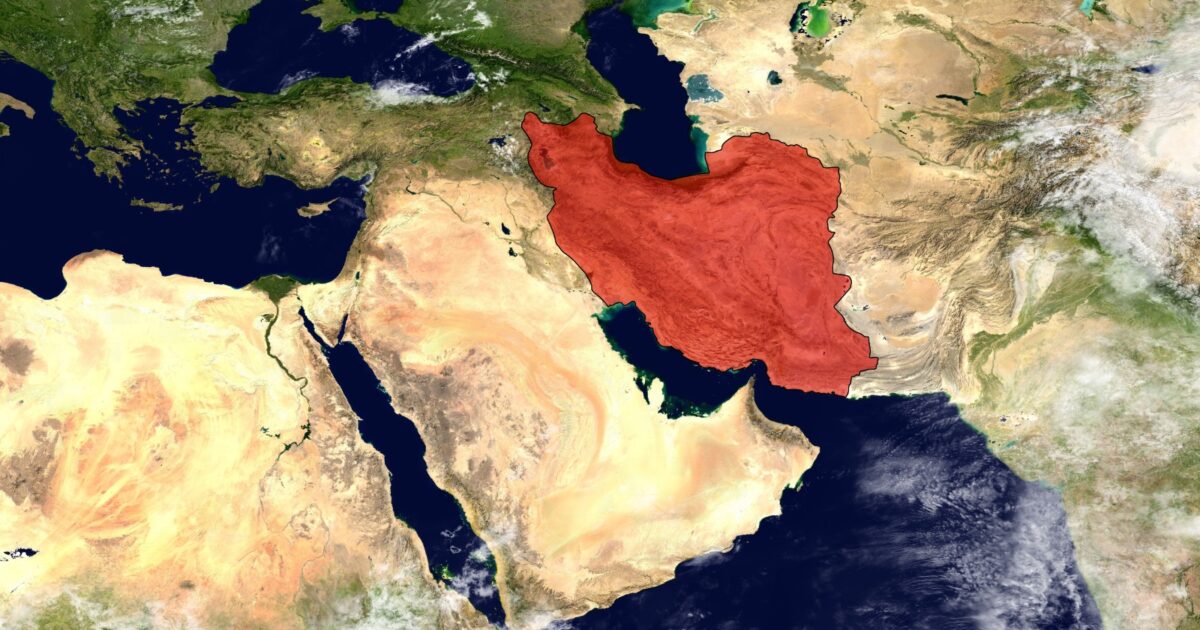
What are the main regional risks following airstrikes on Iran?
The immediate risk environment includes possible further military action, retaliatory activity, heightened alert levels and changes to security posture across the region. The scope and duration of disruption depend on subsequent developments and official responses. Organisations should distinguish confirmed incidents and restrictions from unverified reporting, and maintain a location-specific assessment rather than assuming uniform risk across all Middle Eastern countries.
How could escalation affect aviation and corporate travel?
Airlines may alter routes, suspend services or avoid designated airspace in response to security assessments and government restrictions. These changes can affect regional connections and long-haul flights that transit nearby air corridors, even where the origin or destination is outside the immediate area. Travel managers should check airline notices, airport operations and government travel advice before approving or continuing travel, and ensure employees have rebooking and contingency arrangements.
What are the implications for maritime trade and energy supply chains?
Businesses reliant on Gulf shipping, energy exports and regional port operations should monitor maritime advisories, carrier notices and insurance communications. Heightened security concerns can lead to longer routing, increased transit times, freight-cost volatility and changes in war-risk insurance terms. Energy-dependent sectors and manufacturers with time-sensitive inputs should assess supplier concentration, alternative sourcing and inventory coverage, while avoiding assumptions about the duration or scale of any market impact.
Which business functions should review their contingency plans?
Security, travel, procurement, logistics, finance and business continuity teams should coordinate their response. Companies should identify personnel and assets in potentially affected locations, review crisis escalation thresholds, and confirm decision-making authority for travel suspension, remote work or relocation. Procurement teams should map critical suppliers and logistics chokepoints; finance and insurance teams should review policy terms, exclusions, notification obligations and documentation requirements.
What practical steps should organisations take now?
Monitor official government and embassy advisories, aviation notices, port and maritime updates, and trusted security reporting. Establish regular staff welfare checks, keep emergency communication channels available and avoid non-essential movement through areas subject to active restrictions. Confirm alternative travel and freight options, review inventory and delivery commitments, and communicate realistic timelines to clients and employees. Reassess plans as verified information changes.
Frequently asked questions
What is the primary operational concern?
Localized and evolving disruption to movement, access and business schedules. Check current official advisories for the specific location and date.
Where can organisations find updates?
Use official government, police, embassy, transport operator and airline or carrier communications, supplemented by trusted risk intelligence.
What should businesses do first?
Account for personnel, review critical dependencies, establish communications and prepare practical alternatives for travel and logistics.
Download the full advisory now
MitKat’s full report contains additional event details, geographic context and operational considerations. Download the full advisory to brief travel, security and business continuity teams.
Filed under: EMEAThreat Intelligence Advisories