What is happening in the Middle East conflict and how is Indonesia responding?
According to datasurfr’s update, hostilities began on 28 February 2026 with a joint US-Israeli airstrike that killed Iran’s Supreme Leader, Ayatollah Ali Khamenei; Iran has since named Mojtaba Khamenei as his successor and retaliated against US installations and civilian infrastructure in Bahrain, Qatar, Iraq, Kuwait and the UAE. Tehran has also warned that security in the Strait of Hormuz is no longer guaranteed. Indonesia’s response has balanced a condolence letter to Iran with an offer to mediate between Washington and Tehran, coordination with the D-8 group and Pakistan, the phased evacuation of citizens from Tehran and Qom, and continued pragmatic ties with the United States. Domestic pressure is rising from the Indonesian Ulema Council and opposition lawmakers for a firmer stance, including withdrawal from the US-led Board of Peace.
What is the Middle East conflict impact on Indonesia’s economy and energy supply?
Roughly 25 percent of Indonesia’s crude imports traditionally pass through the Strait of Hormuz, and two vessels belonging to the state-owned energy company were stranded there during the escalation. Global crude has oscillated between USD 83 and USD 114 per barrel against a USD 70 assumption in the 2026 budget, and the Finance Minister has noted that each USD 1 rise in the Indonesian Crude Price adds roughly IDR 3–4 trillion to the subsidy and compensation bill. The government has frozen subsidised fuel prices for now but is weighing an increase for Pertalite and Solar if Brent stays above USD 100, in order to keep the deficit under the 3 percent of GDP cap. Windfall revenue from coal and palm oil partly offsets the cost. Pertamina is diversifying imports towards the United States, Brazil and West Africa, national crude storage is being expanded from 26 to 90 days, and non-essential infrastructure spending may be reprioritised to fund the reserve.
Which Indonesian sectors and supply chains face the most disruption?
The conflict is creating cost-push inflation across industries. Exporters of palm oil, rubber and textiles report 15–20 percent higher freight insurance and 10–14 extra days to Europe as vessels avoid the Suez Canal and sail around the Cape of Good Hope. Fertiliser is a major concern: urea and NPK prices have risen about 20 percent and Pupuk Indonesia is struggling to secure nitrogen-based inputs, which threatens the 2026 rice and corn planting seasons. Manufacturers reliant on diesel and gas face margin compression, tobacco producers face higher freight and packaging costs and the possibility of an emergency mid-year excise hike, and airlines face war-risk premiums that have lifted ticket prices and cancelled some Middle Eastern and European corridors. Imported electronics and specialised consumer goods are beginning to carry shipping surcharges, a form of stealth inflation for consumers.
What are the security, protest and travel risks?
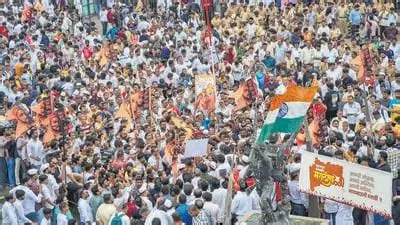
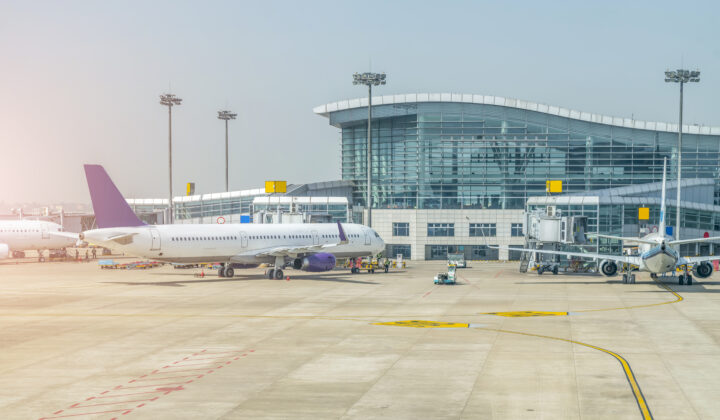
Large demonstrations have continued in Jakarta and other cities, including a 6 March protest outside the Parliament complex and a 3 March protest at the US Embassy, where participants urged withdrawal from the Board of Peace and the cancellation of a proposed trade agreement with the United States. Rallies typically gather at the US Embassy, the DPR/MPR complex in Senayan, and major mosques and campuses across Jakarta and West Java. Several foreign missions have issued demonstration warnings, and authorities remain alert to extremist groups exploiting the conflict online. Boycott campaigns against brands such as McDonald’s, Starbucks, KFC, Nestlé and Unilever, rooted in a 2023 Indonesian Ulema Council fatwa, have measurably altered consumer behaviour. On the travel side, Garuda Indonesia suspended Jakarta–Doha flights from 28 February, long-haul routes face rerouting, and discussions are under way on suspending 2026 Hajj departures.
What should organisations and individuals do to prepare?
Individuals should avoid transiting Iraq, Syria, Qatar, Kuwait, Bahrain or Israel unless airspace and airport operations are confirmed, reconfirm flight status 6–12 hours before departure, carry hard copies of documents and cash for exit fees, and keep several communication channels open, including satellite messaging apps or VPNs. Organisations should monitor Indonesian government statements, maintain 24/7 traveller tracking, issue regular advisories, review war-risk insurance, diversify suppliers and logistics routes, set up secondary procurement for suppliers dependent on Middle East energy, and ensure expatriate staff are registered with their embassies. Maritime operators should reassess transits through the Persian Gulf and the Strait of Hormuz. The full report sets out the Middle East conflict impact on Indonesia in more detail, along with important embassy and airline contacts.
Frequently asked questions
How big is the Middle East conflict impact on Indonesia’s oil supply?
About 25 percent of Indonesia’s crude imports have traditionally come from the Middle East via the Strait of Hormuz, which is why Jakarta has begun shifting procurement towards the United States and other non-Middle Eastern suppliers.
Have Indonesia’s subsidised fuel prices gone up?
As of 10 March 2026, the government had frozen subsidised fuel prices and was using the state budget as a buffer, but it was weighing a hike in Pertalite and Solar prices if Brent crude stays above USD 100.
Where are protests taking place in Jakarta?
Rallies typically gather outside the US Embassy in Central Jakarta and the DPR/MPR Parliament complex in Senayan, as well as at major mosques and university campuses across Jakarta and West Java.
Download the full update now
datasurfr’s Situational Update on the Middle-East Conflict and its impact on Indonesia carries the full government response, sector-by-sector analysis, security and travel advisories, trade and logistics implications, and a directory of important contacts. Download the full update now to brief your travel and continuity teams.
Filed under: APACRegional Risk Reviews