What is the measles outbreak in Bangladesh 2026?
Measles (Rubeola) is a highly contagious airborne disease caused by the Measles morbillivirus (MeV). It spreads when an infected person breathes, coughs, or sneezes. The virus infects the respiratory tract first before spreading rashes throughout the body over a span of 14 days. It is a life-threatening illness that can cause serious complications and fatalities, particularly in children under five years and people with weakened immune systems. Bangladesh is currently facing one of its worst measles crises in years. Since March 2026, measles cases have spread rapidly, concentrating in high-population zones like Dhaka, Rajshahi, Chattogram, and Cox’s Bazar. While the number of measles cases usually staggers around 280 annually, the present crisis has seen a substantial increase with more than 7,000 confirmed cases. A majority of these cases have been attributed to children under the age of five, with roughly 37 percent of cases among children between five and 15 years of age. Experts claim that immunization gaps and poor vaccination programs have led to lower herd immunity, thereby accelerating the disease’s spread.
When did the outbreak begin and how many cases have been reported?
The outbreak began in March 2026 and has defied the normal rate of dispersion typically seen in the country. As of 12 May, the Bangladesh Directorate General of Health Services (DGHS) recorded 1,105 new suspected measles cases over a 24-hour period, bringing the total number of cases to 51,567. Health officials have reported 7,024 confirmed measles cases since 15 March. Nearly 37,000 children with measles symptoms were admitted to hospitals, and more than 32,000 have recovered and been discharged. Nine more children have died from measles, bringing the total number of deaths to 424. The deaths were reported in Sylhet, Dhaka, Chattogram, Mymensingh, and Khulna divisions. Several measles cases were reported in the refugee camps of Cox’s Bazar earlier this year. The disease has since spread to more than 58 of Bangladesh’s 64 districts.
Which areas in Bangladesh are most affected?
The outbreak is concentrated in high-population zones. In Chattogram, health authorities have identified nine wards as measles hotspots: Jalalabad, Chandgaon, North Pahartali, Lalkhan Bazar, East Bakalia, Alkaran, South Middle Halishahar, South Halishahar, and North Patenga. Other affected areas include Rajshahi (Chapai Nawabganj City, Pabna City, Natore City, Rajshahi City), Mymensingh (Mymensingh City), Dhaka (Mohakhali, Dhaka City), Khulna (Mongla Municipality), Barisal (Barisal City), and Cox’s Bazar (Cox’s Bazar city, Moheshkhali, Ramu, and Rohingya Refugee Camps). During a vaccination coordination meeting, the Chattogram City Mayor announced that vaccination of infants had reached 93.8 percent and that the remaining children will be vaccinated within the next 10 days.
What are the symptoms and complications of measles?
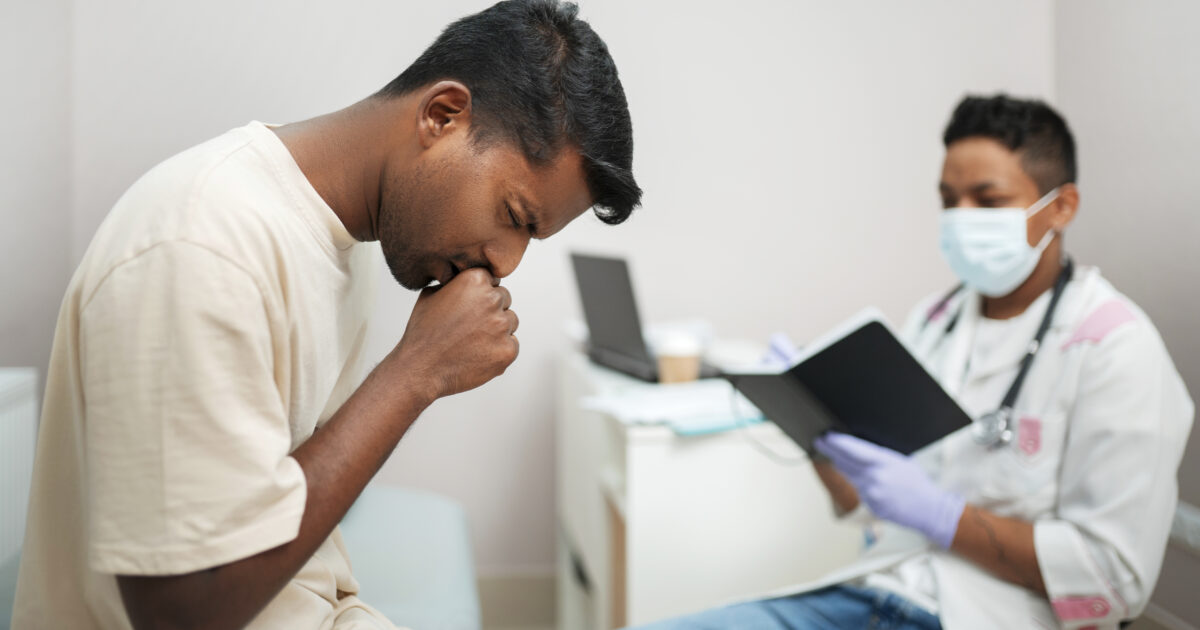
Symptoms roughly begin seven to 14 days after infection. The disease usually manifests first through high fever, cough, runny nose, and conjunctivitis. Two to three days later, tiny white spots known as Koplik spots may appear inside the mouth or on the cheeks. A few days after that, the patient typically develops a measles rash, beginning from the face and slowly spreading throughout the body. The measles rash consists of red spots and small raised skin lesions, joining into a larger red patch as it spreads. Fever will likely spike to 104–105 degrees Fahrenheit as the rash begins to spread and will last for seven to 10 days. Complications can result in hospitalization, premature births, and even death. These post-disease complications may include ear infections, diarrhoea and dehydration, blindness, encephalitis (brain swelling), severe respiratory infections such as pneumonia, and subacute sclerosing panencephalitis (SSPE) in rare cases occurring seven to 10 years after infection.
Who is at high risk and how does measles spread?
High-risk groups include unvaccinated young children under five, unvaccinated pregnant women, unvaccinated adults older than 30, people with weakened immune systems (HIV, cancer, diabetes), healthcare workers and caregivers, and household contacts of confirmed cases. Measles is airborne and can be transmitted through coughing and sneezing. Transmission can also happen through close personal contact or direct contact with nasal or throat secretions. Touching a contaminated surface can also lead to the spread of the disease; the virus can remain active and contagious in air or on surfaces for up to two hours. An infected person can pass on the virus for up to four days before the rash appears and for up to four days after the rash has appeared.
What is the government response and vaccination campaign?
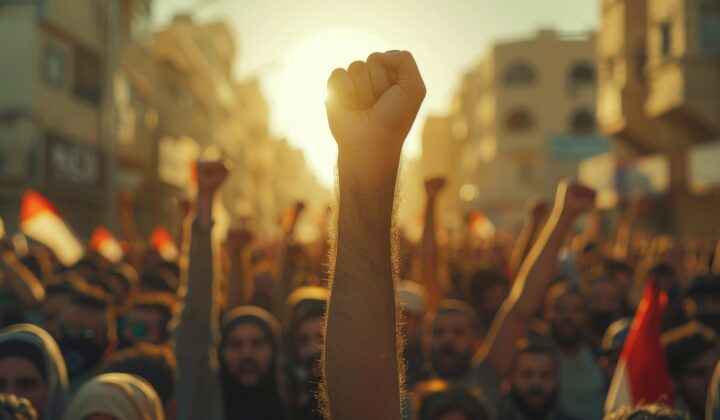
On 05 April, the government launched an emergency measles-rubella vaccination campaign in partnership with UNICEF, WHO, and Gavi (the Vaccine Alliance). The campaign aims to target 1.2 million children below the age of five residing in 30 high-risk upazilas. The government plans to form an investigative committee, comprising international organisations, to analyze vaccine shortages and possible cases of negligence within the crisis. Furthermore, the government has begun to strengthen nationwide surveillance and epidemiological analysis to enhance case detection and reporting. The current public health crisis has resulted in civil unrest in the form of protest marches and rallies. On 11 May, leaders of the Socialist Party of Bangladesh held a protest rally in front of the National Press Club in Dhaka, calling on the government to investigate those responsible for the crisis and demanding measures including building surveillance centers and intensive care units. On 13 May, students from the University of Rajshahi staged a protest march around their campus, joined by activists and leftist organisations.
What should organisations and individuals do to prepare?
Organisations should activate internal health and safety protocols in line with state advisories, including symptom monitoring and reporting mechanisms for employees. Adopt workplace infection-control measures, such as mandatory hand hygiene stations, mask availability, and routine surface sanitation, especially in shared areas like cafeterias, meeting rooms, and lifts. Encourage remote work or staggered staffing where feasible for employees in high-contact roles or those exhibiting mild symptoms. Ensure no symptomatic employees are allowed onsite; enforce strict stay-home guidance for fever, headache, respiratory, or neurological complaints. Provide employees with measles awareness briefings, including symptom lists, high-risk exposures, and guidance on when to refer staff for medical evaluation. Maintain communication links with district health authorities and comply with testing, notification, or quarantine directives where required. Employees at risk of exposure can be encouraged to get the MMR vaccine as a precaution, if they have not already. Individuals should consult a doctor immediately if showing symptoms. The CDC recommends children get two doses of the MMR vaccine, starting with the first dose at 12 through 15 months of age, and the second dose at four through six years of age. Good diet, fluid consumption, and WHO-recommended oral rehydration treatment help decrease measles complications. Stay updated and responsive to official government advisories, and avoid sharing unverified information or rumours. Avoid close contact with symptomatic persons. Seek immediate medical attention if experiencing measles-like symptoms, and follow testing or quarantine advice. Individuals who have not received vaccination against measles are advised to take the MMR vaccination within 72 hours after exposure to be effective in its prevention.
Frequently asked questions
When did the measles outbreak begin in Bangladesh?
The outbreak began in March 2026 and has spread rapidly across the country, with cases reported in 58 of 64 districts as of 12 May 2026.
How many measles cases and deaths have been reported?
As of 12 May 2026, there have been 51,567 suspected cases, 7,024 confirmed cases, and 424 deaths.
What are the emergency contact numbers for Bangladesh?
Emergency Services (Police, Fire, Ambulance): 999. Ministry of Health and Family Welfare (MOHFW): +880-2-7160204 / +880-2-7168008. Directorate General of Health Services (DGHS): https://www.dghs.gov.bd/. Infectious Diseases Hospital, Mohakhali: 01776-402895.
Download the full advisory now
datasurfr’s Special Advisory on the Update on Measles Outbreak in Bangladesh 2026 carries the complete case data, the full government response, and a detailed contacts directory. Download the full advisory now to brief your travel and continuity teams.
Filed under: India-South AsiaThreat Intelligence Special Reports