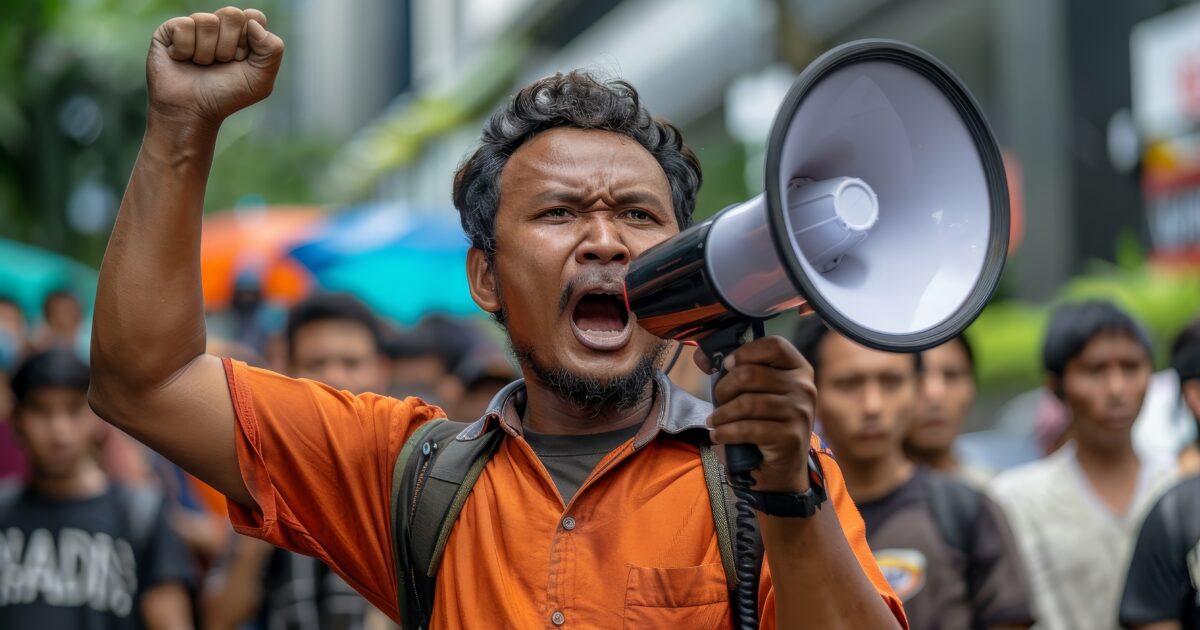
What is the Karnataka Bandh 2026?
The Karnataka Bandh 2026 is a 12-hour statewide shutdown called by pro-Kannada organisations led by Vatal Nagaraj, a former MLA and veteran activist. The bandh is scheduled for 13 August 2026 from 0600 to 1800 hours IST. It is being held in opposition to the Cauvery Water Management Authority’s (CWMA) directive requiring Karnataka to release 3,500 cusecs of Cauvery water daily to Tamil Nadu for 15 days. Organisers argue that short-term monsoon relief does not resolve the long-term structural water dispute. The bandh is supported by several pro-Kannada groups, student unions and regional outfits, though participation among some organisations remains uncertain.
When and where will the bandh take place?
The bandh will be observed on 13 August 2026 from 0600 to 1800 hours IST across Karnataka. Bengaluru is expected to serve as the principal mobilisation centre, particularly around Freedom Park, Town Hall, Mysuru Bank Circle, Silk Board Junction, Electronic City, Sarjapur, Hebbal, Vidhana Soudha and Karnataka High Court precincts. Other key areas include Mysuru, Mandya, Ramanagara, and the Karnataka–Tamil Nadu border, especially the Attibele check-post on NH-44. Organisers have announced rasta roko (road blockades), demonstrations and protest rallies at various locations.
What are the main demands?
The bandh’s main demands include: opposition to the CWMA directive and a halt to the release of Cauvery water to Tamil Nadu; immediate approval and expedited implementation of the Mekedatu balancing reservoir project; expedited implementation of the Mahadayi (Kalasa-Banduri Nala) project; adoption of a formal resolution declaring Belagavi an integral and inseparable part of Karnataka; and publication of a government White Paper on the development of North Karnataka, covering developmental, agricultural, irrigation and industrial investment.
What is the current situation regarding support?
Vatal Nagaraj has claimed support from more than 2,000 Kannada organisations, student unions and regional outfits. Mandya-based Kannada organisations, including the Kannada Sene, have confirmed participation. The Karnataka Film Chamber of Commerce (KFCC) has extended support. However, major factions of the Karnataka Rakshana Vedike (Narayana Gowda, Praveen Shetty, Shivaramagowda) have withdrawn or indicated withdrawal of support, citing improved rainfall and reservoir levels. The Karnataka Association of Private School Managements (KAMS) has withdrawn its earlier support, though private schools in Bengaluru will remain open and staff may wear black armbands. The Bangalore Hotels Association has extended moral support but appealed to withdraw the bandh. The Adarsha Auto and Taxi Drivers’ Union has announced support, while the Ola and Uber Cab Aggregators Owners and Drivers Association has indicated it is not inclined to support. Major business associations, including FKCCI and KASSIA, have not announced participation. A meeting of Kannada organisations was scheduled for 11 August to discuss differences.
What are the impacts on transport and businesses?
Bengaluru is expected to witness the highest protest activity, with increased pedestrian movement, barricading, security checks and temporary traffic diversions. The highest operational risk arises from reduced last-mile connectivity rather than a complete shutdown of public transport. BMTC and KSRTC services may operate with reduced frequency or face temporary suspension. Reduced availability of auto-rickshaws, taxis and private buses could increase commuter waiting times. Interstate passenger and freight movement along the Bengaluru–Hosur–Chennai corridor may face delays, particularly around Attibele. Commercial establishments in Bengaluru and other areas with active mobilisation may experience temporary closures or reduced operating capacity. Supply-chain and logistics operations may experience delays due to restrictions on freight movement and congestion on major highways. Airports, railway services and Namma Metro are not currently subject to announced service suspensions, but road access may be affected. Emergency and essential services are expected to remain operational.
What should organisations and individuals do to prepare?
Organisations are advised to assess office operations and consider flexible working arrangements, particularly in Bengaluru and other areas expected to experience protest activity. Maintain a flexible Standard Operating Procedure for employee movement, business continuity and supply-chain operations. Account for additional transit time when scheduling employee travel, deliveries and freight movement on 13 August. Make contingency arrangements for road freight and factor potential delays into delivery schedules. Assess alternative transportation arrangements for essential personnel. Review site-security arrangements and monitor employee and visitor movement. Communicate expected disruptions to employees in advance. Monitor official updates from the Government of Karnataka, Bengaluru Traffic Police and local police authorities.
Individuals should avoid non-essential travel across Karnataka during the bandh period. Where travel is unavoidable, allow additional time and check traffic and transport conditions before departure. Avoid protest locations, road-blockade sites and major areas of mobilisation. Those travelling between Karnataka and Tamil Nadu should anticipate delays or temporary restrictions along major interstate corridors, particularly around Attibele. Verify access conditions before travelling to airports, railway stations or bus terminals. Verify service availability for public or app-based transportation. Keep mobile phones charged and carry essential identification documents. Monitor official announcements and avoid unverified information on social media. Avoid protest gatherings and locations where clashes are reported.
Frequently asked questions
When is the Karnataka Bandh 2026?
The bandh is scheduled for 13 August 2026 from 0600 to 1800 hours IST.
What is the reason for the bandh?
It is in protest against the Cauvery Water Management Authority’s directive requiring Karnataka to release 3,500 cusecs of Cauvery water daily to Tamil Nadu for 15 days, and to press for long-term water security measures.
Which areas are most affected?
Bengaluru is the principal mobilisation centre, with impacts also expected in Mysuru, Mandya, Ramanagara, and along the Karnataka–Tamil Nadu border, especially at Attibele on NH-44.
What are the emergency contact numbers?
National Emergency Response Support System: 112; Police: 100; Ambulance: 108; Fire: 101; District Emergency Operation Centre (DEOC): 1077; National Highway Helpline: 1033; Bengaluru Traffic Police: 1095 / +91-80-2294-3030.
Download the full advisory now
MitKat’s Special Advisory on the Karnataka Bandh carries the complete impact assessment, support matrix, and recommendations. Download the full advisory now to brief your travel and continuity teams.
Filed under: India-South AsiaThreat Intelligence Special Reports