What happened in the Israel-US airstrikes on Iran on 28 February 2026?
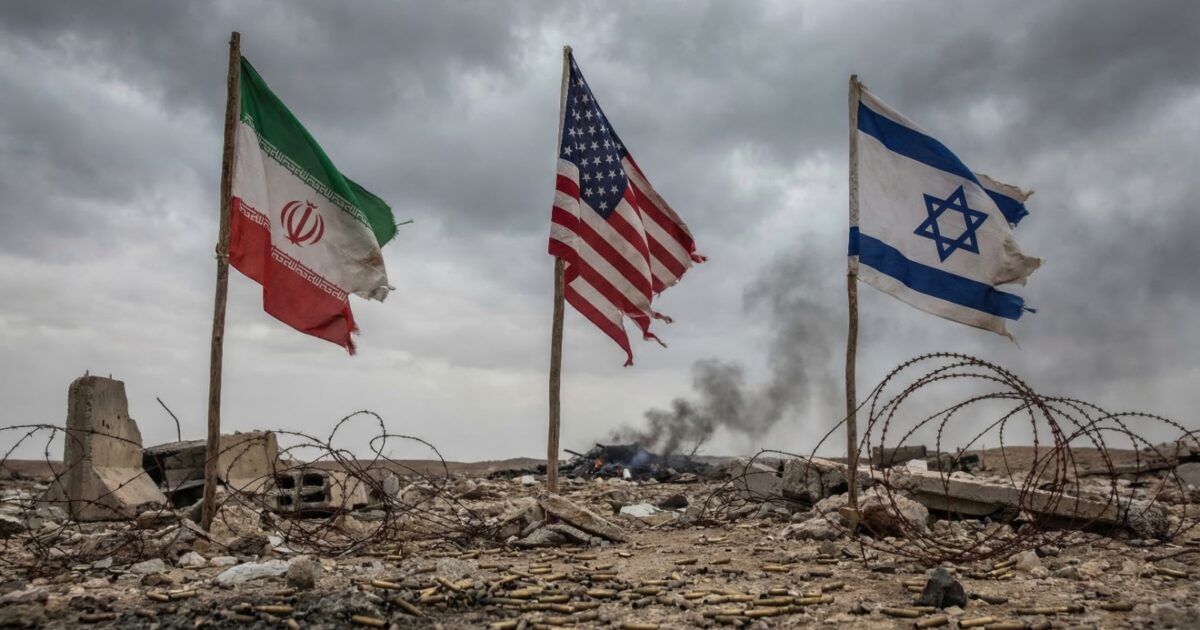
Israel and the United States launched a coordinated military campaign against Iran on the morning of 28 February 2026, under Operation Roaring Lion (Israel) and Operation Shield of Judah (joint, US-led). Key strike zones in Tehran included the Presidential building complex, the Ministry of Intelligence, the Ministry of Defense and the Iranian Atomic Energy Agency, with smoke reported near the offices of Supreme Leader Ayatollah Ali Khamenei, who has reportedly been moved to a secure location. Strikes also hit Isfahan’s nuclear research centre, Qom, Karaj, Kermanshah, Tabriz missile bases and the Parchin military complex. The strikes follow the June 2025 Israel-Iran 12-day war and failed Geneva nuclear talks, after a US ultimatum on Iran’s nuclear breakout status.
How has Iran retaliated across the Gulf?
Iran launched a wide-scale retaliatory campaign against US military installations and allied territories. In Israel, heavy explosions were reported in Haifa and the Galilee, sirens sounded in Tel Aviv and Jerusalem, and the Defense Minister declared a special state of emergency. In Bahrain, smoke was seen at the US Fifth Fleet headquarters in Manama; in the UAE, explosions were reported in Abu Dhabi and Dubai, with one fatality confirmed in Abu Dhabi after missile interceptions. Iran’s IRGC confirmed targeting Al Salem Air Base in Kuwait and Al Udeid Air Base in Qatar, where at least one missile was intercepted, and sirens sounded nationwide in Jordan as missiles crossed its airspace.
Which airspaces are closed and how are flights affected?
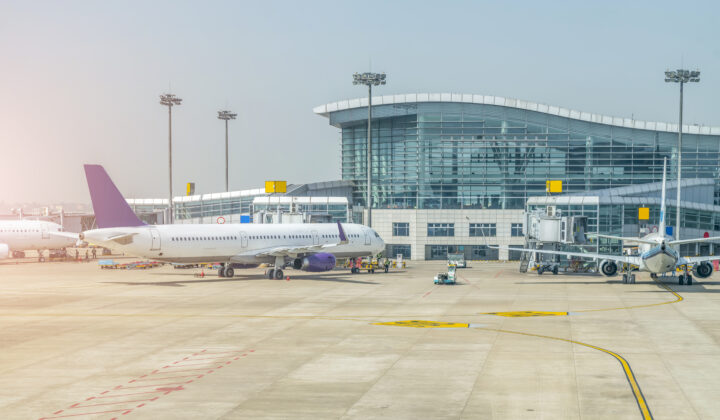
As of the evening of 28 February, the airspaces of Iran, Israel, Iraq, Jordan, Kuwait and, partially, the UAE were closed to civilian traffic. Air India, IndiGo, Lufthansa, Wizz Air, Air France, Qatar Airways, Turkish Airlines and Emirates have cancelled, delayed or rerouted hundreds of flights. The closure of major Gulf hubs such as Dubai and Abu Dhabi severs the primary air bridge between Europe and Asia and breaks intercontinental cargo and passenger transit flows, with sustained suspensions and long-term rerouting via secondary hubs forecast.
What is the impact of the Israel-US airstrikes on Iran on energy, shipping and markets?
Oil and gas prices are spiking on supply-route risk, with LNG and crude export infrastructure exposed and a sustained war premium expected. Shipping through the Strait of Hormuz, Arabian Gulf and Red Sea faces delays, higher freight rates and insurance surcharges. Regional bourses are showing extreme volatility and risk-off sentiment, with a possible suspension of trading on major Middle Eastern exchanges if escalation continues, while cyber threats are elevated amid geopolitical escalation.
What should organisations and individuals do now?
All personnel in Israel, Jordan, Bahrain and the UAE should remain indoors and identify the nearest hardened shelter or safe room. Suspend departure attempts from regional airports until NOTAMs are lifted, and attempt land-border crossings, such as UAE to Oman, only if verified safe by local security teams. Use satellite phones or low-bandwidth messaging apps because cellular networks may be throttled or destroyed, strengthen cybersecurity against Iranian-linked actors, and invoke force majeure clauses for shipments transiting the Persian Gulf or Red Sea.
Frequently asked questions
What are the operations called?
Israel’s operation is codenamed Operation Roaring Lion and the joint, US-led operation is Operation Shield of Judah.
Which Gulf states has Iran targeted in retaliation?
Reports cover Israel, Bahrain, the UAE, Kuwait, Qatar and Jordan, including Al Udeid Air Base in Qatar, Al Salem Air Base in Kuwait and the US Fifth Fleet headquarters in Bahrain.
Which airspaces are closed?
The airspaces of Iran, Israel, Iraq, Jordan and Kuwait, and partially the UAE, were closed to civilian traffic as of the evening of 28 February 2026.
How should companies protect staff in the region?
Shelter in place, suspend airport departures until NOTAMs lift, use satellite or low-bandwidth communications, and confirm any land-border crossing with local security teams first.
Download the full report now
MitKat’s Risk Flash on the coordinated Israel-US airstrikes on Iran carries the full domain-by-domain business impact and forecast matrix and the complete list of current strike and retaliation locations. Download the full report now to brief your crisis-management and travel-security teams.
Filed under: EMEARegional Risk Reviews