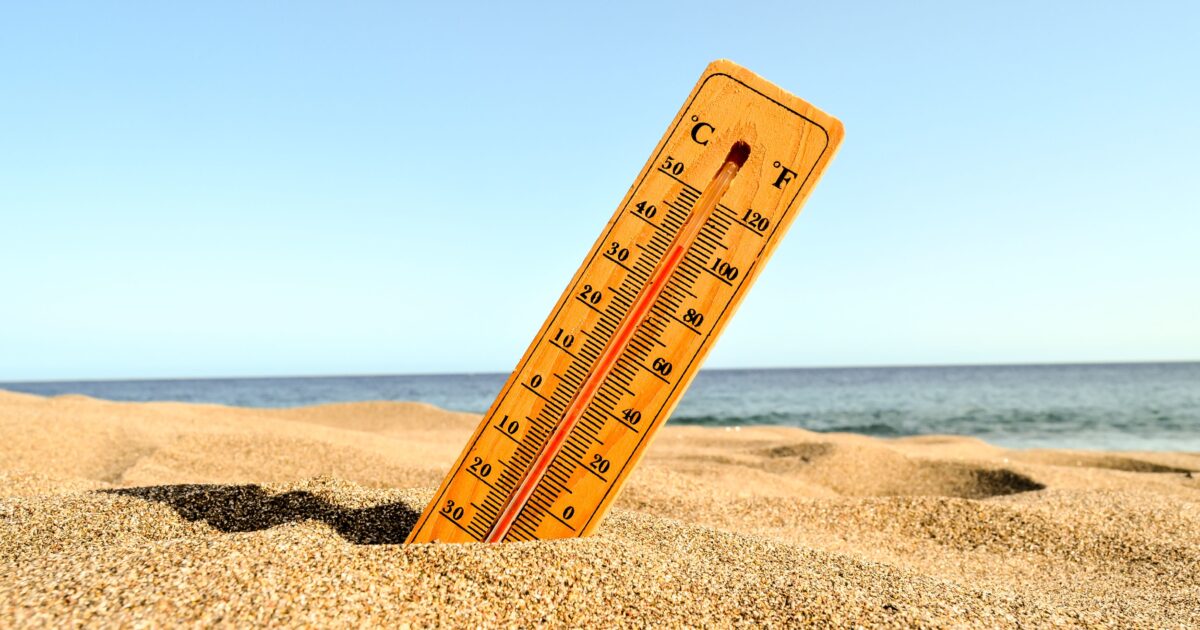
What is a heatwave and when does it occur in India?
A heatwave occurs when both maximum and minimum temperatures rise above normal levels for a duration exceeding three days at a specific location. Typically, in India, heatwaves manifest between March and May, easing out in June due to the advancing monsoon season. Heatwaves are considered if the maximum temperature reaches at least 40 degrees Celsius or more for plains and at least 30 degrees Celsius or more for hilly regions. More than 100 deaths due to heatstroke and related injuries are reported during the summer season every year. During heatwaves, air temperature becomes fatal to the human body when exposed.
What is the IMD forecast for March to May 2026?
During the March to May (MAM) season 2026, above-normal number of heatwave days are likely over most parts of east and east central India, many parts of southeast Peninsula and some parts of the northwest and west central India. Maximum and minimum temperatures are expected to be above normal across most parts of India, except for some parts of the northwest and west central India where maximum temperatures may remain normal or below normal. Above-normal temperatures are expected to intensify following a period of temporary relief in March. IMD’s spatial forecast shows above-normal heatwave days this summer over parts of Haryana, Punjab, Rajasthan, West Bengal, Bihar, Odisha, Andhra Pradesh, and parts of Uttar Pradesh, where heatwave days may be 03 to 15 days above normal.
Which regions and cities are most vulnerable?
India states and union territories most likely to face heatwaves include Delhi, Maharashtra, Goa, Kerala, Gujarat, Rajasthan, Tamil Nadu, Andhra Pradesh, Madhya Pradesh, and Uttar Pradesh. City-specific vulnerabilities include: Delhi, which regularly records temperatures exceeding 45 degrees Celsius, with peak electricity demand over 8,500 MW and water supply challenges; Bengaluru, facing severe urban water crises with groundwater depletion and dependence on tanker supply in Whitefield, Sarjapur Road, Electronic City, and other suburbs; Pune, relying on the Khadakwasla dam system with water stress in Wagholi, Hadapsar, Baner, Wakad, Hinjewadi, Kharadi, and Undri; Mumbai, receiving water from seven reservoirs but with localised stress in Dharavi, Kurla, Govandi, Mankhurd, Chembur, and Sion; Ahmedabad, experiencing extreme heatwave conditions with temperatures exceeding 46 degrees Celsius, especially in industrial areas Naroda, Vatva, Odhav, Changodar, and Sanand; and Hyderabad, with rising temperatures crossing 43 degrees Celsius, affecting IT hubs HITEC City, Gachibowli, Madhapur, Kondapur, and Financial District.
What are the symptoms and first aid for heat-related illnesses?
Heat disorders include dehydration (dark urine, dizziness, dry mouth, fatigue), sunburn (skin redness, pain, swelling, blisters, fever, headaches), heat cramps (painful spasms in leg and abdominal muscles, heavy sweating), heat exhaustion (heavy sweating, weakness, pale skin, headache, clammy skin, weak pulse, fainting, vomiting), and heat stroke (high body temperature 106+ degrees Fahrenheit, hot and dry skin, rapid and strong pulse, heavy sweating, unconsciousness). First aid includes moving to a cool place, drinking water or ORS solution, cold showers, applying firm pressure on cramping muscles, applying cool wet cloths, and seeking immediate medical attention for heat stroke, which is a severe medical emergency requiring an ambulance.
What are the impacts on businesses and residents?
Long-term impacts include psychological disorders, fuel shortages, environmental problems, agricultural damage, and infrastructural damage. Short-term impacts include physical strain and health issues, stress, power and water supply interruptions, travel disruptions, and the need for flexible/remote work arrangements. Heatwaves can result in lower agricultural yields, surges in prices, peak electricity consumption leading to power outages, and water shortages in urban centres. Businesses should prepare for potential delays in supply chain operations due to the suspension of trains and other transport modes caused by warping due to intense heat.
What should organisations and individuals do to prepare?
Organisations should ensure adequate water and power backups to mitigate the risk of unscheduled power outages, conduct regular inspections and servicing of appliances to prevent overheating, turn off machines when not in use, offer flexible work arrangements to limit employees’ exposure to hot weather, provide outdoor employees sufficient water and cool/shaded break areas, prepare for potential delays in supply chain operations, provide training and resources on heatwave preparedness and emergency response, arrange for a medical practitioner/supervisor on site, pay extra attention to high-risk categories including pregnant workers and workers with pre-existing medical conditions, and maintain stocks of basic medication including electrolytes and ORS. Individuals should avoid non-essential outdoor activities during peak heat hours (1200–1600), avoid strenuous physical activity in the afternoon, carry water and food/fluids with glucose when stepping outdoors, avoid consuming food or beverages not stored properly, limit consumption of alcohol, tea, coffee and carbonated soft drinks, recognise symptoms of heat stroke, wear cotton or lightweight clothes, use umbrella, cap, and sunglasses, remain vigilant of heatwave-related advisories, and refer to the National Disaster Management Authority website for updates or call 108/102 for assistance.
Frequently asked questions
When is the heatwave season in India in 2026?
The heatwave season typically runs from March to May, with the India Meteorological Department forecasting above-normal heatwave days during March to May 2026 across most parts of east and east central India, many parts of southeast Peninsula, and some parts of northwest and west central India.
What are the IMD heatwave warning levels?
Green: No Action (normal day). Yellow Alert: Be updated (heat wave conditions at district level likely to persist for two days). Orange Alert: Be prepared (severe heat wave conditions persist for two days, or heat wave likely to persist for four days or more). Red Alert: Take Action (severe heat wave persists for more than two days, or total maximum temperature number of heat/severe heat wave days likely to exceed six days).
What are the emergency contact numbers for India?
Nationwide: All-in-One Emergency (ERSS) 112, Police 100, Ambulance 108 or 102, Fire 101, Women’s Helpline 1091.
Download the full advisory now
datasurfr’s Special Advisory on the Heatwave Season in India 2026 carries the complete city-specific impact maps, the full IMD heatwave outlook, and a detailed contacts directory. Download the full advisory now to brief your travel and continuity teams.
Filed under: India-South AsiaThreat Intelligence Special Reports