KEY TAKEAWAYS
- Ganesh Chaturthi 2026 runs 14-25 September, with idol installation on 14 September and large-scale immersion processions culminating on Anant Chaturdashi, 25 September.
- Mumbai, Pune, Bengaluru and Hyderabad are expected to see the heaviest disruption, with heavy-vehicle restrictions, road closures and no-parking zones in effect across multiple date windows.
- Mumbai has imposed public-order restrictions until 23 September, prohibiting gatherings of five or more people, processions, loudspeakers and firecrackers outside permitted events.
- Metro and rail services are being extended in Mumbai and Pune to accommodate festival footfall, alongside toll exemptions for Konkan-bound devotee traffic from 11-27 September.
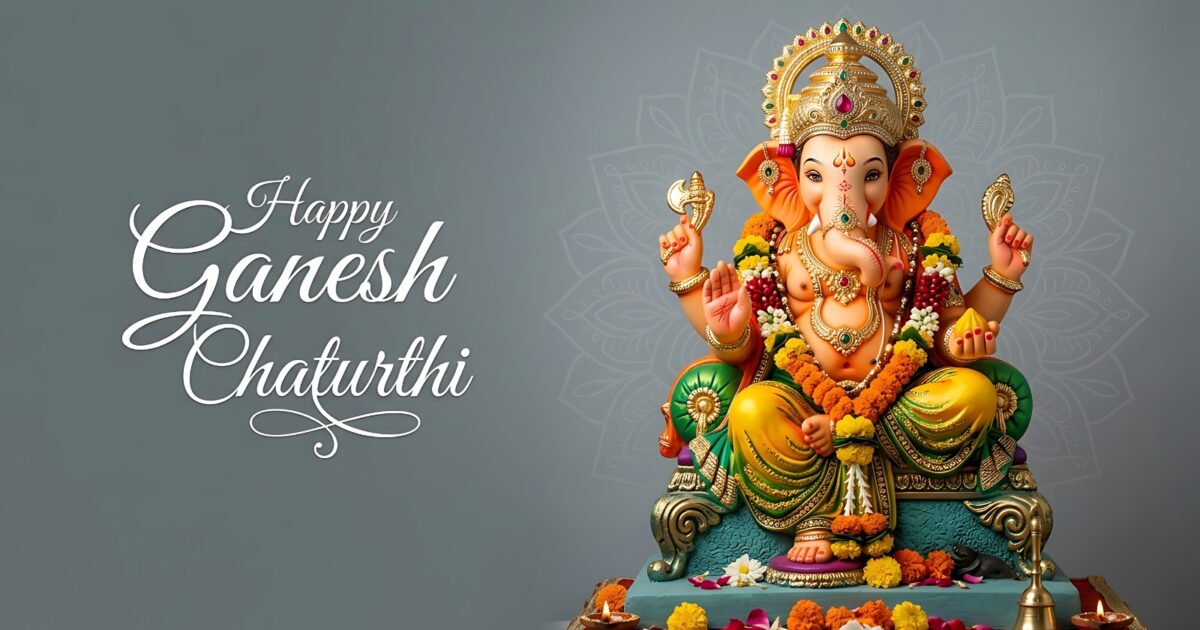
Ganesh Chaturthi 2026 disruptions span 11 days of celebration across India, commencing 14 September with the ceremonial installation of Ganesha idols and culminating in Anant Chaturdashi on 25 September, when large-scale immersion processions take place. The festival is most prominent in Maharashtra — particularly Mumbai and Pune — with substantial celebrations also expected in Karnataka and Telangana, bringing temporary road closures, traffic diversions, parking restrictions and increased congestion to affected cities.
What is the Ganesh Chaturthi 2026 timeline?
Final pandal preparations and idol transportation take place on 13 September, with localised congestion expected along transport routes. The main installation day, 14 September, sees increased pedestrian and vehicular movement around temples and pandals. The festival period runs 14-24 September with intermittent traffic restrictions near pandals, before culminating on 25 September with large-scale idol immersion processions, significant congestion, route diversions and extensive crowd-control measures around water bodies.
How will Mumbai and Pune be affected?
In Mumbai, heavy vehicles over 16 tonnes face restrictions on NH-66 across several date windows between 11 and 26 September, while Dr. B.A. Road in Lalbaug and Kalachowki is closed to vehicular traffic from 14-25 September, alongside no-parking rules on numerous surrounding roads. Public-order restrictions banning gatherings of five or more people, processions, loudspeakers and firecrackers are in effect until 23 September. In Pune, heavy and oversized vehicles are barred from 12 key central roads — including Laxmi Road, Tilak Road, Bajirao Road and Karve Road — from 12-26 September, with an AI-based Trafficure platform deployed to manage congestion.
What about Bengaluru and Hyderabad?
In Bengaluru, congestion is expected around Halasuru Lake and other immersion tanks, with additional KSRTC buses deployed and procession routes confined to police-approved corridors and time slots. In Hyderabad, the main procession route runs from Balapur to Tank Bund, with the major Hussain Sagar immersion planned for completion within a single day on 25 September; Ganesh idols are advised to stay within a 15-foot height limit, and direct immersion has been prohibited at ecologically sensitive sites like Kapra Lake.
Will public transport be affected?
Mumbai Metro Line 3 will run until midnight from 14-25 September, and Central and Western Railway are operating over 260 special train trips to Konkan destinations. Vehicles carrying Ganesh devotees to Konkan are exempt from tolls on NH-48, NH-66 and the Atal Setu from 11-27 September. Pune Metro will extend hours progressively through the festival, running continuously for 41 hours from 25-26 September to support the immersion period, with unidirectional crowd management in place at Mandai Station.
What should organisations do?
Organisations with offices or regular operations in Mumbai, Pune, Bengaluru or Hyderabad should anticipate localised congestion around major pandals, procession routes and immersion locations, and schedule employee travel and deliveries outside peak periods where feasible. Businesses should review transport and logistics plans in advance, identify alternative access routes rather than relying on a single corridor, build in contingency time for commutes and deliveries, and maintain continuous monitoring of official traffic and police advisories throughout the festival period.
Frequently asked questions
When is Ganesh Visarjan (immersion) in 2026?
The main immersion day, Anant Chaturdashi, falls on 25 September 2026, marking the culmination of the 11-day festival.
Are there restrictions on gatherings in Mumbai during Ganesh Chaturthi?
Yes. Mumbai has prohibited gatherings of five or more people, processions, loudspeakers and firecrackers under public-order measures in effect until 23 September, with exemptions for permitted festival events.
Which roads are closed in Pune during the festival?
Heavy and oversized vehicles are barred from 12 key central roads, including Laxmi Road, Tilak Road, Bajirao Road, Shivaji Road and Karve Road, from 12-26 September.
Download the full advisory now
MitKat’s Special Advisory on Ganesh Chaturthi 2026 carries the complete city-by-city traffic and regulatory breakdown for Mumbai, Navi Mumbai, Thane, Pune, Bengaluru and Hyderabad, plus a full impact assessment and recommendations for organisations and individuals. Download the full advisory now to brief your travel and operations teams.
Filed under: India-South AsiaThreat Intelligence Special Reports