KEY TAKEAWAYS:
- Delhi’s air quality deteriorated sharply between 01 and 06 November 2026. Delhi’s 24-hour average AQI rose from 117 (‘Moderate’) on 31 October to 324 (‘Very Poor’) on 02 November, the first ‘Very Poor’ reading of the season, then to 350, 377 and 369 on the following days, and stood at 387 at 0700 hours IST on 06 November, according to CPCB data cited in the Risk Flash.
- CAQM invoked GRAP Stage II on 02 November, and a separate order restricts dust-generating construction and caps office attendance at 50 percent in Delhi and five NCR districts from 05 to 20 November.
- The report forecasts ‘Severe’ air through Diwali (08 November), with AQI around 370–450 on 07–10 November, and expected GRAP Stage III if AQI crossed or was forecast to cross 400. News reports confirm CAQM invoked Stage III on 06 November as a precaution.
- The Supreme Court permits green firecrackers only on 07 and 08 November, from 0600 to 0700 and 2000 to 2200 hours IST. Businesses should expect work-from-home and staggered-hours rules, diesel generator limits, construction delays, border congestion and health risks for vulnerable staff.
Delhi-NCR enters Diwali week with some of the season’s worst air. This is a summary of datasurfr’s weekly Risk Flash, using CPCB and CAQM data as cited in the report. The health points are general guidance from the report, not personal medical advice, and conditions change daily, so check the live sources listed below.
How bad was Delhi’s air quality between 01 and 06 November?
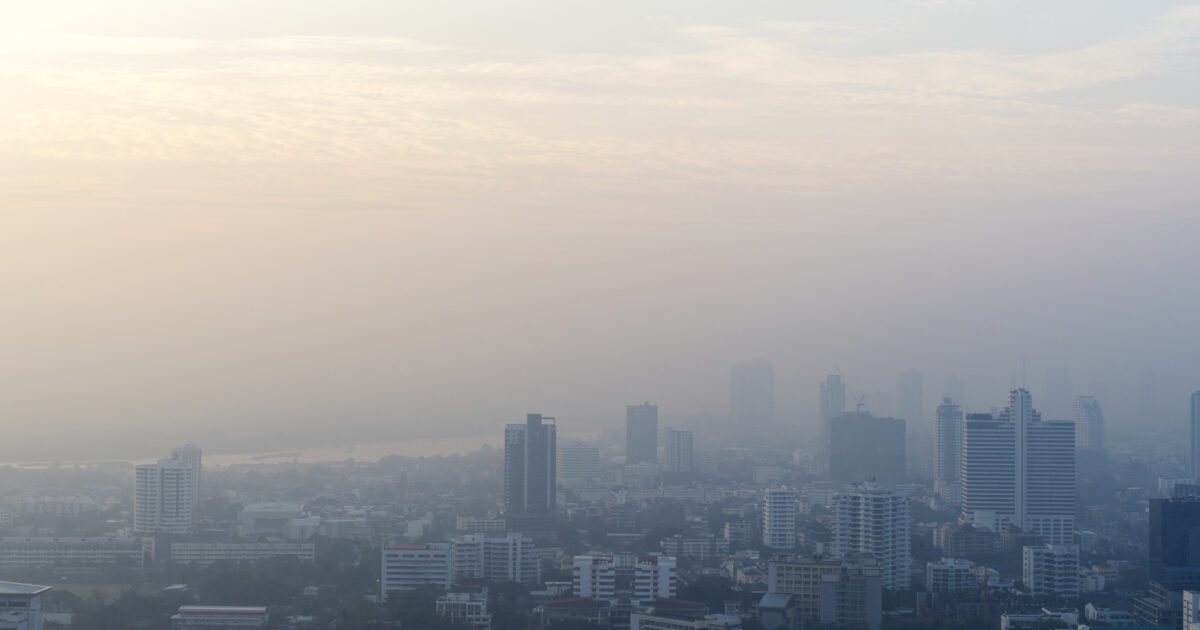
Delhi’s 24-hour average AQI climbed from 117 on 31 October to 387 at 0700 hours IST on 06 November, with the week’s readings ranging from 261 to 387. The 350 on 03 November was the worst reading in 287 days, according to the Risk Flash. Station-level readings were higher still, from 257 to 476 between 02 and 06 November, and on 06 November 22 monitoring sites were above 400, with the peak at Rohini (476).
| Date | Delhi AQI (24-hour average) | Category | Note |
| 31 Oct (Sat) | 117 | Moderate | Starting point |
| 01 Nov (Sun) | 261 | Poor | Winter curbs begin |
| 02 Nov (Mon) | 324 | Very Poor | Season’s first ‘Very Poor’ day; GRAP Stage II invoked |
| 03 Nov (Tue) | 350 | Very Poor | Worst reading in 287 days; 10 stations ‘Severe’ |
| 04 Nov (Wed) | 377 | Very Poor | 21 stations ‘Severe’; peak 452 at Punjabi Bagh |
| 05 Nov (Thu) | 369 | Very Poor | 18 stations ‘Severe’; peak 454 at Jahangirpuri |
| 06 Nov (Fri) | 387 (0700 IST) | Very Poor | 22 sites above 400; peak 476 at Rohini |
How do other NCR cities compare?
The report lists the range of readings recorded for 01–06 November: Delhi 324–387 (Very Poor), Noida 308–330 (Very Poor), Gurugram 322–324 (Very Poor), Greater Noida 255–267 (Poor), Ghaziabad 233–276 (Poor) and Faridabad 128 (Moderate, a single reading on 04 November). The AQI bands are Poor 201–300, Very Poor 301–400 and Severe 401–500.
Which GRAP restrictions are in force across Delhi-NCR?
The Commission for Air Quality Management (CAQM) invoked Stage II of the Graded Response Action Plan across the NCR on 02 November, citing unfavourable weather and forecasts, and Stage I measures continue. Stage II adds more intensive road sweeping and water sprinkling, stricter dust checks at construction sites, higher parking fees and more Metro, RRTS and CNG or electric bus services, staggered hours for government offices and municipal bodies in Delhi, Gurugram, Faridabad, Ghaziabad and Gautam Buddh Nagar, a ban on coal and firewood in hotels, restaurants and open eateries, and limits on diesel generator sets as a regular power source. A separate CAQM order restricts dust-generating construction across the NCR and caps physical office attendance at 50 percent in Delhi and five NCR districts from 05 to 20 November. Delhi’s own winter measures also continue, including 50 percent work from home to 31 January 2027, a ban on dust-generating outdoor construction, and a bar on non-BS-VI vehicles from outside Delhi. Since the report was written, news reports say CAQM invoked Stage III across the NCR on 06 November as a precaution, using forecasts under its revised framework. Check the current CAQM order for the exact Stage III measures.
What is the outlook for Diwali week?
The Air Quality Early Warning System forecasts that Delhi’s air is likely to turn ‘Severe’ from 06 November and stay so through Diwali on 08 November. The report expects AQI of roughly 370–450 on 07–10 November, peaking on 08–09 November because of firecracker emissions, calm winds and stubble smoke, with hotspot readings possibly above 450. It says improvement is likely only if north-westerly winds strengthen. The Supreme Court has permitted only green firecrackers, on 07 and 08 November, from 0600 to 0700 and 2000 to 2200 hours IST. The report says Stage III would bring a ban on non-essential construction, curbs on BS-III petrol and BS-IV diesel cars, hybrid classes up to Class V and 50 percent work from home across the NCR, with Stage IV possible above 450.
Which areas are worst affected?
In Delhi, the report names Rohini, Jahangirpuri, Punjabi Bagh, Mundka, IIT Delhi, R K Puram, Vivek Vihar, ITO, Burari Crossing and Najafgarh. In the wider NCR it names Noida (Sector 62 recorded 426 on 04 November), Gurugram, Ghaziabad including Loni, Greater Noida and Bahadurgarh.
What does it mean for businesses and commuters?
Work-from-home mandates, staggered hours and diesel generator restrictions will affect office, retail and facility operations, and construction and fit-out projects across the NCR face delays until at least 20 November. Border checks under the non-BS-VI entry ban, doubled parking charges and festive traffic are likely to cause congestion at the Gurugram, Noida and Ghaziabad borders, and morning smog may reduce visibility and delay road traffic and flights. On health, the report expects more cough, throat irritation, eye discomfort and breathing difficulty, particularly for people with asthma, COPD or heart conditions, children, older people and outdoor workers.
What should businesses and individuals do?
The Risk Flash advises organisations to comply with the 50 percent attendance cap in Delhi and in Gurugram, Faridabad, Sonipat, Ghaziabad and Gautam Buddh Nagar, and to keep contingency plans ready for GRAP Stage III or IV. Facility managers should run HEPA air purifiers in occupied areas, keep windows closed in the early morning and late evening, service HVAC filters and avoid relying on diesel generators. Logistics and project teams should reschedule dust-generating work. Employees, especially those with asthma, COPD or cardiac conditions, pregnant employees and older staff, should minimise outdoor exposure on 07–10 November, avoid outdoor exercise and early-morning walks, and wear well-fitted N95 masks outdoors. Commuters should use the Metro, RRTS and public transport, carry a valid PUC certificate, confirm that vehicles entering Delhi meet BS-VI, CNG or electric norms, and allow extra time for border checks. Everyone should observe the green-firecracker windows, avoid burning waste, and monitor the CPCB SAMEER app, CAQM orders and AQEWS forecasts daily.
Frequently asked questions
What was Delhi’s AQI on 06 November 2026?
Delhi’s 24-hour average AQI stood at 387 at 0700 hours IST on 06 November, in the ‘Very Poor’ band, with 22 monitoring sites above 400, according to the Risk Flash.
Is GRAP Stage III in force in Delhi-NCR?
The Risk Flash expected Stage III if AQI crossed or was forecast to cross 400. News reports say CAQM invoked it across the NCR on 06 November as a precautionary measure. Check CAQM’s current order, because stages can be revised or withdrawn quickly.
When can firecrackers be burst in Delhi on Diwali 2026?
The Supreme Court permits green firecrackers only on 07 and 08 November, between 0600 and 0700 hours and 2000 and 2200 hours IST.
What are the helplines?
National Emergency Response: 112; Police: 100; Fire: 101; Ambulance: 102 or 108; Delhi Traffic Police: 1095; disaster control rooms: 1077; DPCC pollution complaints: 155271.
Stay updated
This is a weekly summary of the 06 November Risk Flash, and air quality and GRAP stages can change within hours. Monitor the CPCB SAMEER app, the Green Delhi app and CAQM’s GRAP orders directly, and refer to datasurfr’s Risk Flash service for consolidated, business-focused updates.
Filed under: India-South AsiaRegional Risk Reviews