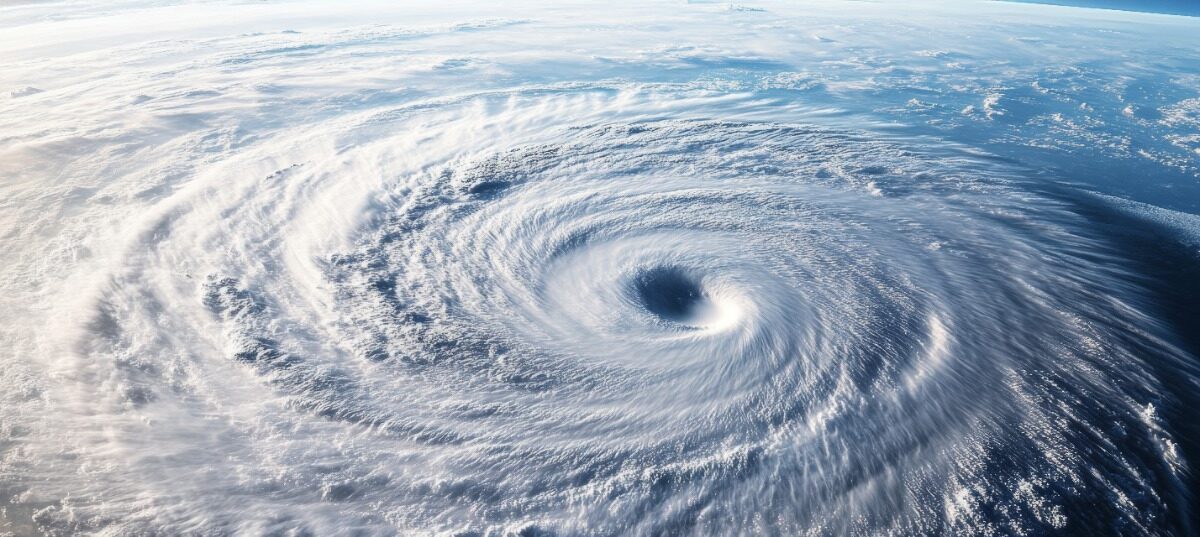
What is Cyclone Gezani 2026 and where is it now?
Tropical Cyclone Gezani formed in the southwest Indian Ocean and rapidly intensified to a Category 3 to Category 4 equivalent system before making landfall near Toamasina in eastern Madagascar on 10 February. It produced sustained winds of approximately 185 to 195 kilometres per hour, gusts of 260 to 270 kilometres per hour, and 100 to 150 millimetres of rain within 24 hours. By 12 February it had weakened to a moderate tropical storm or tropical disturbance after moving inland, with estimated sustained winds of about 45 kilometres per hour, and was located near the western coast of Madagascar or the northern Mozambique Channel. It continues to produce rainfall, flooding, thunderstorms and strong winds in parts of southern Africa, including Zambia, while damage assessments are ongoing in Madagascar.
Which areas in Madagascar are most affected?
At least 31 fatalities have been recorded, mainly from building collapses, alongside at least 19 injuries and more than 1,500 displaced people, and thousands of houses, schools and health facilities were reported damaged or destroyed. Authorities have also flagged rising food-security risks following the recent impacts of Tropical Cyclone Fytia. Red-level warnings were in effect for areas facing imminent risk, including the Atsinanana and Analanjirofo regions, and flooding, flash flooding and landslides were reported in Toamasina, the main port city, and across Atsinanana, Analanjirofo, Alaotra Mangoro and the surrounding eastern coastal and low-lying areas. Toamasina Port is expected to remain closed for three to five days because of storm surges and debris, with container handling and vessel berthing suspended. Power outages of 48 to 72 hours are expected in Atsinanana and Analanjirofo because of flooded substations and damaged power lines, and National Road 2 between Toamasina and Antananarivo is expected to stay closed after landslides and roughly 150 millimetres of rainfall.
What about Mozambique and the Mozambique Channel?
The system, weakened to a tropical disturbance after crossing Madagascar, is expected to drift west-northwest at 10 to 15 kilometres per hour before entering the Mozambique Channel, where sea surface temperatures of around 30 degrees Celsius are expected to support re-intensification. Most numerical models do not expect landfall in the initial phase, instead curving the system southward over open waters. By 13 February sustained winds are forecast to rise from about 45 to between 65 and 85 kilometres per hour, and by 15 February to about 120 to 150 kilometres per hour, equivalent to Category 1 to Category 2 hurricane intensity, with gusts of up to 180 kilometres per hour. Vilanculos Airport and fisheries in Inhambane Province are expected to suspend operations by 15 February because of winds of up to 120 kilometres per hour and storm surges of up to one metre. The system is then expected to weaken over cooler waters or near the periphery of land by 16 February and fall to a tropical depression by 17 February.
What are the business continuity risks?
Cyclone Gezani 2026 is primarily a supply chain, power and mobility risk. With Toamasina, the main port city, closed to container handling and vessel berthing, cargo movements, shipping schedules and inland distribution face delays, and the closure of National Road 2 cuts the main route between the port and Antananarivo. Manufacturers and logistics operators in Atsinanana and Analanjirofo face 48 to 72 hours without grid power, which threatens cold-chain integrity and production continuity. Flooded low-lying areas and landslide-prone roads constrain staff and emergency-vehicle movement, while thousands of damaged homes, schools and health facilities add humanitarian and workforce-availability pressure. In Inhambane Province, airport and fisheries suspensions can disrupt travel and seafood supply, and food security is already under strain after Cyclone Fytia.
What should organisations and individuals do to prepare?
Port operators and shipping agents in Toamasina should reschedule vessel arrivals and cargo movements until port operations are restored, while logistics and manufacturing operators in Atsinanana and Analanjirofo should activate contingency power and cold-chain arrangements to limit disruption during the forecast outages. Individuals in Toamasina, Atsinanana and Analanjirofo should secure essential supplies, limit non-essential travel during periods of heavy rainfall and follow guidance issued by local authorities. Travellers to eastern Madagascar and Inhambane Province should monitor airport and road status updates, confirm transport arrangements in advance, and expect delays or cancellations through 15 February. Check the National Office for Risk and Disaster Management (BNGRC) website for local cyclone bulletins and advisories, and monitor Meteo Madagascar forecasts for updated severe weather warnings and cyclone tracking.
Frequently asked questions
When did Cyclone Gezani make landfall?
Tropical Cyclone Gezani made landfall near Toamasina in eastern Madagascar on 10 February 2026 as a Category 3 to Category 4 equivalent system, weakening inland to a tropical disturbance by 12 February.
Are there port, road and airport closures because of Cyclone Gezani?
Yes. Toamasina Port is expected to remain closed for three to five days, National Road 2 between Toamasina and Antananarivo is expected to stay closed, and Vilanculos Airport in Inhambane Province, Mozambique, is expected to suspend operations by 15 February.
What are the emergency contact numbers for Madagascar and Mozambique?
Madagascar: Police 117, Ambulance 124, Fire brigade 118. Mozambique: Police 119, Ambulance 117, Fire brigade 198. For cyclone bulletins, check BNGRC (bngrc.gov.mg) and Meteo Madagascar (meteomadagascar.mg).
Download the full Risk Flash now
datasurfr’s Risk Flash on Tropical Cyclone Gezani carries the complete situational update, the forecast track map, and an emergency contacts directory. Download the full Risk Flash now to brief your logistics and continuity teams.
Filed under: EMEARegional Risk Reviews