What happened in the Bangladesh General Election 2026?
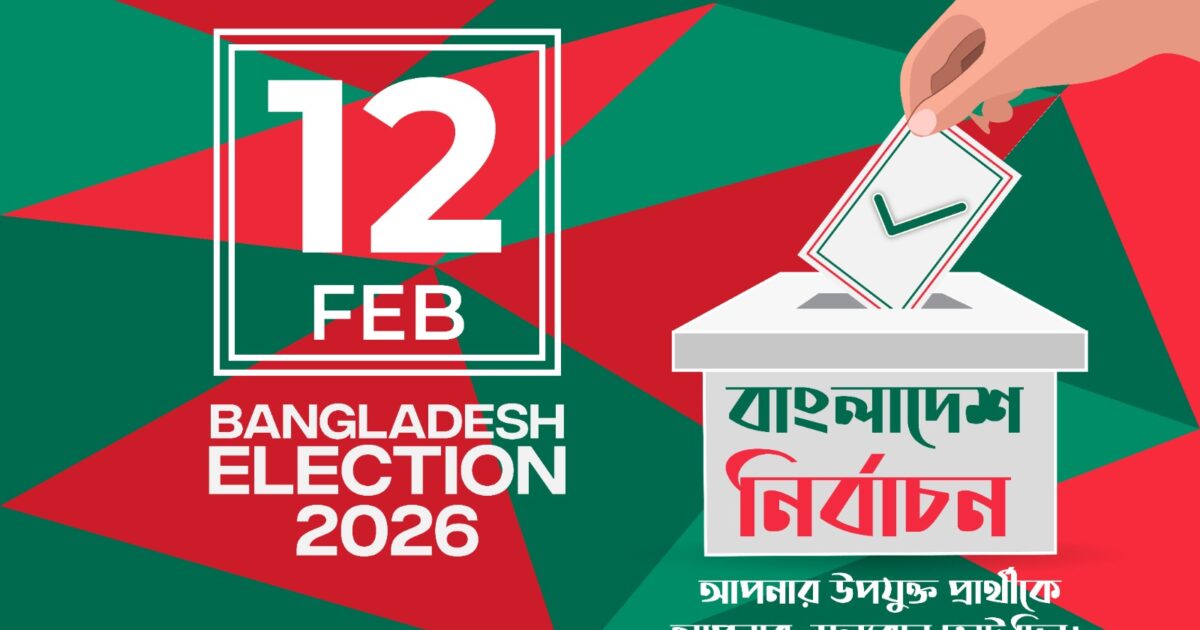
The election held on 12 February 2026 restored constitutional governance following the interim administration led by Nobel laureate Muhammad Yunus. The BNP, led by Tarique Rahman, won a decisive supermajority in the Jatiya Sangsad, taking 209 of 299 directly elected seats, and Rahman was inaugurated as Prime Minister on 17 February 2026. The Awami League remained ineligible to contest due to ongoing judicial proceedings linked to the 2024 civil unrest, which reshaped the political landscape: Jamaat-e-Islami won 68 seats to become the primary opposition bloc, while the newly formed National Citizen Party, representing the 2024 student-led reformist movement, secured 6 seats. A concurrent national referendum on the “July National Charter” passed with 60 percent approval, mandating prime ministerial term limits and a transition to a bicameral legislature intended to prevent future democratic backsliding.
Who is in Bangladesh’s new cabinet?
Tarique Rahman retains the Cabinet Division, Ministry of Defence, Ministry of Public Administration and the Armed Forces Division directly, alongside a total of 25 cabinet ministers and 24 ministers of state. Senior appointments include Mirza Fakhrul Islam Alamgir (Local Government, Rural Development and Cooperatives), Amir Khasru Mahmud Chowdhury (Finance and Planning), Salahuddin Ahmed (Home Affairs) and technocrat Dr. Khalilur Rahman as Foreign Affairs Minister. The broader cabinet spans portfolios from Commerce and Industries to Liberation War Affairs, Health and Family Welfare, and Environment, reflecting both BNP loyalists and technocratic appointments.
What is the new government’s domestic policy agenda?
The incoming administration has signalled priorities around political reconciliation and transitional justice for divisions stemming from the 2024 unrest, economic stabilisation focused on manufacturing, export-led growth and job creation in textiles and agro-processing, and governance reforms to the election commission, judiciary and anti-corruption agencies. A 180-day stabilisation framework covers security-sector restructuring, municipal governance and urban service reform, consumer price control during sensitive periods such as Ramadan, agricultural empowerment, uninterrupted electricity and gas supply, and initiatives to restore investor confidence and ease business bottlenecks.
How will Bangladesh balance relations with India, the US, China and Pakistan?
Dhaka’s new government must navigate a complex triangular diplomatic environment. India is expected to prioritise stability, border management and trade continuity through an engagement-first approach, though the extradition of former PM Sheikh Hasina, the Teesta Water Sharing Agreement and border fencing remain sensitive. The United States will emphasise democratic norms and human rights while pursuing cautious re-engagement, and China is expected to deepen economic ties through infrastructure financing and concessional loans while maintaining a non-interference posture. Pakistan is likely to adopt a measured, transactional approach focused on routine bilateral channels and modest trade facilitation, avoiding high-visibility political alignment that could complicate Dhaka’s ties with India and China.
What does the election mean for businesses and investors?
The BNP’s decisive mandate grants substantial political capital to address institutional fragility and economic volatility, but the government’s credibility will be judged on its 180-day action plan, particularly fiscal stabilisation and rule-of-law restoration. Meaningful structural reforms are essential to fostering investor confidence, and the administration’s ability to calibrate relations between India, the US and China without compromising sovereignty will shape how much of Bangladesh’s industrial potential and competitive labour market translates into realised investment over the coming years.
Frequently asked questions
Who won the Bangladesh General Election 2026?
The Bangladesh Nationalist Party (BNP), led by Tarique Rahman, won a supermajority of 209 of 299 directly elected seats and formed the new government.
When was Tarique Rahman sworn in as Prime Minister?
Tarique Rahman was inaugurated as Prime Minister of Bangladesh on 17 February 2026.
Why did the Awami League not contest the 2026 election?
The Awami League remained ineligible to participate due to ongoing judicial proceedings related to the 2024 civil unrest.
What is the July National Charter?
It is a national referendum-approved charter, passed with 60 percent support, mandating prime ministerial term limits and a transition to a bicameral legislature.
Download the full report now
MitKat’s Special Report on the Bangladesh General Elections 2026 carries the complete cabinet list, sector-by-sector domestic policy agenda, and a detailed assessment of Dhaka’s foreign policy positioning toward India, the US, China and Pakistan. Download the full report now to brief your government-affairs and market-entry teams
Filed under: APACThreat Intelligence Special Reports