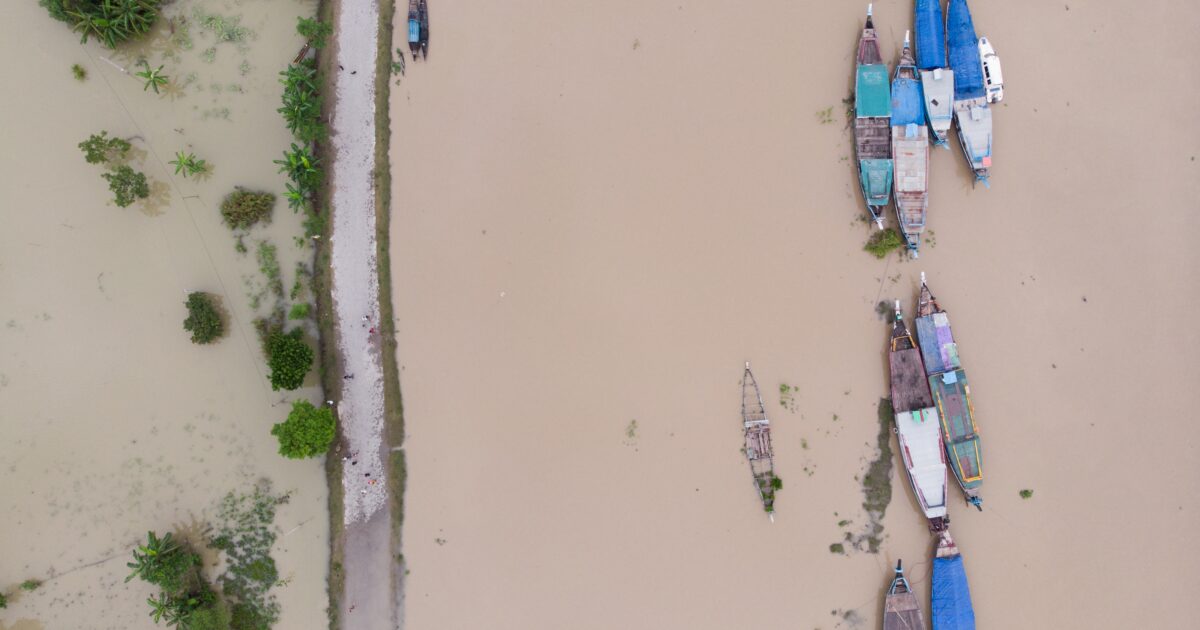
What is the current flood situation in Bangladesh?
As of 15 July 2026, flooding has affected more than 1.1 million people across seven districts, with 56 deaths, 39 injuries and one person missing reported in the advisory. Cox’s Bazar recorded 31 deaths, followed by Chattogram with 15, Bandarban with six, Rangamati with three and Moulvibazar with one.
The government has deployed the military and Border Guard Bangladesh to support relief operations in remote areas. Emergency assistance includes food, drinking water, medical supplies and materials for riverbank protection.
While water levels in parts of the Surma–Kushiyara river system have declined, several river monitoring stations remain above danger levels. The Teesta River has also inundated low-lying areas in Nilphamari, prompting preparations for further flooding.
Which areas in Bangladesh are most affected by flooding?
The impact varies by region, with southern districts experiencing severe infrastructure damage while northern areas face renewed flood risks.
- Cox’s Bazar: Flooding across Chakaria, Pekua, Ramu, Eidgaon and surrounding areas; embankment breaches and electricity disruptions have been reported.
- Chattogram: Flooding has damaged village roads and disrupted rail services, including the Dhaka–Cox’s Bazar railway. Anwara and nearby areas have experienced power infrastructure damage.
- Bandarban and Rangamati: Floodwaters have submerged roads and restricted movement, particularly across hill districts and rural communities.
- Sylhet, Sunamganj and Moulvibazar: Low-lying areas remain exposed to flooding, with landslide risks in parts of the region.
- Northern Bangladesh: Nilphamari, Lalmonirhat, Rangpur, Kurigram and Gaibandha face risks associated with rising river levels, flooding or river erosion.
Businesses should monitor local conditions rather than assume that improving conditions in one district indicate a wider recovery.
How could Bangladesh floods July 2026 affect businesses and supply chains?
Flooding may disrupt the movement of goods, personnel and essential materials. Damaged roads and waterlogging around transport corridors could delay trucking and increase logistics costs. Rail disruptions may further constrain the movement of passengers and cargo.
A key concern is the movement of imported raw materials from Chattogram Port to manufacturing hubs in Dhaka, Gazipur and Narayanganj. If access routes remain affected, manufacturers may face delayed deliveries and pressure to adjust production schedules.
Power outages caused by submerged transformers and damaged distribution lines could also interrupt operations in affected industrial areas. Urban flooding in Dhaka and Chattogram may affect employee commutes, commercial premises and routine business activities.
These overlapping risks make logistics flexibility, utility resilience and alternative sourcing or storage arrangements important considerations for exposed organisations.
How should organisations prepare for flooding in Bangladesh?
Businesses should review continuity plans against both immediate flooding and the possibility of renewed inundation in northern districts.
- Review travel and commuting: Defer non-essential travel to heavily affected areas and coordinate safe routes with local authorities for essential staff.
- Diversify logistics: Identify alternative transport routes and inland storage options if key coastal warehouses or road corridors become inaccessible.
- Protect critical infrastructure: Elevate backup generators, electrical equipment and other essential machinery above anticipated flood levels.
- Maintain operational resilience: Prepare backup power and communications, secure digital copies of critical documents, and consider shifting essential workflows to safer locations.
- Strengthen inventory planning: Maintain buffer stocks of critical raw materials at facilities less exposed to flooding and transport interruptions.
- Monitor official warnings: Track updates from the Bangladesh Meteorological Department and Flood Forecasting and Warning Centre, particularly for the Teesta, Surma–Kushiyara and other flood-prone river systems.
The Bangladesh floods July 2026 situation remains dynamic, making regular reassessment of routes, workforce safety and operational dependencies essential.
FAQs
1. Which areas are most affected by the July 2026 floods in Bangladesh?
Cox’s Bazar, Chattogram, Bandarban and Rangamati have experienced severe impacts, while Sylhet, Sunamganj, Moulvibazar and northern districts remain exposed to flooding, landslides or rising river levels.
2. How could the floods affect manufacturing and logistics?
Flooded roads, rail disruptions and port-access constraints may delay raw material deliveries, increase transport costs and interrupt production. Power outages may further affect facilities in impacted areas.
3. What should businesses do to reduce flood-related disruption?
Organisations should review travel plans, identify alternative logistics routes, protect electrical equipment, maintain backup power, diversify inventory storage and monitor official weather and flood warnings.
Download the full advisory now
Download the full MitKat Special Advisory for detailed information on affected districts, river forecasts, infrastructure impacts and recommended business continuity measures.
Filed under: India-South AsiaThreat Intelligence Special Reports