KEY TAKEAWAYS:
- A 25-hour continuous eruption at Anak Krakatau (04–06 September 2026) shut Jakarta’s Soekarno-Hatta gateway for roughly two days, grounding 2,961 flights and stranding some 341,000 passengers across eight Indonesian airports, with ashfall confirmed across Tangerang, Jakarta, Banten, West Java, Lampung, Bengkulu and West Sumatra.
- The eruption landed on top of a separate fire-and-haze emergency that had been building since May, which has burned roughly 286,000 hectares nationwide and pushed air quality to emergency thresholds in Sarawak (API 521), Singapore (its first Unhealthy PSI reading since 2023) and parts of Brunei and the Philippines.
- No deaths or injuries were linked to the eruption itself, but two firefighting volunteers died from breathing difficulties in Central Kalimantan, and over 50,000 haze-linked respiratory cases have been recorded in Indonesia alone.
- PVMBG holds the volcano at Alert Level III and assesses further eruptions as highly likely, while forecasters warn of intensifying El Niño conditions into November — the same pattern behind the severe 1997 and 2015 haze seasons.
- Businesses with people, freight or facilities anywhere between Jakarta, Sumatra, Kalimantan, Singapore and Malaysia should plan for both hazards remaining active for weeks, not days.
Anak Krakatau’s eruption in the Sunda Strait shut down Indonesia’s principal air gateway for close to two days, while a separate haze emergency four months in the making pushed air quality to crisis levels across Borneo, Singapore and the southern Philippines. Here is what happened, who was affected, and how organisations should plan for both hazards continuing into the coming weeks.
What happened in the Anak Krakatau eruption and Karhutla haze crisis of 2026?
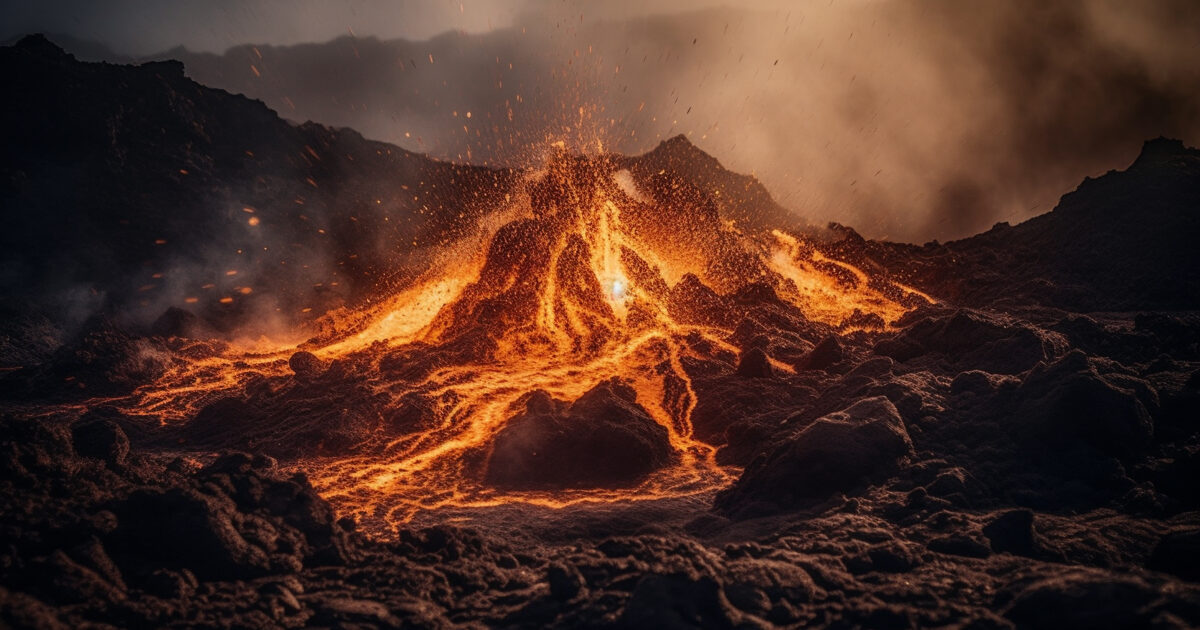
Anak Krakatau was raised to Alert Level III (Siaga) on 2 July 2026, with a 3 km crater exclusion zone imposed. A continuous eruption phase began at 23:07 on 4 September, producing Strombolian-to-Vulcanian activity with detonations audible up to 700 km away; the ash column reached roughly 15,000 m over Sumatra and 6,000 m over Java. The continuous phase ended after approximately 25 hours, though further explosions continued through 6–7 September and the alert level was held at III, with PVMBG assessing further eruptions as highly likely. This landed on top of a fire-and-haze emergency that had been escalating since a Central Kalimantan emergency declaration on 26 May, driven by palm-oil and timber-concession land clearing, drained peat, and an intensifying El Niño that suppressed the normal wet season.
Which airports and travel routes were affected by the Anak Krakatau eruption?
Soekarno-Hatta (Jakarta), Halim Perdanakusuma, Husein Sastranegara and five other airports suspended operations as ash drifted south-east to south at lower altitudes and south-west to north-west at higher altitudes, directly affecting the approach corridors into Java’s western airports. By 7 September the cumulative toll reached 2,961 flights grounded and roughly 341,000 passengers stranded, with the Transport Ministry guaranteeing full ticket refunds. Kertajati, Ahmad Yani and Juanda were designated alternates but sit 130–650 km away and could not absorb Jakarta’s throughput. Six of eight affected airports had reopened by early 8 September; a 3 km maritime exclusion zone was also enforced in the Sunda Strait, though the critical Merak–Bakauheni ferry corridor linking Java and Sumatra stayed open throughout.
Which countries and regions were hit by the transboundary haze?
Roughly 286,000 hectares burned nationwide in Indonesia from January to late August 2026, concentrated in Central and West Kalimantan, releasing an estimated 46 million tonnes of CO2 in August and early September alone. The haze crossed borders: Sarawak’s API peaked at 521 in Serian, well above the 500 emergency threshold, prompting a district emergency and the closure of 647 schools; Singapore recorded its first Unhealthy 24-hour PSI reading since October 2023; and Brunei and parts of the Philippines also reported acutely unhealthy air quality. Regional bodies including ASEAN’s haze task force and Singapore’s NEA activated cross-border monitoring and advisories in response.
What are the health and safety risks from ashfall and haze?
No deaths or injuries were attributed to the eruption itself, as the nearest settlements lie over 16 km from the crater, though two firefighting volunteers died from breathing difficulties in Central Kalimantan. Indonesia recorded 50,891 haze-linked acute respiratory infection cases in July–August, with roughly 5.5 million people directly smoke-exposed across Borneo and Sumatra. Malaysia’s Ministry of Health reported asthma presentations up 259% and upper-respiratory infections up 124% week-on-week in late August. Volcanic ash is abrasive and mildly acidic, posing risks to eyes, water supplies and machinery, while haze-level PM2.5 is a cardiovascular as much as a respiratory hazard — authorities advise acting on official air-quality indices rather than visible smoke or visibility alone.
What are the business continuity risks?
The eruption’s commercial impact concentrated almost entirely in aviation and air freight, with Indonesian carriers losing an estimated Rp 19 billion (about US$1.1 million) a day and belly-hold freight capacity disrupted for time-definite and cold-chain shipments. Plantation and commodity operations, manufacturing near the ashfall zone, and workforce attendance were also significantly affected, while maritime and tourism impacts were more moderate. Total direct losses from the 2026 fire season alone have been estimated at around Rp 54 trillion. The underlying risk is structural rather than one-off: with roughly 74% of Kalimantan’s fire hotspots sitting inside palm-oil and timber concessions and clearing by fire far cheaper than mechanical clearing, the incentive to burn recurs each season, and PVMBG’s continued high-alert status means a repeat eruption remains a live possibility into November.
What should organisations and individuals do to prepare?
Organisations with people, freight or facilities across Jakarta, Sumatra, Kalimantan, Singapore or Malaysia should map single-node dependencies such as Jakarta’s airport or the Merak–Bakauheni crossing, pre-agree alternate routing, and stock respiratory PPE with at least a four-week buffer. Index-based trigger thresholds for outdoor work, remote work and site closure should be published in advance rather than decided during an event, and insurance wording should be checked for ash, pollution and haze exclusions. Individuals in affected regions should track official air-quality indices daily, keep a 72-hour emergency kit, and avoid non-essential travel through ashfall or haze-affected areas until conditions clear.
Frequently asked questions
When did the Anak Krakatau eruption happen?
The continuous eruption phase began at 23:07 on 4 September 2026 and lasted approximately 25 hours, though further explosions and ash advisories continued through 6–7 September.
How many flights were affected?
2,961 flights were grounded across eight airports and roughly 341,000 passengers were stranded, with Jakarta’s Soekarno-Hatta airport closed for close to two days.
Is the haze crisis linked to the eruption?
No — the two hazards are unrelated but overlapped in the same week. The fire-and-haze emergency had been escalating since May 2026, while the eruption was a separate, shorter volcanic event.
Could there be further eruptions or worse haze?
PVMBG assesses further Anak Krakatau eruptions as highly likely, and forecasters expect intensifying El Niño conditions into November — the same pattern associated with the severe 1997 and 2015 regional haze seasons.
Download the full report now
datasurfr’s Post-Incident Report on the Anak Krakatau eruption and the 2026 Karhutla haze crisis, powered by MitKat Advisory Services, carries the full reconstructed chronology, health and environmental impact data, sector-by-sector business exposure, a three-phase continuity checklist and scenario planning to 30 November. Download the full report now to brief your risk, continuity and travel-security teams.
Filed under: APACThreat Intelligence Special Reports