
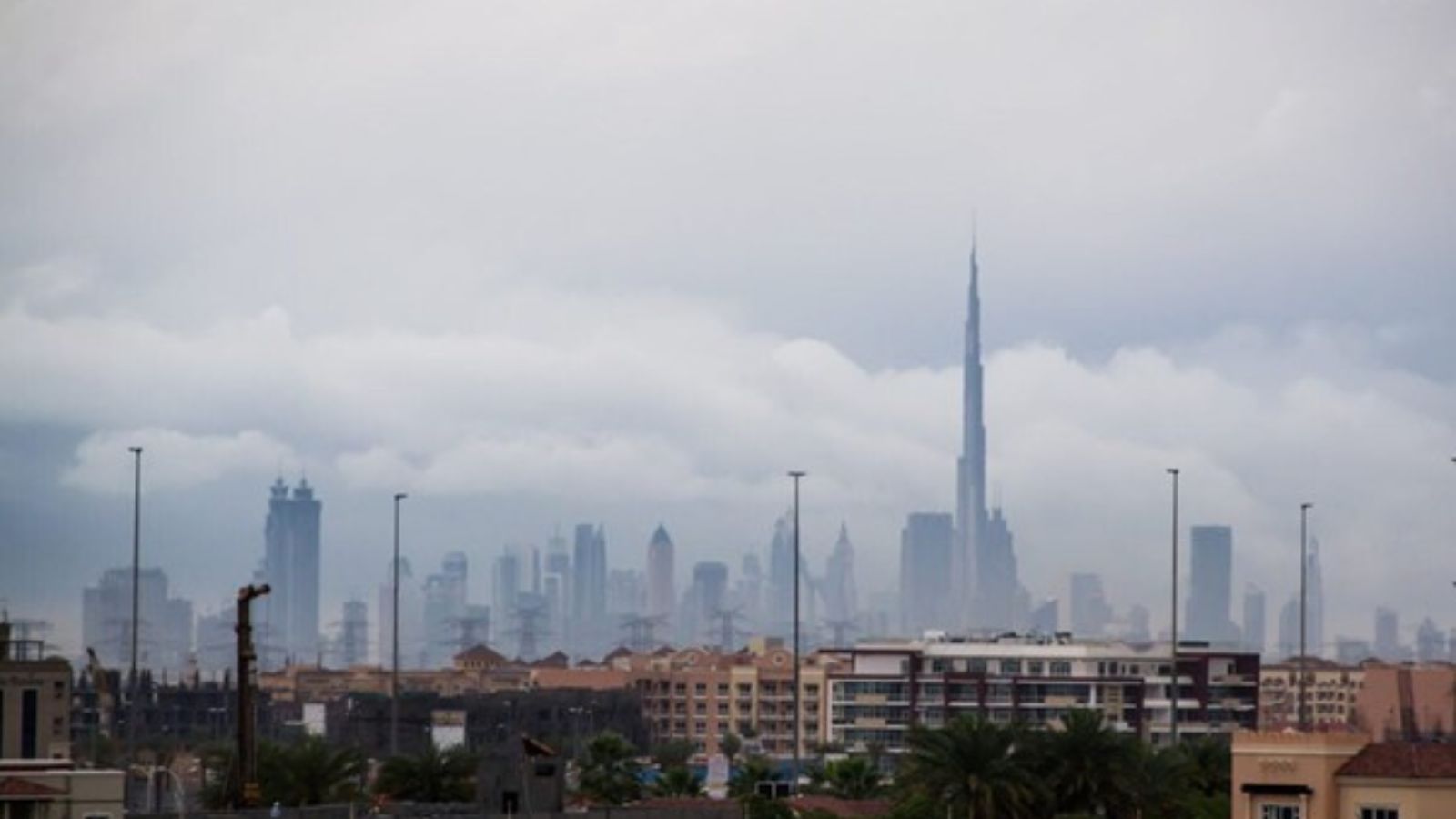
Executive Summary for the Weather Advisory Across UAE
Weather advisories indicate dense early-morning fog followed by dusty and hot daytime conditions across the UAE on 17 February. Peak disruption risk is expected during commute hours due to reduced visibility, with secondary impacts from dust and elevated temperatures affecting outdoor workforce safety and logistics operations. Severity is moderate and localized, with limited risk of long-term infrastructure damage.
- Event Date: 17 February
- Location: Abu Dhabi, Dubai, Sharjah, United Arab Emirates
- Risk Category: Environment
- Severity Level: 3 / 5
- Confidence Score: 75 %
Operational Context
Weather patterns across the UAE periodically produce sequential hazards where early morning radiational fog transitions into daytime dust and rising temperatures. Based on historical precedent, fog typically forms between 0200–1000 hours, affecting coastal and low-lying corridors before clearing into hazy, hot afternoon conditions. Such events primarily disrupt road transport and aviation during low-visibility windows, followed by occupational health risks linked to heat stress and degraded air quality. While infrastructure damage is uncommon, visibility-related traffic incidents and airport delays are recurrent operational concerns. Businesses dependent on commuter mobility, outdoor labour, and time-sensitive logistics are most exposed.
Known Hotspots & Sensitive Zones
- High Impact Zones: Sheikh Zayed Road (E11), Dubai–Sharjah corridor (E11/E311), Emirates Road (E611), Dubai–Al Ain Road (E66), and airport zones near Dubai International, Abu Dhabi International, and Sharjah Airport. Industrial zones such as Jebel Ali Free Zone, Mussafah, and Sharjah Industrial Area are sensitive to dust and heat exposure.
- Medium Impact Zones: Coastal and inland low-lying districts prone to fog formation during pre-dawn hours.
- Low Impact Zones: Residential and commercial indoor environments with climate-controlled facilities.
Recurring patterns during previous fog events show increased collision rates and temporary flight holds during early-morning hours.
Impact on Transportation & Services
Road transport faces the highest disruption risk between 0200–1000 hours due to reduced visibility, potentially leading to traffic slowdowns, minor collisions, and congestion. Aviation operations may implement low-visibility procedures, resulting in flight delays or brief holding patterns. Public transport services may operate with reduced speed. Afternoon dust and high temperatures could delay outdoor logistics, compress freight schedules, and increase occupational health monitoring requirements. Utilities and digital infrastructure are expected to remain stable, though emergency services may experience increased call volumes.
Recommended Action
- Organizations should activate a short-term weather risk management protocol from early morning on 17 February.
- Enforce defensive driving advisories and adjust delivery windows outside peak fog hours.
- Provide hydration guidance, mandatory rest intervals, and dust-protection masks for outdoor staff.
- Facilities should secure ventilation systems against dust ingress and monitor particulate levels.
- Liaise with the National Centre of Meteorology and local traffic authorities for real-time updates.
- Maintain contingency flight and freight planning where applicable.
Multi-Dimensional Impact
Concurrent congestion on major corridors or overlapping large-scale events could magnify transport delays. Health-related absenteeism may increase among outdoor workers exposed to heat and dust.
Emergency Contacts
- Emergency Number: 999
- National Centre of Meteorology: ncm.gov.ae/?lang=en
Situational Outlook
The most probable scenario involves dense fog during early-morning hours followed by gradual clearing and moderate dust with elevated afternoon temperatures. Transport disruption is expected to be temporary, with manageable flight delays and slowed road traffic recovering by late morning. A moderate escalation could occur if fog persists beyond 1000 hours or dust concentrations intensify, leading to extended commute disruption and selective flight diversions. Severe escalation remains unlikely but would involve major multi-vehicle incidents or sustained airport delays. Overall, the event is forecast to remain short-lived, with operational normalization expected within 24–36 hours.
Strategic Takeaway
The 17 February weather advisory presents a moderate environmental and travel disruption risk across the UAE. Proactive transport planning, workforce protection measures, and real-time monitoring will reduce safety and business continuity impacts. Organizations should integrate early warning systems and situational awareness platforms such as MitKat’s Datasurfr to support timely decision-making during multi-hazard weather events.
Stay ahead of operational risks with real-time alerts, scenario modeling, and expert advisories with datasurfr’s Predict. Start your 14-day free trial of Datasurfr’s Risk Intelligence Platform today.
Share on WhatsApp